Beyond the Arena: How Esports Is Redefining Competition, Community, and Culture

Introduction: The Rise of a Digital Sporting Powerhouse
Over the past decade, esports has transformed from a niche hobby enjoyed by small groups of dedicated gamers into a global entertainment and sporting phenomenon. Arena-filling tournaments, million-dollar prize pools, celebrity-level players, and audiences numbering in the millions have established competitive gaming as a legitimate force in modern culture. The world now recognizes esports as more than a pastime; it is a thriving ecosystem that blends athletic discipline, strategic thinking, and media entertainment in ways traditional sports never imagined. But behind the flashing screens and roaring crowds lies a deeper story—one of innovation, community, and an evolving digital identity that is reshaping how we understand competition.
The Foundations of Esports: Skill, Strategy, and Speed
At its core, esports is about mastery. It requires remarkable levels of coordination, quick decision-making, and deep game knowledge. Professional players train rigorously, dedicating countless hours to perfecting mechanics, analyzing strategies, and collaborating with teammates. The misconception that competitive gaming is simply “playing for fun” fades quickly when you examine the dedication involved.
Players often train six to ten hours a day, reviewing gameplay footage, participating in team scrims, and working with coaches who help refine tactics. Some teams even employ sports psychologists and nutritionists to optimize player performance. The discipline mirrors traditional sports, proving that mental acuity can be just as demanding as physical strength. The speed and precision required during high-level matches elevate esports to a realm where milliseconds matter and decisions can define a career.
The Global Expansion of Competitive Gaming
Esports has become a world-spanning network connecting players and fans across continents. Countries like South Korea, China, the United States, and various European nations have become hotspots for competitive gaming. South Korea in particular is often considered the birthplace of modern esports, having embraced professional StarCraft competitions as early as the 1990s.
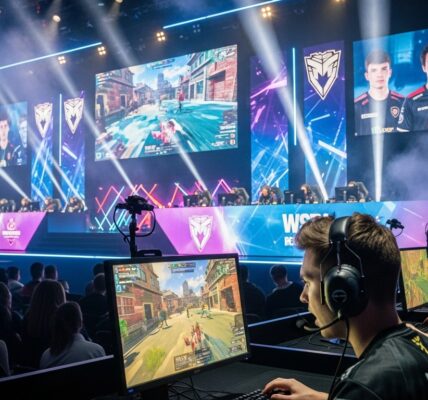
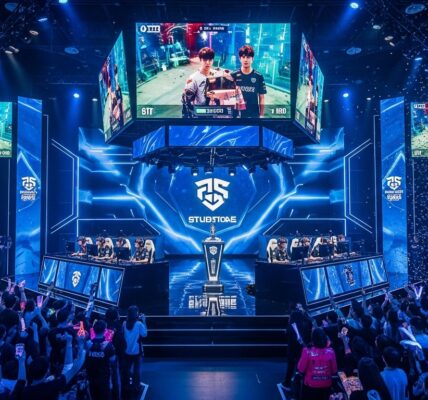
Today, stadiums once dedicated to basketball or concerts now host esports championships. Tens of thousands of fans attend these events, cheering for their favorite teams with a passion equal to that seen in traditional sports. Online viewership is even more staggering, with major tournaments drawing audiences that rival the largest televised sporting events. This global connectivity has fostered an environment where players from diverse backgrounds can compete on equal footing, united through virtual arenas no matter where they come from.
The Role of Technology in Fueling Esports Growth
Advancements in technology have been essential to the rise of esports. High-speed internet, cutting-edge gaming hardware, and sophisticated streaming platforms have elevated the industry to new heights. What once required a LAN party or physical gathering can now happen virtually, allowing millions to play and watch anytime, anywhere.
Streaming transformed esports into a truly global spectacle. Fans can follow their favorite players and tournaments in real time, listen to expert commentary, and engage with communities built around shared passion. These platforms have also opened doors for aspiring players, as they can build followings and refine their skills while being discovered by professional teams. The connection between technology and esports is not merely supportive; it is intertwined, driving innovation while shaping how digital entertainment is consumed.
The Rise of Esports Athletes and Their Cultural Influence
Professional esports athletes are more than players; they are influencers, entertainers, and cultural icons. Their personalities, playstyles, and stories captivate audiences worldwide. Many rise from humble beginnings, driven by passion, skill, and relentless commitment. Their authenticity resonates with fans in ways traditional celebrities often cannot replicate.
Esports athletes maintain active social presences, creating content, engaging with fans, and building distinctive identities. This blend of competition and personality elevates them beyond the game, creating narratives that span seasons and rivalries. Young audiences, in particular, look up to these players, viewing them as proof that careers can be forged from digital passions.
As sponsorship deals, merchandise lines, and media appearances grow, esports athletes continue to shape the broader culture surrounding gaming. Their influence extends far beyond tournaments, touching fashion, music, technology, and even education. Universities now offer scholarships for esports athletes, recognizing their discipline and competitive excellence.
Community: The Heart of Esports
While esports tournaments generate excitement, the heart of the industry lies within its communities. These communities form around games, teams, content creators, and shared experiences. They exist in online forums, streaming chats, fan meetups, tournaments, and even classroom clubs. The sense of belonging is powerful, creating lifelong friendships and connections that transcend geography.
Esports communities are diverse and vibrant. Some fans immerse themselves in analyzing strategies, while others focus on the entertainment side of streaming and personality-driven content. Many participate in amateur tournaments, seeking their own competitive thrills. This wide spectrum of engagement ensures that esports remains accessible to different types of enthusiasts, not only those who aspire to go pro.
The community-driven aspect of esports makes it resilient. Trends may shift and games may change, but the passion of the players and fans remains a constant foundation. This adaptability ensures that esports will continue evolving, supporting new generations of gamers and expanding into new genres and formats.
The Business Boom: A Billion-Dollar Industry in Motion
Esports is not just culturally significant; it is a booming global industry. Revenue streams include sponsorships, advertising, team branding, merchandise, media rights, tournaments, and digital goods. Major corporations recognize the marketing potential of esports, aiming to reach younger, digitally savvy audiences.
Franchised leagues mirror traditional sports structures, complete with team ownership, official seasons, drafts, and revenue-sharing models. Cities compete for the chance to host esports events, recognizing the economic impact of filling hotels, restaurants, and local businesses with fans.
The rapid growth of the esports economy has also created new career opportunities beyond playing professionally. Roles such as broadcasting, event management, coaching, graphic design, video editing, and analytics have become integral to the industry. As esports grows, so does the demand for skilled professionals supporting its expanding ecosystem.
Esports in Education: Skills Beyond the Screen
Educational institutions are increasingly embracing esports. Schools and universities establish dedicated esports programs, not only to foster competitive teams but also to teach valuable skills applicable beyond gaming. Students learn teamwork, communication, problem-solving, leadership, and time management—competencies essential in the modern world.
Esports education also intersects with fields such as coding, game design, marketing, and broadcasting. These programs prepare students for diverse career paths, showing that esports is more than playing games; it is a gateway into the broader digital economy. With structured esports curricula and scholarships, the line between entertainment and education is becoming more interconnected.
Challenges Facing the Esports Landscape
Despite rapid growth, esports faces challenges that must be navigated to ensure long-term stability. Player burnout is a significant concern, as the pressure to perform at a high level can take a toll on mental and physical health. Establishing standardized regulations, better scheduling, and player support systems are crucial for sustainability.
Another challenge lies in maintaining competitive integrity. Issues such as cheating, match-fixing, and unregulated betting require strong oversight to protect the sport’s reputation. Additionally, as esports becomes more commercially driven, balancing authenticity with corporate influence is essential to retain community trust.
Inclusivity is another vital issue. While esports has made strides in welcoming diverse players, there is still work to be done to ensure equal representation and safe environments for all participants. These challenges, though significant, are opportunities for esports to mature and strengthen its foundations.
The Future of Esports: Boundless Potential and Innovation
Esports is still young compared to traditional sports, and its future is filled with possibility. Emerging technologies like virtual reality, augmented reality, and AI-driven analytics are poised to transform the competitive experience. Games will evolve, audiences will expand, and the boundaries between digital and physical realms will blur even further.
Esports may become a staple in schools, a fixture in global sporting events, and a common pathway for digital careers. As generations grow up immersed in gaming culture, esports will continue becoming a normalized and respected part of society.
The fusion of technology, entertainment, and competition ensures that esports will remain dynamic and continuously evolving. Its future will be shaped not only by developers and teams but by the passionate players and communities who breathe life into every match.
Conclusion: A New Era of Competition
Esports represents a redefining moment in the history of competition. It challenges traditional perceptions of sport, celebrates digital talent, and builds communities that span the globe. Its blend of skill, creativity, and technology captures the spirit of modern culture. The journey of esports is far from finished; in many ways, it is only beginning. As more people embrace the world of competitive gaming, esports will continue inspiring new generations to compete, connect, and create in ways humanity has never experienced before.