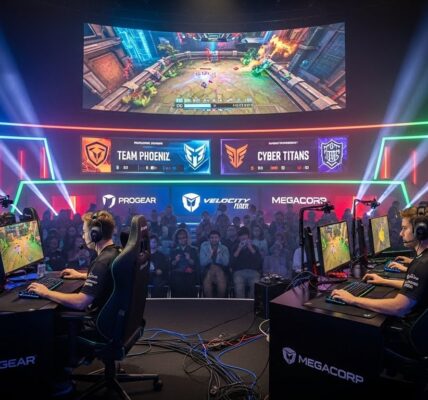
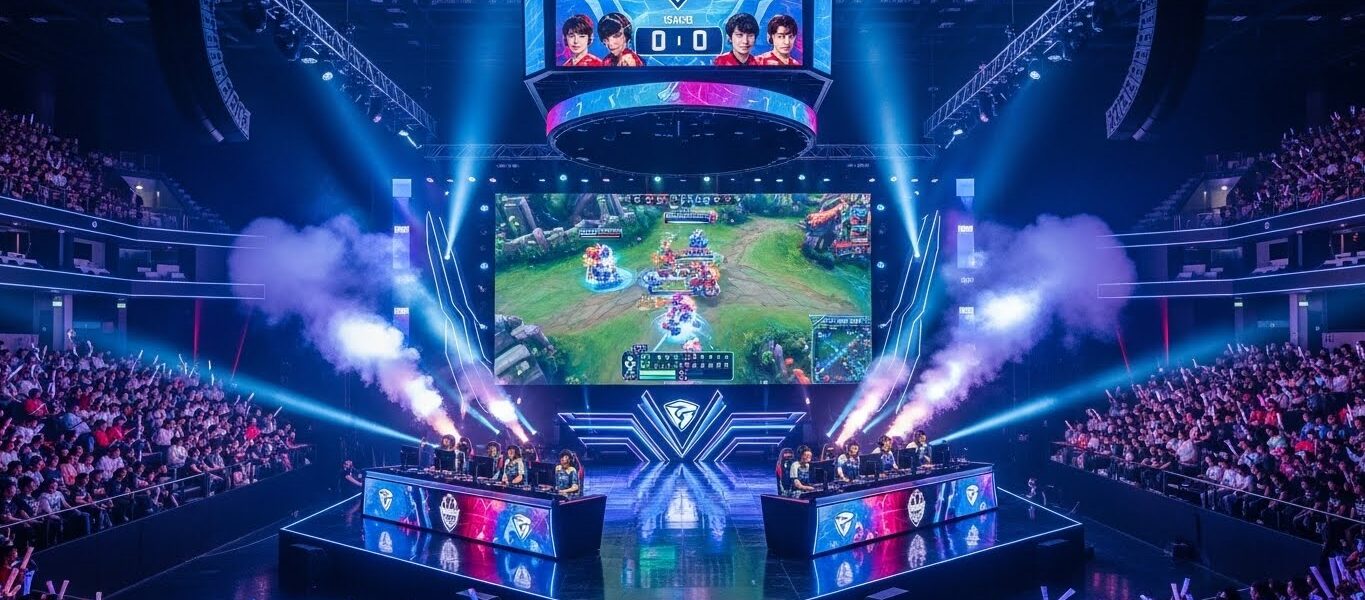

Esports has emerged as a global phenomenon, transforming what was once considered a niche hobby into a multi-billion dollar industry. The fusion of technology, entertainment, and sports has given rise to competitive gaming at levels never seen before. From professional leagues and international tournaments to a booming fanbase, esports is no longer a passing trend but a cultural force. This blog post delves into the rapid growth of esports, the factors contributing to its success, and its impact on the world of gaming and beyond.
The Birth and Evolution of Esports
Esports, short for electronic sports, refers to organized, multiplayer video game competitions, particularly between professional players, individually or as teams. Though competitive gaming has existed in various forms since the early days of video games, the term “esports” as we know it today began to take shape in the late 1990s and early 2000s.
In the early days, competitive gaming was limited to LAN (local area network) parties, where gamers would gather in a physical space to compete against one another. Titles like “Quake” and “StarCraft” began to gain traction within these circles, and small-scale tournaments began to form. However, it wasn’t until the advent of high-speed internet and platforms like Twitch and YouTube that esports began to expand its reach globally.
By the mid-2000s, the rise of massively multiplayer online games (MMOs) like “World of Warcraft” and competitive strategy games like “League of Legends” laid the foundation for modern esports. Professional teams formed, and dedicated tournaments with significant cash prizes began to appear, setting the stage for the massive industry we see today.
The Anatomy of Esports: Games, Teams, and Tournaments
Popular Games in Esports
Esports is incredibly diverse, with different genres attracting unique audiences. Some of the most popular games in the industry include:
- First-Person Shooters (FPS): Games like “Counter-Strike: Global Offensive,” “Call of Duty,” and “Overwatch” have become staples of esports tournaments. These games emphasize reflexes, team coordination, and strategic gameplay.
- Multiplayer Online Battle Arenas (MOBAs): Titles like “League of Legends” and “Dota 2” are some of the largest esports games globally. These games involve two teams of players working together to destroy the opponent’s base, requiring immense strategic depth, teamwork, and quick thinking.
- Real-Time Strategy (RTS): “StarCraft II” is a great example of an RTS game that continues to host major esports events. Players control resources and units in real time, requiring deep strategic thinking and precision.
- Sports Simulation Games: While not as massive as other genres, games like “FIFA” and “NBA 2K” have carved out a niche within esports, with professional leagues and tournaments dedicated to them.
Each game has its own professional scene, complete with teams, sponsorships, and global tournaments. The variety of games available allows for different types of skill sets and playstyles, making esports inclusive to a wide range of players and fans.
Esports Teams and Players
Just like traditional sports, esports has professional teams that compete in various leagues and tournaments. These teams consist of highly skilled players who often specialize in particular games or roles within a game. The level of competition in esports is fierce, with players dedicating hours every day to training, perfecting strategies, and honing their mechanical skills.
Esports players are not just video game enthusiasts—they are professionals. Many top players are able to make a living from their participation in competitions, sponsorships, and streaming. Some of the most well-known esports players include Faker (League of Legends), s1mple (CS: GO), and Dendi (Dota 2), who have become global icons in the gaming community.
Teams, often sponsored by major brands, have become synonymous with esports. Organizations like Cloud9, Team Liquid, and Fnatic are some of the most successful and popular esports teams in the world. They recruit top-tier talent, offer training facilities, and compete in high-profile tournaments, often with substantial prize pools.
Esports Tournaments and Leagues
Esports tournaments are the heart of the competitive gaming world, where the best players and teams battle for supremacy. Some of the most prestigious tournaments include:
- The International (Dota 2): Known for its massive prize pool (often exceeding $30 million), The International is the pinnacle of competitive Dota 2 and one of the most-watched esports events in the world.
- League of Legends World Championship: This annual event brings together the best teams from around the world to compete for the coveted Summoner’s Cup. It is broadcast to millions of viewers globally and is one of the most significant esports events.
- Intel Extreme Masters (CS: GO): A series of global tournaments held in different cities, Intel Extreme Masters is a major fixture in the CS: GO esports calendar.
These tournaments offer not just financial rewards but also global recognition. The level of competition is extreme, with teams training for months leading up to each event. Streaming platforms like Twitch provide fans with live access to these events, further driving esports’ massive audience growth.
The Role of Streaming and Digital Platforms
Streaming services, particularly Twitch, have played a central role in the growth of esports. Twitch, a platform where gamers can stream their gameplay live, has become the go-to destination for esports enthusiasts and casual viewers alike. It offers a way for fans to connect with players, follow their favorite teams, and witness major esports events in real time.
The interaction between streamers and their communities has become a key factor in esports’ rise. Fans are no longer just passive viewers—they can actively engage with the content, chat with players, and participate in the growing culture surrounding competitive gaming. For many players, streaming on Twitch is not only a way to compete but also a way to connect with their fanbase and generate income through subscriptions, donations, and sponsorships.
Other platforms like YouTube and Facebook Gaming have also contributed to the accessibility of esports, offering on-demand content, highlights, and full tournament replays. These platforms have helped to increase the visibility of esports and broaden its reach beyond hardcore gamers to a more mainstream audience.
The Global Impact of Esports
Esports has become a global industry, with regional leagues and tournaments in every corner of the world. From South Korea, a country often regarded as the birthplace of modern esports, to North America, Europe, and China, competitive gaming has permeated cultures worldwide. Some countries, like South Korea and China, have developed esports infrastructure, including dedicated arenas and government support, to foster the growth of competitive gaming.
The popularity of esports has also led to partnerships with traditional sports organizations. Professional sports teams, including those from the NBA, NFL, and even soccer clubs like FC Barcelona, have invested in esports. This crossover has provided legitimacy to esports as a legitimate form of entertainment and competition.
Moreover, esports has opened up career opportunities for individuals beyond just players. Analysts, commentators, event organizers, marketers, and content creators all play an essential role in the esports ecosystem, contributing to its rapid growth.
The Future of Esports: Challenges and Opportunities
While esports has come a long way, it is still a young industry, and its future holds many possibilities. However, there are some challenges to address. One of the most significant issues facing esports is its sustainability. The massive popularity of esports has brought a lot of investment and attention, but long-term stability is not guaranteed. The challenge will be ensuring that the ecosystem remains healthy and balanced, with fair compensation for players and adequate financial support for teams and organizers.
Another challenge is the potential for esports to be taken more seriously as a professional sport. As the industry grows, there is an increasing need for governance, regulation, and professional standards. The potential for esports to become an Olympic event has also been a topic of discussion, with many seeing it as a natural fit alongside traditional sports.
Esports is also likely to continue its convergence with other forms of entertainment. Virtual reality (VR) and augmented reality (AR) could play a major role in the future of competitive gaming, offering entirely new ways to engage with games and tournaments. Similarly, the expansion of mobile gaming is opening up new frontiers for esports, with titles like “PUBG Mobile” and “Arena of Valor” attracting massive player bases.
Conclusion
Esports is no longer just a hobby or a subculture—it’s a global, billion-dollar industry that is changing the way we think about gaming and competition. With its diverse games, professional teams, major tournaments, and passionate fanbase, esports has proven to be a force to be reckoned with in the entertainment world. Whether you’re a casual gamer or a hardcore fan, it’s clear that esports has a bright future ahead, and the world will be watching as it continues to evolve and grow.