
Introduction: The Digital Revolution in Sports
Esports has come a long way from its early days of grassroots tournaments and casual play. What was once seen as a niche activity is now a global phenomenon, attracting millions of players, fans, and professionals alike. With its explosive growth over the past decade, esports has revolutionized the world of competitive entertainment, challenging traditional sports for dominance in the entertainment landscape. In this blog, we’ll explore the rise of esports, how it’s reshaping entertainment, and what the future holds for this exciting digital frontier.
The Origins of Esports: A Journey from Hobby to Profession
Esports didn’t start as a booming industry. It began as a hobby for avid gamers and enthusiasts who would gather for local competitions or engage in friendly duels over dial-up internet connections. Early video games like Quake, Starcraft, and Warcraft helped lay the foundation for what would eventually become a professional competitive scene.
As the internet evolved and broadband became more accessible, so did the opportunity for gamers to compete against each other on a global scale. Online gaming platforms such as Battle.net and Xbox Live helped spark a new era of competitive gaming, and in the early 2000s, the first large-scale tournaments began to emerge. With games like Counter-Strike and World of Warcraft, players could now compete in organized events with cash prizes and sponsorships.
By the time streaming platforms like Twitch emerged in the early 2010s, esports was already poised for a revolution. The accessibility of live streaming enabled fans to watch top-tier competitions from the comfort of their own homes, expanding the esports audience dramatically. Today, esports is a billion-dollar industry with major events, professional players, and millions of fans around the world.
The Growth of Esports: A Multi-Billion-Dollar Industry
Esports has experienced an unprecedented rise, not just in terms of player participation but also in the economic impact it has on the global entertainment industry. According to industry reports, the global esports market is expected to reach over $1.5 billion in revenue in the coming years, a testament to its incredible growth and staying power.
There are several key factors driving this rise:
- Sponsorships and Investments: Esports has attracted major corporations and global brands, from tech giants like Intel and Samsung to consumer goods companies like Coca-Cola and Red Bull. These companies see the value in sponsoring teams, events, and players, recognizing esports as an essential vehicle to reach a younger, digital-savvy audience.
- Streaming and Digital Media: The rise of platforms like Twitch, YouTube Gaming, and Facebook Gaming has democratized access to esports content. These platforms not only allow fans to watch live events but also engage with their favorite players in real-time through chat interactions, creating a sense of community and fan loyalty that traditional sports sometimes lack.
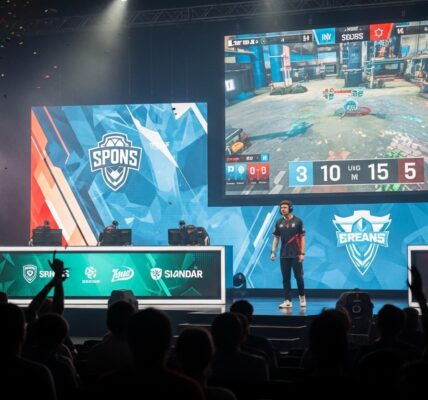
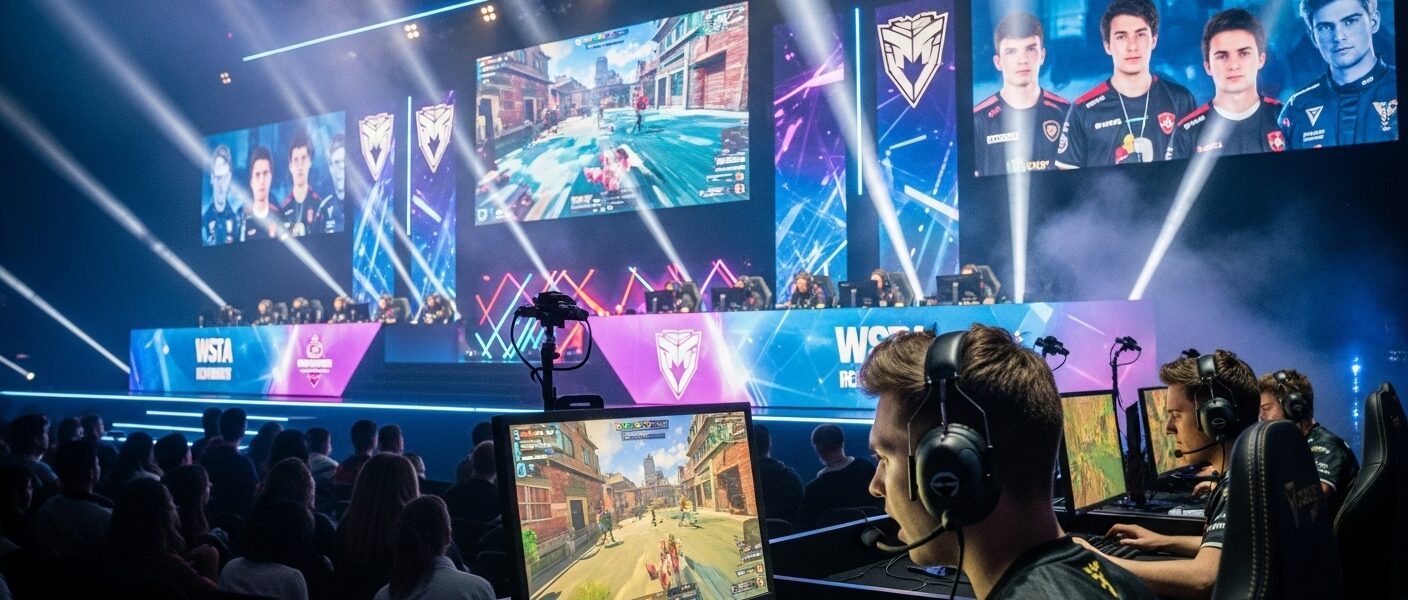
- Global Competitions: Major esports events, such as The International (Dota 2) and the League of Legends World Championship, have become global spectacles. These tournaments offer prize pools worth millions of dollars, drawing massive online viewership and selling out arenas across the world. As esports continues to gain prominence, these events are becoming as popular as traditional sports tournaments, attracting mainstream media coverage.
The Business Side of Esports: Professional Teams and Players
As esports has become more commercialized, it has also given rise to a new breed of professional athletes. Players who once competed for fun now sign multi-million-dollar contracts with organizations, receiving salaries, bonuses, and sponsorship deals. Esports organizations function much like traditional sports teams, complete with team coaches, analysts, managers, and support staff.
The salary potential for professional esports players varies greatly depending on the game they compete in and their individual performance. Top-tier players can earn millions of dollars annually from tournament winnings, sponsorships, and streaming. For example, players in Dota 2‘s The International competition can win millions in prize money, with the 2023 prize pool exceeding $40 million.
Additionally, the rise of esports has created a new career path for individuals who might not necessarily be gamers themselves. From coaches and analysts to content creators and streamers, the esports ecosystem is expansive, offering a variety of professional opportunities. Event organizers, marketing teams, commentators, and even game developers are now contributing to the esports ecosystem, solidifying its place in the entertainment world.
The Appeal of Esports: What Makes It So Popular?
Esports has a unique appeal that has drawn millions of fans to the digital arena. Several factors contribute to the growing popularity of competitive gaming:
- Accessibility: Unlike traditional sports, which often require physical infrastructure, esports can be played and watched anywhere with an internet connection. This makes it incredibly accessible, especially for younger generations who are more likely to have grown up with gaming consoles and high-speed internet.
- Community and Interaction: One of the biggest draws of esports is the sense of community it fosters. Fans can engage with players through live streams, participate in online discussions, and cheer on their favorite teams in real time. This level of interactivity is something traditional sports have struggled to replicate.
- Variety of Games: Esports encompasses a wide variety of games, from real-time strategy games like Starcraft to first-person shooters like Counter-Strike and Overwatch, as well as multiplayer online battle arenas (MOBAs) like League of Legends and Dota 2. This variety ensures that there is something for everyone, whether you prefer tactical team-based gameplay or fast-paced action.
- Inclusion of All Ages: Esports has a broad demographic, attracting not only teenagers and young adults but also older generations. With games spanning different genres, esports is inclusive, allowing players of various ages and skill levels to compete or enjoy the spectacle.
The Future of Esports: What’s Next?
As esports continues to mature, its future looks incredibly promising. Several trends suggest that the next few years could see even greater advances in the industry:
- Mainstream Sports Integration: Esports is already making its mark in the sports world, with some professional leagues collaborating with esports organizations. For example, the NBA 2K League has partnered with the National Basketball Association, and FIFA esports competitions are gaining ground. As these collaborations continue to grow, esports could be recognized as a formal part of traditional sports leagues.
- Immersive Technologies: The integration of virtual reality (VR) and augmented reality (AR) could revolutionize esports. VR, in particular, could offer a more immersive experience for both players and fans, allowing them to feel as though they are inside the game world itself.
- Expansion into Mobile Gaming: With the rapid growth of mobile gaming, titles like PUBG Mobile and Clash Royale are now attracting competitive players and viewers alike. Mobile esports could become one of the dominant forms of competition, especially in regions where mobile devices are more common than gaming PCs or consoles.
- Increased Global Recognition: As esports continues to expand in popularity, it could eventually find its place in major international sporting events like the Olympics. This would further cement esports as a legitimate and influential form of entertainment, drawing even more attention and investment.
Conclusion: A Thriving Digital Revolution
Esports is no longer just a trend—it’s a cultural and economic powerhouse that is reshaping the world of entertainment. With its growing global fanbase, high-profile competitions, and professional players, esports is proving that it’s here to stay. Whether you’re a gamer, a fan, or simply an observer, the rise of esports offers something exciting for everyone.
The future of esports is bright, and as technology advances and the industry matures, we can expect even more innovation, greater opportunities, and a larger global following. In a world where digital and physical entertainment are becoming increasingly intertwined, esports stands at the forefront of this new era, ready to redefine the way we think about sports and competition.