
Introduction: The World of Competitive Gaming
Esports, or competitive gaming, has grown into one of the most influential and rapidly expanding sectors of the entertainment industry. What once began as casual gatherings of gamers has transformed into a professional ecosystem with professional players, massive tournaments, and millions of fans around the world. Today, esports is more than just gaming—it is a career path, a spectator sport, and a cultural movement that transcends borders and demographics.
This blog delves into the evolution of esports, its technological foundation, the variety of games and competitions, the economic and social impact, and the future potential of competitive gaming. By exploring these areas, readers can gain a full understanding of why esports has become a defining feature of modern entertainment.
The Origins of Esports
The roots of esports can be traced back to the late 1970s and early 1980s when arcade games first gained popularity. Games such as “Space Invaders” and “Pac-Man” attracted competitive players eager to set high scores and achieve recognition among peers.
The first widely recognized video game competition occurred in 1980 at Stanford University, where participants vied for the top score in “Space Invaders.” While modest by modern standards, this tournament demonstrated that video games could provide more than entertainment—they could be competitive, social, and rewarding.
The introduction of personal computers and early consoles expanded the landscape for competitive gaming. Titles such as “Doom,” “Quake,” and “Command & Conquer” allowed players to compete over local area networks, laying the groundwork for the networked online play that defines modern esports.
Key Genres and Games in Esports
Esports encompasses a wide variety of games, each with its own competitive scene and dedicated fanbase. These games often define the skillsets and strategies that players develop, creating unique subcultures within the esports community.
1. Real-Time Strategy Games (RTS):
RTS games like “StarCraft” and “Warcraft III” were foundational to competitive gaming. These games require quick thinking, strategic planning, and precise execution. South Korea in particular embraced “StarCraft” as a national pastime, developing professional leagues, televised matches, and a fan culture that rivaled traditional sports.
2. Multiplayer Online Battle Arenas (MOBAs):
MOBAs, such as “League of Legends” and “Dota 2,” revolutionized esports in the 2000s. These team-based games combine fast-paced action with deep strategy, emphasizing coordination, communication, and adaptability. The competitive MOBA scene includes regional leagues, international tournaments, and prize pools that reach millions of dollars, drawing viewers worldwide.
3. First-Person Shooters (FPS):
FPS games like “Counter-Strike,” “Call of Duty,” and “Overwatch” emphasize precision, reaction time, and tactical awareness. FPS esports have developed structured leagues, global tournaments, and a fanbase that thrives on the excitement of high-speed competitive action.
4. Fighting Games:
Fighting games such as “Street Fighter,” “Tekken,” and “Super Smash Bros.” have long been a staple of competitive gaming. They require mastery of timing, combos, and strategy. Fighting game tournaments often foster tight-knit communities and intense rivalries, adding a layer of personal storytelling to the competitive scene.
5. Sports and Racing Simulations:
Virtual sports and racing games, including “FIFA,” “NBA 2K,” and “Gran Turismo,” translate real-world sports into digital arenas. These games appeal to fans of traditional sports and provide a unique combination of strategy, skill, and familiarity. Competitive leagues in these games have grown internationally, with official partnerships and sponsorships from real-world sports organizations.
The Professionalization of Esports
The 2000s marked a turning point as esports transitioned from casual competition to professional enterprise. Players began earning salaries, sponsorships, and prize money, creating legitimate career paths in gaming.
1. Formation of Professional Leagues:
Professional leagues, such as the League of Legends Championship Series (LCS) and the Overwatch League, standardized competitive play. They established franchises, organized seasons, and formalized tournament structures, elevating esports to a spectator-friendly sport.
2. Sponsorship and Branding:
Corporate investment played a pivotal role in esports’ growth. Brands recognized the opportunity to reach young, digitally engaged audiences, sponsoring teams, events, and individual players. This influx of capital allowed for professional training, marketing campaigns, and large-scale tournaments.
3. Esports Celebrities:
Top esports athletes, like Faker in League of Legends or s1mple in Counter-Strike, have become household names among gaming fans. Their skill, charisma, and consistency have made them influencers, role models, and the faces of professional esports.
Major Tournaments and Events
Tournaments serve as the lifeblood of esports, providing excitement, recognition, and financial rewards.
1. International Championships:
Global tournaments, such as The International for “Dota 2” or the League of Legends World Championship, attract elite teams from around the world. These events feature prize pools in the millions, extensive media coverage, and millions of live viewers.
2. Online Competitions:
Online tournaments have made competitive play more accessible. Players can participate in qualifiers, regional events, and global competitions without traveling, democratizing access to the esports ecosystem and enabling talent discovery across the globe.
3. Live Events and Spectatorship:
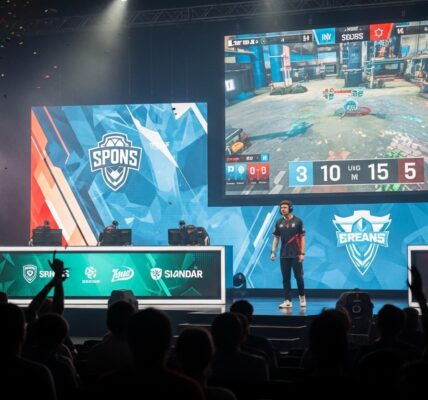
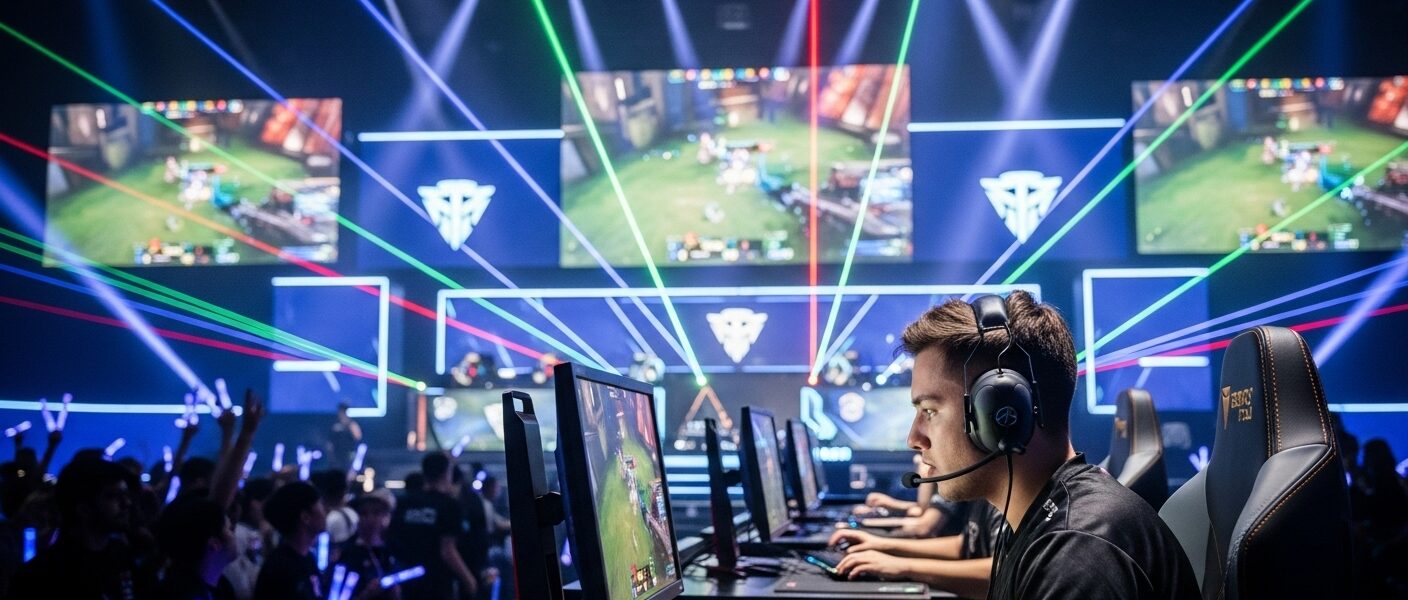
Live esports events have grown in scale, often filling arenas and convention centers. Fans experience matches on massive screens, participate in interactive activities, and connect with a global community. The energy of these events parallels that of traditional sports, creating immersive entertainment experiences.
The Role of Streaming in Esports
Streaming platforms like Twitch, YouTube Gaming, and Facebook Gaming have revolutionized esports by connecting players with global audiences.
1. Viewer Engagement:
Streaming allows real-time interaction, enabling fans to comment, cheer, and ask questions while watching matches. This engagement strengthens community bonds and enhances the spectator experience.
2. Monetization for Players:
Streamers generate revenue through subscriptions, donations, sponsorships, and advertising. Successful content creators can build significant personal brands, combining esports competition with entertainment and education.
3. Cultural Influence:
Streaming has influenced game popularity, trends, and competitive strategies. Streamers often act as cultural icons within the gaming community, promoting games and shaping the esports narrative.
The Economics of Esports
Esports is a multibillion-dollar industry with diverse revenue streams.
1. Prize Pools and Player Earnings:
High-profile tournaments offer substantial prize money, incentivizing skill and dedication. Top players earn salaries and bonuses comparable to professional athletes in traditional sports.
2. Sponsorship and Marketing:
Brands invest heavily in esports to reach digitally engaged, often younger audiences. Sponsorship deals include team endorsements, in-game advertising, and tournament partnerships.
3. Investments and Franchise Models:
Major leagues operate on franchise systems, providing stability and long-term growth. Investors purchase team slots and promote brand recognition while contributing to the professionalization of esports.
Social and Cultural Impact of Esports
Esports has influenced global culture, social interaction, and education.
1. Global Communities:
Esports unites players and fans worldwide. Online platforms, tournaments, and fan events facilitate cultural exchange, friendships, and shared experiences.
2. Education and Training:
Universities and schools now offer esports scholarships, programs, and competitive teams. Players develop critical skills such as strategic thinking, teamwork, and communication.
3. Challenging Stereotypes:
Esports challenges traditional perceptions of athletes, proving that discipline, strategic thinking, and performance under pressure extend beyond physical sports.
4. Integration with Media and Entertainment:
Esports has crossed into mainstream media, inspiring documentaries, films, and live broadcasts. Music, fashion, and entertainment industries have incorporated esports culture, reflecting its growing influence.
Challenges Facing Esports
Despite rapid growth, esports faces challenges that could affect its future development.
1. Regulatory Complexities:
Different countries have varying laws governing online gaming, gambling, and esports contracts. Navigating these regulations is essential for global expansion.
2. Mental and Physical Health:
Professional esports players endure long training hours and high-pressure environments. Maintaining mental and physical well-being is essential to prevent burnout and sustain careers.
3. Diversity and Inclusivity:
The esports industry has traditionally been male-dominated, but initiatives promoting women, LGBTQ+ players, and underrepresented groups are gaining traction. Increased diversity strengthens the community and broadens the audience.
4. Cheating and Fair Play:
Integrity remains vital. Anti-cheat software, monitoring systems, and strict tournament rules ensure fair competition, but constant vigilance is necessary.
The Future of Esports
The future of esports promises continued growth, innovation, and mainstream acceptance.
1. Virtual Reality and Augmented Reality:
VR and AR will create immersive competitive experiences, allowing players to interact in 3D environments and expanding the possibilities for gameplay mechanics.
2. Collaboration with Traditional Sports:
Professional sports organizations are investing in esports divisions, creating crossover opportunities that integrate traditional and digital sports audiences.
3. Global Expansion:
Esports is growing in emerging markets, including Africa, South America, and Southeast Asia. Infrastructure development and internet accessibility will fuel this expansion.
4. Technological Advancements:
AI, cloud gaming, streaming improvements, and interactive platforms will enhance both player experiences and viewer engagement. The future of esports will be more immersive, interactive, and accessible than ever before.
Conclusion: Esports as a Defining Cultural Force
Esports has evolved from small competitions in arcades and homes to a global industry with professional players, massive tournaments, and passionate fan communities. Its growth reflects technological innovation, cultural change, and the increasing value placed on digital entertainment.
Esports is more than just gaming—it is a global movement, a career path, and a new form of competitive sports. Its appeal lies in skill, strategy, community, and the ability to connect people worldwide. The industry continues to redefine what it means to compete, spectate, and engage in the digital era.
As technology and culture continue to evolve, esports will remain at the forefront of entertainment, inspiring future generations of players, fans, and innovators. The world of competitive gaming has arrived, and it shows no signs of slowing down.