
Esports, or competitive video gaming, has evolved from a niche hobby into a global phenomenon. Once seen as a pastime limited to teenagers in basements, it now attracts millions of viewers, offers substantial prize pools, and provides professional careers for players, commentators, and event organizers alike. The rise of esports is a reflection of our changing digital culture, technological advancements, and shifting perceptions of what constitutes “real” competition. In this blog, we explore the evolution of esports, its social and economic impact, the psychology behind its popularity, and what the future holds for this rapidly growing industry.
The Origins of Esports
The roots of esports can be traced back to the late 1970s and 1980s, when arcade games and home consoles became more widespread. Early competitive gaming events, such as the 1980 Space Invaders Championship, attracted thousands of participants eager to prove their skills. These events were rudimentary compared to today’s standards, but they laid the foundation for competitive gaming as a spectator sport.
In the 1990s, games like Quake, StarCraft, and Counter-Strike transformed gaming into a highly strategic and team-oriented activity. With the rise of the internet, players could compete against each other from different cities, and the concept of organized tournaments started gaining traction. South Korea, in particular, became a hub for professional gaming during this time, with StarCraft tournaments drawing huge television audiences. The cultural acceptance of competitive gaming in South Korea played a major role in shaping esports into the global industry it is today.
The Explosion of Esports in the Digital Age
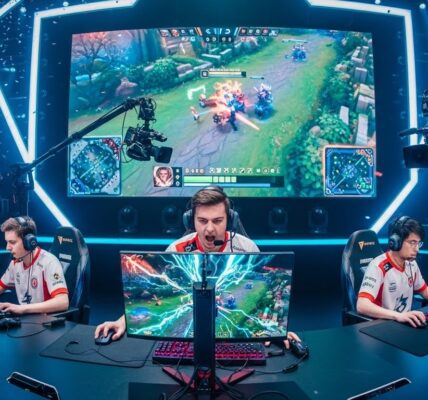
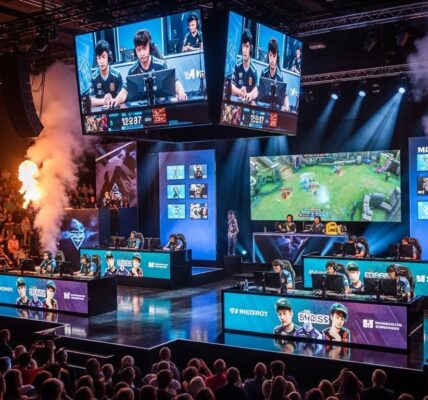
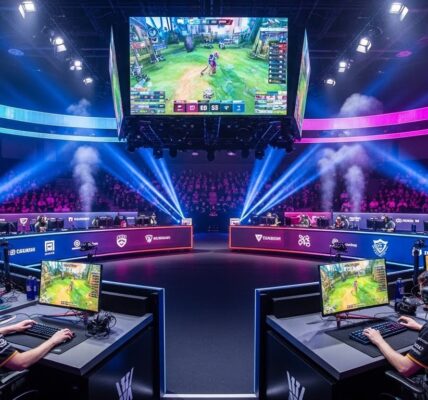
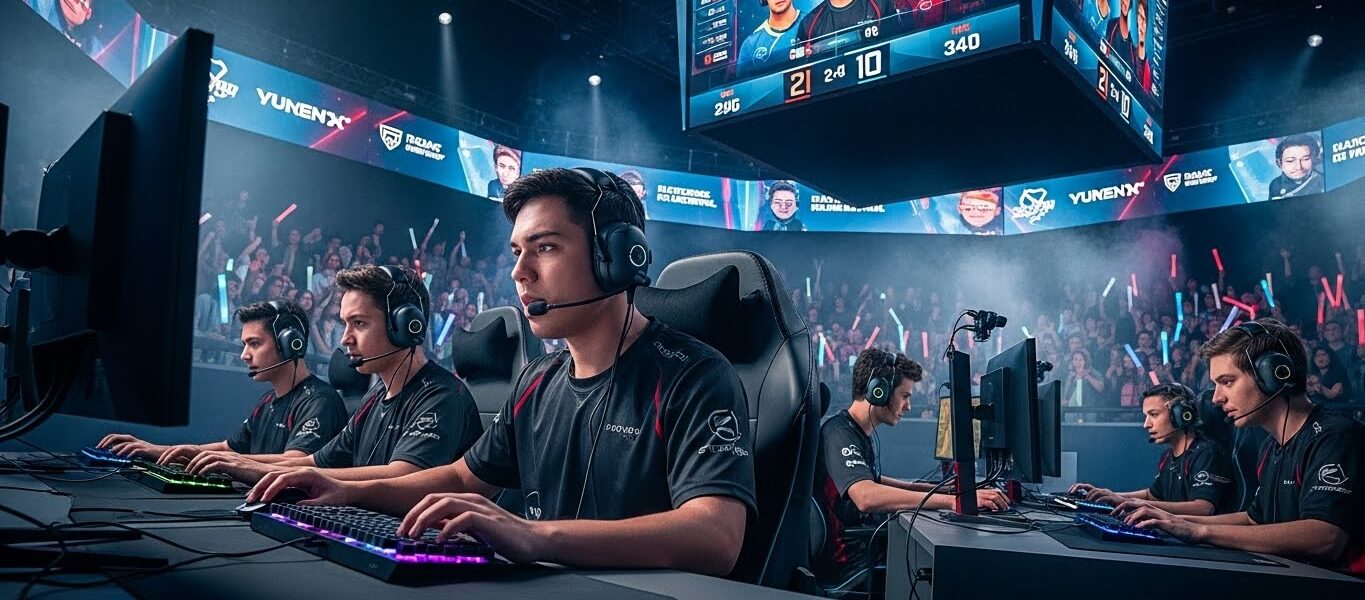
The 2000s and 2010s witnessed an explosion in the popularity of esports. Advances in streaming technology, particularly the rise of platforms like Twitch and YouTube, allowed millions of fans worldwide to watch live tournaments in real-time. Esports events transitioned from small gatherings in internet cafes to grand arenas filled with cheering audiences. Major tournaments now feature elaborate stage designs, live commentators, and celebrity appearances, creating an experience comparable to traditional sports events.
The diversity of games in esports also expanded. Multiplayer online battle arenas (MOBAs) like League of Legends, first-person shooters like Call of Duty, and battle royale games like Fortnite all developed their own professional circuits. Each game attracted its own dedicated fanbase, creating a multifaceted ecosystem where players and fans could find communities tailored to their interests. The growth of esports leagues, sponsorships, and merchandise sales cemented esports as a legitimate industry.
The Economic Impact of Esports
Esports is not just a cultural phenomenon; it is a booming economic engine. In 2025, the global esports market is projected to surpass several billion dollars, fueled by revenue from sponsorships, media rights, merchandise, and ticket sales. Big brands from various sectors, including tech, apparel, and even food and beverage, have recognized the marketing potential of esports, investing heavily in teams, tournaments, and influencer partnerships.
Professional players earn significant incomes, often supplemented by streaming and sponsorship deals. Top esports athletes can command salaries comparable to mid-tier professional athletes in traditional sports. Furthermore, esports has created new employment opportunities beyond the players themselves, including coaches, analysts, content creators, event managers, and marketing professionals. This economic ecosystem demonstrates how a digital hobby has evolved into a legitimate career pathway for millions of people worldwide.
The Social and Cultural Significance of Esports
Esports has transformed how people interact, socialize, and form communities. Unlike traditional sports, which often require physical presence or access to specialized facilities, esports is accessible to anyone with an internet connection. This inclusivity has enabled people from diverse backgrounds and regions to compete on an equal footing. Online communities, fan clubs, and discussion forums have emerged, allowing players to connect over shared interests and strategies.
Moreover, esports has challenged cultural perceptions of gaming. Once stigmatized as a waste of time, gaming is now recognized as a form of skill, strategy, and creativity. High-level esports players are celebrated as professionals, and their achievements are respected by fans and the wider public. Schools and universities have even started offering scholarships for esports athletes, acknowledging the value of gaming in developing teamwork, problem-solving skills, and strategic thinking.
The Psychology Behind Esports Popularity
Understanding the psychology of esports reveals why it has become so captivating for millions of people. Competitive gaming taps into intrinsic human desires for achievement, recognition, and social connection. Players experience the same adrenaline rush, strategic thinking, and emotional highs and lows as athletes in traditional sports. The real-time feedback, measurable progress, and visible skill development create a rewarding experience that keeps players engaged.
For spectators, esports provides entertainment, community, and identification with teams and players. Fans feel a sense of belonging as they support their favorite players and participate in online discussions. The unpredictability of matches, strategic depth of gameplay, and dramatic rivalries between teams create narratives that rival those in traditional sports leagues. This combination of emotional engagement and social interaction contributes to esports’ remarkable popularity.
Challenges and Controversies in Esports
Despite its rapid growth, esports faces several challenges and controversies. One significant issue is player burnout and mental health. Professional esports players often maintain grueling practice schedules, sometimes exceeding twelve hours a day, which can lead to physical strain, stress, and mental fatigue. Organizations and leagues are beginning to recognize the importance of mental health support, but the pressures of maintaining competitive excellence remain intense.
Another challenge is regulatory oversight. Unlike traditional sports, esports is still relatively young and lacks standardized rules across different games and leagues. Issues such as cheating, match-fixing, and inconsistent governance have occasionally marred the industry. Additionally, diversity and inclusion remain ongoing concerns, as female players and marginalized groups continue to face barriers in certain esports communities.
The Role of Technology in Shaping Esports
Technology plays a pivotal role in shaping esports, both as a platform and as an enabler. High-speed internet, cloud gaming, and advanced streaming software allow players and fans to connect seamlessly worldwide. Artificial intelligence and analytics tools are increasingly used to improve player performance, optimize strategies, and enhance audience engagement.
Virtual reality (VR) and augmented reality (AR) are also starting to influence the esports landscape. Immersive experiences could redefine how games are played and watched, allowing fans to feel as if they are inside the game environment. As technology continues to evolve, it is likely that esports will become even more integrated into everyday life, blurring the lines between digital and physical entertainment.
Esports and Traditional Sports: Convergence and Competition
Esports and traditional sports are increasingly intersecting. Many professional sports franchises have launched esports divisions, recognizing the value of engaging younger audiences who may not follow traditional sports. Crossovers such as FIFA tournaments, NBA 2K leagues, and Formula 1 esports competitions highlight the potential for collaboration and shared audiences.
At the same time, esports is carving out its own distinct identity, separate from traditional sports. Unlike physical sports, esports emphasizes cognitive skills, strategy, and reflexes, creating a different kind of athleticism. While there is overlap in fan culture, marketing strategies, and professionalization, esports remains uniquely digital, appealing to a generation that grew up with video games as a central form of entertainment.
The Future of Esports
The future of esports appears promising and expansive. With continuous technological advancements, increasing investment from major corporations, and growing cultural acceptance, esports is poised to become a permanent fixture in global entertainment. We may see the rise of esports-focused education programs, more international tournaments, and even greater integration with mainstream media.
As virtual and augmented reality evolve, the spectator experience will become increasingly immersive, attracting new audiences and redefining fan engagement. The boundaries between gaming, social interaction, and entertainment will continue to blur, establishing esports as not just a form of competition, but a comprehensive lifestyle and cultural phenomenon.
Conclusion
Esports has come a long way from its humble beginnings as a niche hobby to a global industry with cultural, social, and economic significance. Its growth reflects broader trends in technology, digital culture, and entertainment, demonstrating how human passion and innovation can transform simple pastimes into professional arenas. While challenges such as player welfare, diversity, and regulation remain, the resilience and creativity within the esports community suggest a bright future. Beyond the screen, esports is more than just a game—it is a movement that continues to redefine the boundaries of competition, community, and culture in the digital age.