
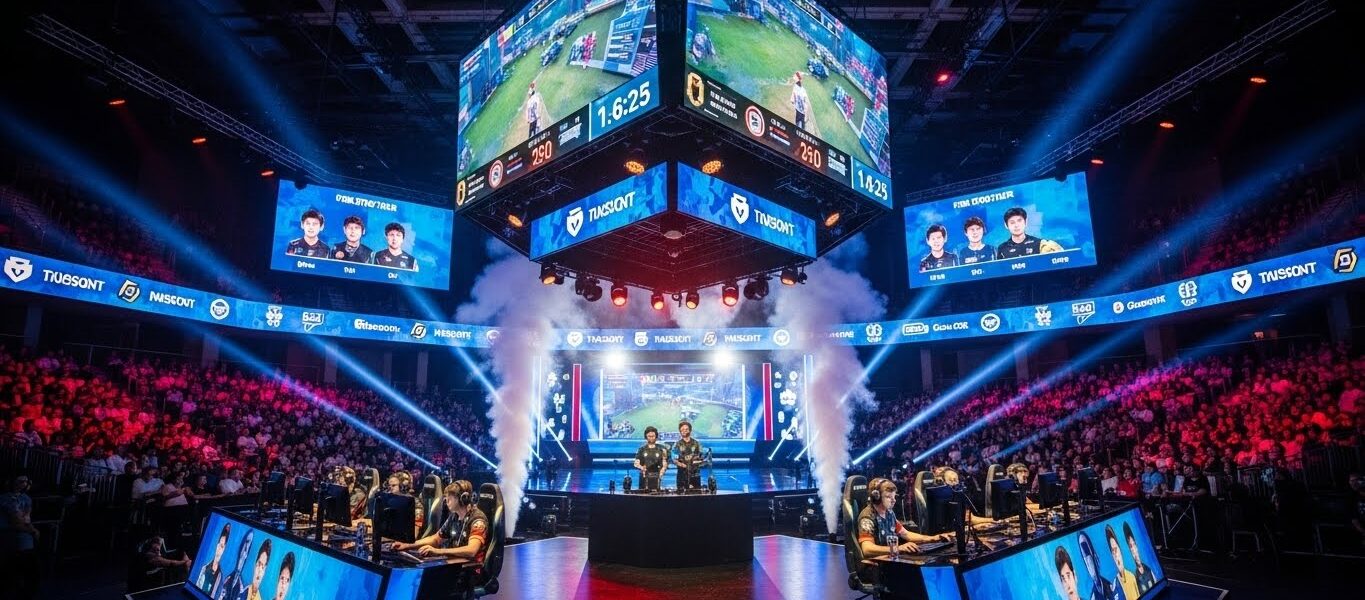

Introduction: The Rise of Esports
Esports, short for electronic sports, has evolved from casual gaming into a professional, globally recognized industry. What began as informal competitions among friends or small communities has grown into organized tournaments attracting millions of fans worldwide. Esports combines skill, strategy, teamwork, and entertainment in a way that mirrors traditional sports, yet it exists entirely in the digital realm. Today, professional players, streaming platforms, and international tournaments have turned competitive gaming into a thriving ecosystem with cultural, social, and economic significance. This blog explores the journey of esports, its impact on players and fans, the industry’s economic influence, and its potential for the future.
What Esports Is and Why It Matters
At its core, esports is organized competition in video games. Players or teams compete in various genres, including real-time strategy games, first-person shooters, multiplayer online battle arenas, and sports simulations. These competitions require intense practice, tactical thinking, quick decision-making, and precision. Unlike casual gaming, professional esports demands a high level of discipline, dedication, and teamwork.
Esports also matters because it reshapes entertainment, challenges perceptions of athleticism, and engages a global audience. It bridges the gap between gaming and professional competition, offering fans immersive experiences while giving players legitimate career paths. The significance of esports extends beyond gameplay; it represents a cultural shift in how people view sports, entertainment, and digital engagement.
A Brief History of Esports
The origins of esports date back to the late twentieth century. Early arcade competitions in the 1970s and 1980s introduced the concept of gaming as competitive activity. Players competed for high scores in games like Space Invaders and Pac-Man. With the rise of home consoles and personal computers, competitive gaming expanded into new formats, including networked tournaments and LAN parties.
The 1990s and early 2000s saw the emergence of professional titles such as StarCraft, Counter-Strike, and Warcraft, which became cornerstones of esports. These games established formal rules, leagues, and community engagement that shaped the modern esports landscape. Over time, advances in internet connectivity, streaming platforms, and sponsorship created opportunities for larger audiences, higher prize pools, and professional careers.
The Professionalization of Esports
Today, esports operates with a level of professionalism comparable to traditional sports. Professional teams have coaches, analysts, managers, and support staff who optimize player performance. Players follow strict training regimens that include practice schedules, strategic review sessions, and mental conditioning. Teamwork and communication are essential, particularly in team-based games, where coordination can determine the outcome of a match.
Leagues and tournaments have formal structures, often mirroring traditional sports organizations. Major events such as the League of Legends World Championship, Dota 2’s The International, and the Fortnite World Cup draw millions of viewers and offer multi-million-dollar prize pools. This level of organization elevates esports from a hobby to a legitimate professional pursuit.
Popular Esports Genres and Games
Esports spans a wide range of genres, each appealing to different audiences and requiring unique skills. Multiplayer online battle arena games, like League of Legends and Dota 2, focus on strategic team play and resource management. First-person shooters, such as Counter-Strike: Global Offensive and Call of Duty, emphasize precision, reflexes, and tactical awareness. Battle royale games, including Fortnite and PUBG, combine strategy, survival, and fast-paced action. Sports simulations like FIFA and NBA 2K replicate real-world sports with a digital twist, providing competitive experiences for fans of traditional athletics.
The diversity of genres ensures that esports can attract a wide range of players and viewers, creating a dynamic and inclusive ecosystem.
The Global Appeal of Esports
Esports’ appeal is universal. Unlike traditional sports, which may be regionally dominant, esports transcends borders, languages, and cultures. Fans from around the world follow professional teams, participate in online communities, and attend live events. Multilingual broadcasts and international competitions ensure that esports reaches global audiences, uniting fans across continents.
The accessibility of esports also contributes to its popularity. With internet access and a gaming device, players can compete or spectate from anywhere. This inclusivity allows esports to connect people from diverse backgrounds, fostering a global community united by shared interests.
Economic Impact of Esports
Esports is a booming industry with a substantial economic footprint. Revenue streams include sponsorships, advertising, merchandise, ticket sales, and broadcasting rights. Brands recognize the marketing potential of esports, investing in teams, tournaments, and streaming platforms to reach engaged and digitally-savvy audiences.
The industry also creates numerous jobs, ranging from professional players and coaches to commentators, analysts, event managers, and content creators. Universities and schools increasingly offer esports programs, scholarships, and clubs, reflecting the educational and career opportunities that have emerged alongside the industry’s growth.
The Role of Streaming and Digital Media
Streaming platforms have been instrumental in the rise of esports. Services like Twitch, YouTube Gaming, and other digital platforms allow fans to watch live tournaments, follow players’ streams, and interact with communities in real-time. Streamers create engaging content that blends gameplay with personality, humor, and commentary, further enhancing the entertainment value of esports.
Digital media also provides a space for fan interaction, community building, and content creation. Social media allows fans to engage with players, participate in discussions, and follow updates from tournaments, creating a dynamic and participatory fan culture.
Challenges Facing the Esports Industry
Despite its growth, esports faces challenges. Player health and well-being are critical concerns, as long hours of practice and competition can lead to physical and mental strain. Issues such as burnout, stress, and repetitive strain injuries require proper management and support systems.
Ethical challenges also exist. Cheating, hacking, and match-fixing threaten the integrity of competitions, making regulation and anti-cheat technologies essential. Additionally, the rapid expansion of esports demands sustainable structures for teams, tournaments, and player development to ensure long-term stability.
Youth and Esports: Nurturing the Next Generation
Esports has become a significant part of youth culture. Young players view esports as a viable career path, while participating in gaming communities enhances social skills, teamwork, and strategic thinking. Schools and universities increasingly incorporate esports programs, teaching students about game design, management, and analytics.
Youth participation in esports fosters creativity, digital literacy, and problem-solving abilities. It also provides a sense of identity and belonging, as young players connect with like-minded peers globally. By offering structured opportunities, esports helps cultivate the next generation of professional players and industry leaders.
Women in Esports
Gender diversity in esports has seen gradual improvement. Female players are gaining visibility in professional competitions, challenging stereotypes, and inspiring new generations. Women’s leagues and tournaments provide platforms for competitive growth, while organizations promote inclusivity and representation.
Encouraging female participation not only enhances diversity but also strengthens the overall esports ecosystem. Representation empowers aspiring players and creates role models, fostering a more balanced and inclusive industry.
The Future of Esports: Technology and Innovation
The future of esports promises continued growth and technological advancement. Virtual reality and augmented reality are poised to redefine gameplay and spectator experiences, providing immersive perspectives and interactive engagement. Artificial intelligence will assist in training, analytics, and strategy development, enhancing player performance and tournament management.
Global connectivity ensures that esports will continue to expand, attracting new audiences and fostering international collaboration. As technology evolves, esports will integrate with broader entertainment and digital experiences, solidifying its role as a leading form of modern competition and culture.
Conclusion: Esports as a Defining Cultural Force
Esports has transformed gaming into a professional, globally recognized, and culturally significant phenomenon. It blends skill, strategy, entertainment, and community in a unique way, offering opportunities for players, fans, and industry professionals. The rise of esports reflects a broader shift in how society views competition, entertainment, and digital engagement.
With its economic impact, cultural influence, and technological integration, esports has proven that competitive gaming is more than a pastime—it is a defining force in the modern digital era. As the industry continues to grow, esports will remain a powerful platform for innovation, community, and human achievement, shaping the future of entertainment and competition for generations to come.