

Introduction
Once dismissed as a pastime for teenagers in dark bedrooms, video gaming has evolved into one of the most powerful entertainment industries in the world. Over the past two decades, Esports—short for electronic sports—has transformed from casual competitive gaming into a professional, organized, and globally celebrated phenomenon. Players now compete in massive arenas, earn sponsorships, and achieve celebrity status. Esports is not just about playing games; it’s a cultural shift, a business empire, and a new form of digital entertainment shaping modern society.
In this blog, we’ll take a deep look at how Esports rose to prominence, what drives its popularity, how it operates as an industry, and where it might go in the future.
The Origins of Competitive Gaming
To understand Esports, we need to start with the early days of gaming competition. The concept of organized gaming isn’t new. The first known video game competition took place in 1972 at Stanford University, where students played the game Spacewar! for a prize of a year’s subscription to Rolling Stone magazine. It was a small event, but it marked the beginning of something much larger.
Through the 1980s, arcade competitions became common. Games like Pac-Man, Donkey Kong, and Space Invaders attracted players from all over who wanted to prove their skills. The Space Invaders Championship held by Atari in 1980 is often cited as one of the earliest large-scale gaming tournaments, drawing more than 10,000 participants across the United States.
As technology advanced, so did the competitive spirit. By the 1990s, with the rise of home consoles and PC gaming, local and national tournaments began to appear more frequently. Games like Street Fighter II, Doom, and StarCraft became breeding grounds for competitive communities that would eventually lay the groundwork for modern Esports.
The Internet Revolution
The real explosion came with the rise of the internet. Online connectivity changed gaming forever. Players could now compete with others across the world from their homes, allowing new types of competition and collaboration.
In the late 1990s and early 2000s, games like Counter-Strike, Warcraft III, and Quake established competitive scenes that transcended borders. Internet cafés and LAN (Local Area Network) parties became hubs for aspiring professional gamers.
South Korea was one of the first countries to fully embrace this new digital competition. The government invested in internet infrastructure, and gaming became a part of youth culture. Televised StarCraft matches drew millions of viewers, and professional players became national celebrities. Korea essentially built the first professional Esports ecosystem—with teams, leagues, and dedicated training facilities.
The Growth of Major Esports Titles
As technology improved and gaming became more accessible, certain titles began to define Esports for a global audience. Each game brought its own community, strategies, and professional structure.
1. League of Legends
Released in 2009 by Riot Games, League of Legends (LoL) became one of the most successful Esports titles in history. With its blend of strategy, teamwork, and skill, LoL tournaments now attract millions of viewers each year. The League of Legends World Championship has become one of the most-watched annual events, comparable in viewership to major traditional sports finals.
2. Dota 2
Another monumental title is Dota 2, developed by Valve. Known for its complex gameplay and deep strategic elements, Dota 2 hosts The International—one of the largest Esports tournaments in the world. Prize pools often exceed tens of millions of dollars, funded largely by the game’s community through in-game purchases.
3. Counter-Strike: Global Offensive
Counter-Strike: Global Offensive (CS:GO) is a staple of competitive gaming. Its fast-paced, tactical gameplay and long-standing history have kept it relevant for over a decade. Major tournaments like ESL One and PGL Majors have cemented its legacy in Esports culture.
4. Fortnite and Battle Royale Games
In 2017, Fortnite brought a fresh wave of players into Esports. Its combination of shooting mechanics, building, and colorful design attracted a massive audience of both players and viewers. Epic Games capitalized on this with the Fortnite World Cup, where young players like Bugha became millionaires overnight.
5. Valorant, Overwatch, and the Future of Competitive Shooters
Modern Esports continues to evolve with games like Valorant and Overwatch, which merge traditional shooting mechanics with unique character abilities. These games have created new professional leagues and expanded the diversity of Esports beyond traditional genres.
The Esports Ecosystem
Esports is much more than just players competing. It’s an entire industry built around organization, sponsorship, production, and fan engagement.
Teams and Organizations
Professional teams operate much like sports franchises. They sign players, hire coaches, analysts, and managers, and compete in leagues across the world. Famous organizations like Team Liquid, Cloud9, Fnatic, and T1 have built global brands with millions of fans.
These teams often have sponsors ranging from tech companies to energy drinks, apparel brands, and even car manufacturers. Players wear jerseys, attend media events, and represent their sponsors both online and offline.
Tournaments and Leagues
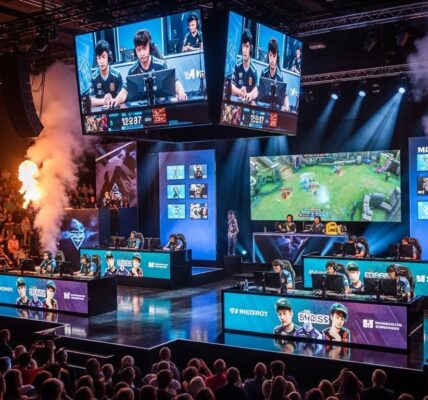
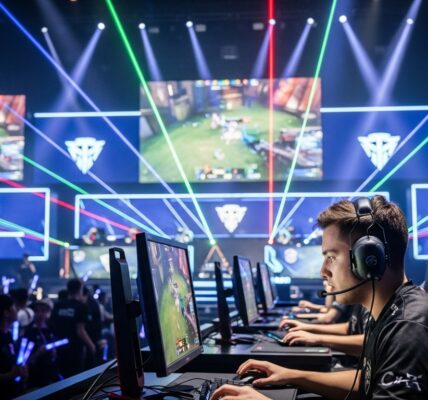
Esports tournaments vary in scale—from small community events to international championships filling entire stadiums. Leagues such as the League of Legends Championship Series (LCS) or Overwatch League operate with structured seasons, playoffs, and global finals.
Production quality has also skyrocketed. Broadcasts now include professional commentary, instant replays, camera crews, and on-screen graphics rivaling traditional sports networks.
Streaming Platforms
Platforms like Twitch and YouTube Gaming have played a major role in Esports’ growth. Fans can watch live games, follow their favorite players, and interact with communities in real time. Streaming has also allowed individual players to build personal brands outside of professional competition.
Sponsorship and Revenue
Money drives the industry, and Esports has become a multi-billion-dollar business. Revenue comes from sponsorships, advertising, ticket sales, merchandise, and media rights. Companies see Esports as an opportunity to reach younger, tech-savvy audiences who might not engage with traditional media.
The Life of an Esports Athlete
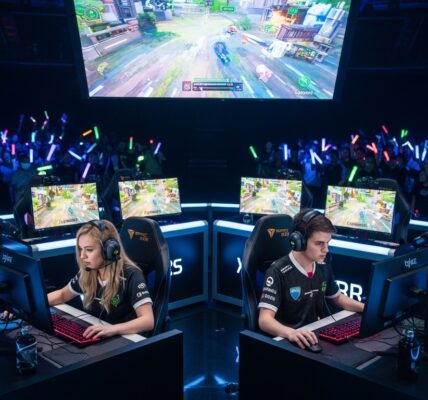
Being a professional gamer is far from an easy job. Esports athletes train for long hours every day—often 8 to 12 hours of practice, scrimmages, and reviewing gameplay. Reflexes, coordination, and mental focus are crucial, and burnout is a constant concern.
Unlike traditional sports, the career lifespan of an Esports player can be short. Reaction times and endurance tend to decline with age, and competition is fierce. Many players retire in their mid-twenties, transitioning to coaching, streaming, or content creation afterward.
Health has become a major topic in Esports. Organizations now hire fitness trainers, psychologists, and nutritionists to help players maintain physical and mental well-being. The stereotype of gamers as unhealthy or sedentary is slowly fading as professionalism grows.
The Cultural Impact of Esports
Esports has changed how we think about entertainment and competition. It has blurred the lines between gaming, media, and celebrity culture.
A New Kind of Fame
Top players like Faker (League of Legends), s1mple (CS:GO), and Ninja (Fortnite) are household names in gaming communities. They have millions of followers on social media and endorsements that rival traditional athletes.
Esports in Education
Colleges and universities around the world now offer Esports scholarships and degrees. Schools see competitive gaming as both a legitimate sport and a gateway into tech, business, and media careers. Esports management programs are teaching the next generation of event organizers, marketers, and developers.
Esports in the Olympics
Discussions about including Esports in the Olympics have gained traction. While debates continue over which games fit Olympic standards, events like the Olympic Esports Week show that competitive gaming is being recognized on a global stage.
Global Connection
Esports connects people across borders and cultures. A fan in Brazil can cheer for a team in China, while players from different countries compete together online. The sense of community is one of Esports’ greatest strengths—it’s digital, diverse, and deeply passionate.
Challenges Facing Esports
While Esports continues to grow, it’s not without challenges.
1. Player Burnout and Mental Health
The pressure to perform, constant online scrutiny, and long practice hours take a toll on players. Mental health awareness is improving, but burnout remains a major concern.
2. Financial Sustainability
Despite huge viewership numbers, not every tournament or team is profitable. Smaller organizations often struggle to find consistent revenue streams. Prize money can be unpredictable, and sponsorship deals vary greatly depending on region and popularity.
3. Cheating and Fair Play
Just like in traditional sports, integrity is essential. Cheating, hacking, and match-fixing scandals have occasionally hurt the credibility of Esports. Developers and leagues continuously invest in anti-cheat systems and strict regulations to protect competition.
4. Gender Representation
Esports still faces criticism for its lack of female representation. While there are successful women in the industry, barriers like toxicity, sexism, and lack of visibility persist. Efforts to make Esports more inclusive are growing, with all-female leagues and diversity initiatives helping shift the culture.
5. Regulation and Governance
Because Esports spans multiple games and countries, there is no single governing body. Each game’s publisher sets its own rules and tournament structures. This creates inconsistency in standards, player contracts, and dispute resolution.
Esports and the Business World
Brands have quickly realized that Esports is a powerful marketing channel. Sponsorships from companies like Intel, Red Bull, Nike, and even banks show how mainstream the scene has become.
Esports arenas are being built in major cities, complete with training facilities, fan zones, and broadcast studios. Traditional sports franchises have also invested heavily—NBA teams own Esports divisions, and football clubs like Paris Saint-Germain and Manchester City have gaming teams.
This crossover between sports and gaming is redefining how fans interact with entertainment. Esports isn’t replacing traditional sports—it’s becoming part of the same ecosystem.
The Role of Technology in Esports
Esports thrives on technology. From powerful gaming PCs to high-speed internet and cloud-based streaming, innovation drives the entire industry.
Virtual Reality and Augmented Reality
While still developing, VR and AR could become the next big step in competitive gaming. Imagine Esports tournaments where players physically move in virtual environments, combining physical and digital skill.
Artificial Intelligence and Analytics
Teams are using AI tools to analyze gameplay, predict opponent strategies, and improve training efficiency. Just as data analytics revolutionized traditional sports, it’s transforming Esports performance.
Blockchain and Digital Ownership
Some organizations are experimenting with blockchain for ticketing, collectibles, and digital merchandise. Players and fans can own unique digital assets tied to specific moments or achievements.
The Future of Esports
The future looks bright for Esports. With increasing mainstream acceptance, growing prize pools, and global reach, it’s positioned to be one of the defining industries of the 21st century.
Expansion into New Markets
Countries in Africa, South America, and the Middle East are developing Esports infrastructure. As internet access spreads, these regions will contribute new talent and audiences.
More Integration with Media
Streaming services and traditional broadcasters are blending Esports into their content. Documentaries, reality shows, and live coverage are making competitive gaming accessible to wider audiences.
The Next Generation of Games
As technology evolves, new types of competitive games will emerge. Cloud gaming, mobile Esports, and cross-platform competition will allow even more players to participate.
A Recognized Global Sport
It’s not hard to imagine a future where Esports sits alongside football, basketball, and the Olympics as a respected international competition. The infrastructure, fanbase, and talent are already there—it’s just a matter of time.
Conclusion
Esports is no longer a niche hobby. It’s a global cultural movement that combines skill, entertainment, and technology. From humble arcade beginnings to billion-dollar tournaments, Esports represents the evolution of how humans play, compete, and connect.
Whether you’re a player, a fan, or just a curious observer, one thing is clear: Esports isn’t slowing down. It’s shaping the future of entertainment and offering endless opportunities for creativity, innovation, and community.
The question is no longer “Is Esports real sports?” The question now is “What will Esports become next?”