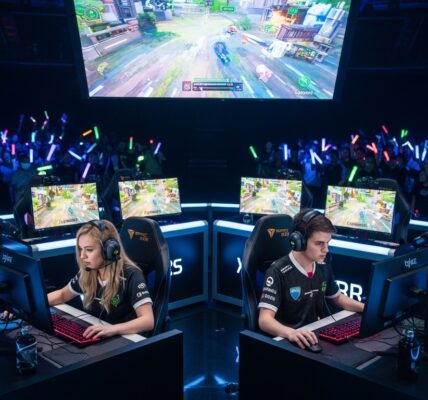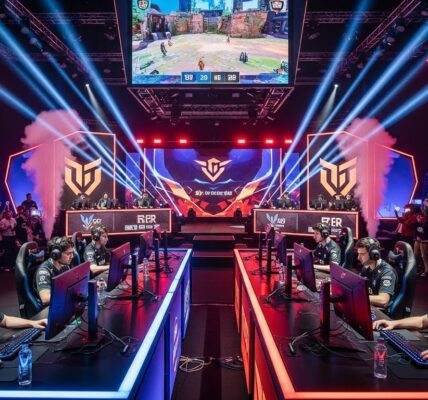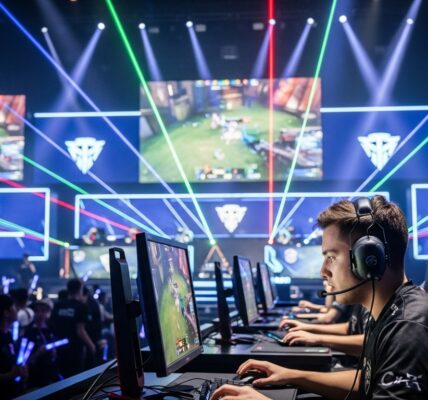


Esports, short for electronic sports, has transformed from a casual hobby into a billion-dollar industry. What started as friendly competitions among gamers in arcades and local communities has evolved into organized professional leagues, international tournaments, and a massive spectator culture. Today, esports attracts millions of viewers worldwide, generates substantial revenue, and is recognized as a legitimate form of competitive entertainment.
In this blog, we explore the origins of esports, its evolution into a professional industry, the lives of esports athletes, the business and cultural impact of competitive gaming, and what the future holds for this fast-growing phenomenon.
Early Beginnings of Competitive Gaming
The history of competitive gaming dates back to the late 1970s and 1980s. Early video games like Space Invaders, Pac-Man, and Donkey Kong introduced the concept of high score competition. Players would flock to arcades to challenge each other, striving to top the local leaderboards. These early competitions, though informal, laid the foundation for structured gaming tournaments in the future.
In the 1990s, multiplayer games on personal computers transformed competitive gaming. Titles such as Quake, StarCraft, and Counter-Strike emphasized skill, strategy, and teamwork. South Korea played a pivotal role in popularizing esports during this era, particularly through StarCraft tournaments that were broadcast on television. This period established the principles of esports: organized competition, individual skill, team coordination, and audience engagement.
The Growth of Esports in the 2000s
The 2000s marked a critical period of growth for esports, largely fueled by the rise of broadband internet and online gaming platforms. High-speed connectivity enabled players to compete in real-time with opponents worldwide, removing geographical barriers and creating global gaming communities.
During this period, games such as League of Legends, Dota 2, and Overwatch established professional leagues and structured competitive formats. Streaming platforms emerged, allowing fans to watch live matches, analyze gameplay, and engage with commentators. These platforms helped esports transition from a niche activity into mainstream entertainment.
International tournaments became increasingly popular, offering substantial prize pools and professional recognition. The combination of skill, strategy, and production value attracted new audiences, turning esports into a global cultural and economic phenomenon.
Structure and Organization of Professional Esports
Professional esports functions similarly to traditional sports. Players are typically part of teams or organizations that provide coaching, strategic guidance, and logistical support. Teams manage sponsorship deals, tournament participation, marketing, and public relations, allowing players to focus on improving performance.
Team-based games such as League of Legends involve specific player roles, including top lane, jungle, mid lane, support, and marksman. Each role requires a unique skill set and contributes to the overall team strategy. First-person shooter games like Counter-Strike: Global Offensive rely on roles such as entry fragger, sniper, and in-game leader, emphasizing coordination, speed, and precision.
Training is intensive, with professional players practicing six to ten hours daily. This includes individual skill development, team scrimmages, studying opponent strategies, and analyzing past matches. Physical and mental health are also prioritized, as maintaining reflexes, focus, and stamina is critical to peak performance.
Major Global Tournaments
Esports tournaments have grown in scale, production quality, and audience engagement. The Dota 2 International is one of the largest esports events, offering prize pools exceeding thirty million dollars. The League of Legends World Championship attracts millions of viewers and showcases top-tier gameplay, combining in-person stadium audiences with live online streams.
Other notable competitions include the Overwatch League, Fortnite World Cup, Call of Duty League, and CS:GO Majors. These events provide players with international recognition, massive fan followings, and career-defining opportunities. Tournaments feature multi-day formats, including group stages, playoffs, and grand finals, creating suspense and excitement for audiences.
These events are more than just competitions—they are cultural experiences. Fans celebrate victories, analyze strategies, and participate in community discussions. High production values, live commentary, and interactive fan engagement make these tournaments a central component of esports culture.
Esports as a Spectator Experience
Esports thrives as both a participatory and spectator experience. Fans are active participants, analyzing gameplay, discussing strategies, and engaging with communities. Unlike traditional sports, esports offers interactive features such as live chat, polls, and fan-driven commentary, allowing audiences to feel directly involved.
Streaming platforms like Twitch and YouTube Gaming have revolutionized how fans watch esports. Viewers can access live matches, replay highlights, and interact with professional players and commentators. Analysts break down gameplay, explain tactics, and predict outcomes, enhancing both entertainment and education for audiences.
Fantasy leagues, community tournaments, and online competitions allow fans to participate in the ecosystem, creating a sense of inclusion and investment in esports culture. This interactive approach sets esports apart from conventional sports and contributes to its rapid growth.
The Business of Esports
Esports is a multi-billion-dollar industry with diverse revenue streams. Sponsorships, advertising, media rights, ticket sales, merchandise, and in-game purchases all contribute to its financial success. Major brands recognize esports as a powerful marketing platform, particularly for younger audiences who consume content digitally.
Professional teams and players generate income from sponsorship deals, endorsements, and merchandise sales. Top players can earn salaries comparable to athletes in traditional sports, with additional revenue from tournament winnings and streaming. Event organizers invest heavily in production, venue setup, and broadcasting to attract viewers, sponsors, and partners.
The economics of esports continues to evolve. Streaming platforms, digital content, and online fan engagement have created a sustainable financial ecosystem, allowing the industry to expand globally while providing opportunities for players, teams, and creators.
Cultural Significance of Esports
Esports has made a profound cultural impact, especially among younger generations. It fosters global communities where fans share strategies, celebrate victories, and create lasting connections. These communities often include fan clubs, online forums, and social media groups, reflecting the social aspect of competitive gaming.
Esports challenges traditional notions of sports and athleticism. It demonstrates that skill, strategy, and teamwork are not limited to physical activity. Digital competition has become a respected form of athletic performance, with players gaining celebrity status and influencing mainstream culture.
The impact of esports extends into media, fashion, and entertainment. Professional players and content creators shape trends, inspire merchandise, and collaborate with music and film industries. Esports culture has become intertwined with broader pop culture, influencing global trends and entertainment practices.
Training, Discipline, and Mental Health
Professional esports requires discipline, focus, and rigorous training. Players dedicate hours daily to practice, team coordination, strategic planning, and studying opponents. Reflexes, precision, and rapid decision-making are honed through repetition, while collaboration and communication are essential for team-based games.
Mental health is a growing concern within the esports industry. High-pressure environments, public scrutiny, and extended practice hours can lead to burnout, stress, and anxiety. Professional organizations are increasingly providing resources such as counseling, wellness programs, and mental health support to ensure sustainable performance.
Physical health is equally critical. Regular exercise, ergonomic setups, proper nutrition, and adequate rest improve reflexes, concentration, and endurance. Many teams integrate fitness and wellness programs into their routines to maintain peak performance and prolong player careers.
Technology and Esports
Technology is the backbone of esports. High-performance computers, gaming peripherals, low-latency internet, and streaming software are essential for competition. Professional players rely on precise equipment to maximize accuracy, speed, and responsiveness.
Streaming technology allows millions of fans to watch matches in real time. Broadcasts include live commentary, player perspectives, analytics overlays, and interactive features. Advanced software enables teams to track performance metrics, analyze opponents, and develop winning strategies. Emerging technologies such as virtual reality and augmented reality are poised to enhance immersive gameplay experiences for both players and viewers.
Innovation in technology drives esports forward, creating new formats, expanding audiences, and increasing global accessibility.
Education and Career Opportunities
Esports has created educational and career opportunities beyond playing professionally. Roles in coaching, broadcasting, tournament organization, marketing, analytics, and game development are growing rapidly.
Universities and educational institutions now offer esports programs, combining gaming expertise with business, media, and technology training. Students can pursue careers as players, analysts, team managers, or content creators. Esports also fosters skills such as teamwork, communication, critical thinking, and leadership, which are transferable to other industries.
The industry’s growth ensures continued opportunities for those seeking careers in competitive gaming, media production, or esports management.
The Future of Esports
The future of esports is bright. Global expansion, technological innovation, and mainstream recognition indicate continued growth. Artificial intelligence, augmented reality, and virtual reality will create new ways to play, watch, and experience esports.
Esports may also achieve further legitimacy alongside traditional sports, with potential inclusion in international competitions and multi-sport events. The industry is expected to become increasingly inclusive, providing opportunities for players of all genders, backgrounds, and abilities.
The combination of skill, strategy, technology, and entertainment ensures esports will remain dynamic and influential, shaping global culture for years to come.
Conclusion
Esports has evolved from a casual pastime into a worldwide phenomenon that influences culture, entertainment, and business. Combining skill, strategy, and technology, it engages millions of players and spectators globally.
The rise of esports demonstrates the power of digital media to create communities, foster engagement, and redefine competition. It challenges traditional definitions of sports, opens educational and career opportunities, and continues to shape global entertainment.
As technology and creativity advance, esports will continue to grow, innovate, and inspire, proving that competitive gaming is not just a trend but a defining element of modern entertainment.