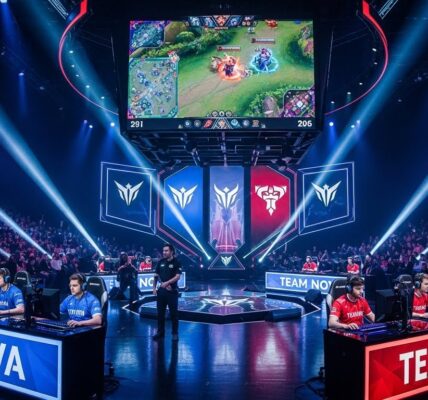


Esports has transformed the landscape of entertainment and competition in ways unimaginable just a few decades ago. What began as informal gaming competitions among friends has grown into a global phenomenon, drawing millions of viewers, creating professional careers, and shaping culture across continents. It represents a convergence of technology, competition, and entertainment, defining a new era of digital sports.
The growth of esports reflects more than just the popularity of video games—it illustrates the evolving relationship between technology and human interaction. Esports has created communities, careers, and entertainment experiences that transcend age, geography, and language. Its impact is felt in media, business, culture, and even education, highlighting the potential of digital platforms to redefine traditional concepts of sports and competition.
Origins and Early Development
Esports traces its roots to the earliest days of video gaming. In the late 1970s and early 1980s, arcade competitions and small-scale gaming tournaments brought players together to compete in titles like Space Invaders and Pac-Man. These events were largely informal, yet they planted the seeds for organized competitive gaming.
The introduction of personal computers and home consoles in the 1980s and 1990s expanded access to video games and allowed competitions to grow. Titles like Street Fighter, StarCraft, and Counter-Strike became foundational esports games, fostering competitive communities and establishing rulesets that are still relevant today. These early competitions emphasized skill, strategy, and teamwork, laying the groundwork for professional esports organizations.
Internet connectivity in the late 1990s further revolutionized competitive gaming. Online multiplayer games allowed players from around the world to compete in real time, creating global communities and introducing new forms of competition. The rise of LAN tournaments and early online leagues gave esports its first glimpse of professional organization and fan engagement.
The Emergence of Professional Esports
The 2000s marked the emergence of professional esports as a recognized career path. Professional players, teams, and leagues began to form, with sponsorships and prize money creating viable financial opportunities. South Korea became a pioneer in esports, particularly with the rise of StarCraft: Brood War, which captured the nation’s imagination and elevated competitive gaming to mainstream media coverage.
Broadcasting esports competitions on television and streaming platforms allowed fans to follow their favorite teams and players, further legitimizing esports as a professional pursuit. Organizations began recruiting players, creating training facilities, and establishing structured leagues. Professionalization introduced a level of discipline and strategy that mirrored traditional sports, with players dedicating hours to practice, strategy development, and teamwork.
Titles such as League of Legends, Dota 2, and Counter-Strike: Global Offensive cemented esports’ global presence, drawing massive audiences and creating high-stakes tournaments. Esports began to attract investment from mainstream sports organizations, media companies, and global brands, signaling that competitive gaming had become a major entertainment industry.
Esports as Entertainment
Esports is entertainment at its core, blending the thrill of competition with storytelling, drama, and fan engagement. Viewers are drawn to the skill, strategy, and personalities of players and teams, forming emotional connections that rival traditional sports fandom. Commentary, analysis, and live streaming enhance the experience, turning competitions into fully immersive entertainment events.
Streaming platforms like Twitch, YouTube Gaming, and others have transformed how audiences consume esports. Fans can watch live matches, interact with commentators, and engage directly with players through chat features and social media. This interactivity fosters community and enhances the entertainment value of esports beyond the games themselves.
Esports also intersects with music, fashion, and popular culture. Player entrances, live performances, and production design create spectacle, while collaborations with brands and celebrities expand its cultural reach. Competitions are not only about the game—they are immersive experiences that blend sport, entertainment, and digital culture into a single event.
Major Esports Titles and Their Impact
Different games have defined eras of esports and shaped its evolution. Each title brings unique mechanics, strategies, and communities, contributing to the diversity of the esports landscape.
League of Legends, developed by Riot Games, has become one of the most popular esports titles globally. Its structured leagues, world championships, and extensive fanbase set a standard for professional esports organization. The combination of teamwork, strategy, and individual skill makes it highly engaging for both players and spectators.
Dota 2, produced by Valve, is renowned for its complexity and high-stakes tournaments. Its international championship, The International, features multi-million-dollar prize pools, attracting global attention and showcasing the financial potential of competitive gaming.
Counter-Strike: Global Offensive represents the competitive shooter genre. Its emphasis on strategy, precision, and team coordination has made it a mainstay in esports tournaments worldwide. Its sustained popularity demonstrates the longevity of well-designed competitive titles in the esports ecosystem.
Other games, such as Overwatch, Fortnite, and Call of Duty, have expanded the esports audience by appealing to diverse demographics and creating innovative competition formats. Each game contributes to the richness and diversity of esports entertainment, offering unique viewing experiences and strategic depth.
Esports Tournaments and Global Events
Tournaments are the heartbeat of esports. They provide structured competition, showcase talent, and create spectacle for audiences worldwide. Events range from small local competitions to massive international championships, drawing millions of viewers and generating significant media attention.
The scale of modern esports tournaments rivals traditional sports events. Venues filled with cheering fans, elaborate stage productions, live commentary, and celebrity appearances transform competitions into immersive entertainment spectacles. The production value reflects esports’ growth as both a professional sport and a cultural phenomenon.
Global events like The International for Dota 2 and the League of Legends World Championship exemplify the grandeur of esports. Millions of viewers watch live streams, while online communities discuss strategies, outcomes, and highlights. These tournaments create shared experiences that unite fans across continents, demonstrating the global appeal of competitive gaming.
The Role of Streaming and Content Creation
Streaming has been instrumental in the rise of esports. Platforms like Twitch and YouTube allow players to broadcast live gameplay, interact with fans, and build personal brands. Streaming transforms esports from competition into a form of entertainment that is accessible to millions worldwide.
Content creation extends beyond live gameplay. Highlights, tutorials, analysis videos, and commentary enrich the audience experience, providing insight into strategies, skills, and the personalities of players. Esports creators have become celebrities in their own right, influencing culture, fashion, and social trends.
The interactivity of streaming creates a unique connection between players and fans. Audiences are no longer passive consumers; they actively participate in chat discussions, vote in polls, and engage with content in real time. This dynamic interaction distinguishes esports from traditional entertainment and fosters strong community bonds.
Esports and the Professional Athlete
Professional esports players face demands comparable to traditional athletes. Training schedules are rigorous, requiring hours of practice, strategy development, and physical and mental conditioning. Teamwork, communication, and quick decision-making are essential to success.
Esports organizations provide coaching, nutrition advice, and psychological support to optimize performance. The professionalization of esports mirrors traditional sports structures, including contracts, sponsorship deals, and competitive leagues. Players build personal brands through social media, streaming, and sponsorships, creating diverse revenue streams.
The dedication and discipline of professional esports players have challenged perceptions about competitive gaming. It is no longer considered a casual hobby; it is a legitimate career path requiring skill, strategy, and resilience. The success of professional players inspires a new generation of gamers to pursue esports as a serious endeavor.
The Economics of Esports
Esports has become a multi-billion-dollar industry, encompassing tournaments, sponsorships, media rights, merchandise, and content creation. The financial ecosystem supports players, teams, organizers, and technology platforms, making esports a significant driver of economic activity.
Corporate sponsorships play a crucial role in funding competitions and supporting players. Brands from technology, apparel, energy drinks, and even finance invest in esports to reach younger, digitally engaged audiences. Revenue from advertising, ticket sales, and digital subscriptions further sustains the ecosystem.
Prize pools for major tournaments have reached record levels, demonstrating the financial viability of competitive gaming. Multi-million-dollar championships are now commonplace, attracting global media coverage and investment. The economic growth of esports reflects its cultural significance and potential as a mainstream entertainment industry.
Community and Culture
Esports thrives on community. Fans, players, organizers, and content creators form interconnected networks that share knowledge, celebrate achievements, and shape culture. Online forums, social media groups, and fan events create spaces where people connect over shared passion for gaming.
The culture of esports emphasizes creativity, skill, and collaboration. Memes, fan art, cosplay, and commentary contribute to a vibrant ecosystem that extends beyond gameplay. Esports has developed its own traditions, rituals, and identity, creating a sense of belonging for participants and spectators alike.
Community engagement also fosters inclusivity. Efforts to promote diversity in esports are growing, encouraging participation from underrepresented groups and expanding the reach of competitive gaming globally. This inclusivity strengthens the cultural impact of esports and ensures its continued growth as a global phenomenon.
Technology and Esports
Esports is inseparable from technology. High-speed internet, powerful gaming hardware, streaming software, and analytics tools enable competition and entertainment at a professional level. Advancements in technology continue to shape the future of esports, enhancing gameplay, production quality, and audience engagement.
Virtual reality and augmented reality offer new possibilities for immersive experiences, while AI-driven analytics improve player performance and strategy development. Technology also enhances the spectator experience through interactive features, live statistics, and personalized content.
The integration of technology ensures that esports remains dynamic, innovative, and scalable. It allows competitions to reach global audiences, provides data-driven insights, and supports continuous improvement for both players and organizers.
The Future of Esports
The future of esports is bright and full of potential. As technology continues to advance, new forms of competition, immersive experiences, and fan engagement will emerge. AI, VR, and AR will create deeper connections between players and audiences, while global networks expand participation and accessibility.
Esports will continue to integrate with mainstream entertainment, including music, film, and traditional sports. Partnerships with media companies and technology platforms will enhance production quality and reach. The professionalization of esports will also deepen, with better training, support, and career development for players.
Education and esports are becoming increasingly intertwined, with institutions recognizing the value of competitive gaming in developing teamwork, strategy, and digital literacy. Scholarships, academies, and educational programs will support the next generation of esports talent.
As esports grows, it will maintain its unique identity: a digital, interactive, and culturally vibrant form of entertainment that bridges the gap between competition, creativity, and community.
Conclusion
Esports has evolved from humble beginnings into a global phenomenon, redefining what it means to compete, entertain, and connect in the digital age. It combines skill, strategy, community, and technology into a multifaceted experience that resonates with millions worldwide.
The rise of esports demonstrates the transformative power of digital platforms, showing that entertainment is no longer confined to traditional mediums. It is interactive, immersive, and globally accessible. Esports unites players and fans across continents, fosters creativity, and creates professional opportunities that rival traditional sports.
As technology and culture continue to evolve, esports will remain at the forefront of entertainment, innovation, and global connection. It is more than a game—it is a lifestyle, a career, and a cultural force shaping the future of how people play, watch, and engage with digital competition.
Esports is not just the sport of today; it is the entertainment of tomorrow, bridging communities, inspiring creativity, and redefining the global landscape of competition.