The Expanding Universe of Esports: How Digital Competition Redefined Modern Entertainment

Introduction: The Rise of a Digital Phenomenon
Over the last two decades, a remarkable revolution has transformed the world of entertainment and competition. What began as small gatherings of gamers competing in local arcade halls has grown into a global industry that rivals traditional sports in viewership, revenue, and cultural impact. Esports, short for electronic sports, is not just about playing video games; it is about skill, strategy, teamwork, and spectacle. The rise of esports has redefined what it means to be an athlete, a fan, and even an entertainer in the twenty-first century.
This massive evolution did not happen overnight. It was the result of technological advancements, community passion, and the gradual legitimization of gaming as a serious form of competition. From simple pixelated battles to stadiums filled with thousands of roaring fans, esports has become one of the defining movements of modern digital culture.
The Early Roots of Esports
To understand how esports became such a global force, we need to revisit its humble beginnings. The first known competitive video game event dates back to 1972 when students at Stanford University competed in a game called Spacewar. The winner received a subscription to a magazine rather than prize money, but that event planted the seed for what was to come.
During the 1980s, arcade games such as Pac-Man and Donkey Kong inspired competitive leaderboards, while the rise of console gaming introduced home-based tournaments among friends. However, true organized esports began to take shape in the 1990s, when local area network (LAN) parties and PC gaming tournaments brought together the first serious competitors.
Games like Doom, Quake, and StarCraft helped establish the foundation of professional gaming. These titles required lightning-fast reflexes, deep strategy, and countless hours of practice—traits that mirrored traditional athletic training. It was around this time that spectatorship began to emerge, with fans gathering in person or watching recorded matches.
The Internet Revolution and Global Expansion
The late 1990s and early 2000s marked the dawn of a new era for esports. The expansion of the internet connected players from around the globe, allowing competition to move beyond local gatherings. Online multiplayer games became the new frontier, and esports quickly evolved from a niche activity into a digital sport with massive potential.
Titles such as Counter-Strike, Warcraft III, and League of Legends became cornerstones of this transformation. These games emphasized teamwork and communication, which attracted organized teams, sponsors, and dedicated fan bases. Broadband internet allowed tournaments to be broadcasted live, giving rise to early streaming platforms that set the stage for what would later become mainstream entertainment.
By the early 2010s, esports had captured global attention. Countries like South Korea became hotspots of professional gaming, with players treated as celebrities and matches broadcast on national television. South Korea’s dominance in games such as StarCraft and League of Legends demonstrated that esports could achieve legitimacy and recognition as a professional discipline.
The Role of Technology in Esports Growth
Technology has been the backbone of esports since its inception. Improvements in hardware, graphics, and network infrastructure made high-performance gaming accessible to millions of players worldwide. The development of gaming PCs, consoles, and cloud-based gaming services created opportunities for new audiences to participate and compete.
Streaming platforms, particularly those focused on gaming, revolutionized how audiences engage with esports. Viewers could watch live matches, interact with commentators, and support their favorite players in real time. This interactivity made esports unique compared to traditional sports broadcasts.
Virtual reality, augmented reality, and artificial intelligence are also shaping the future of esports. These technologies not only enhance the gaming experience but also create immersive viewing environments that allow fans to feel part of the action. From 3D replays to AI-driven analysis, technology continues to elevate esports to new levels of sophistication.
The Evolution of Esports Genres
Esports is not limited to a single type of game. Over the years, different genres have emerged, each with its unique audience and competitive style.
First-Person Shooters (FPS): Games like Counter-Strike: Global Offensive, Call of Duty, and Overwatch emphasize precision, reflexes, and team coordination. FPS tournaments often attract millions of viewers who are drawn to the intensity and speed of gameplay.
Multiplayer Online Battle Arenas (MOBA): League of Legends and Dota 2 dominate this category, with each match combining strategy, teamwork, and high-level skill execution. These games have some of the largest prize pools in esports history.
Real-Time Strategy (RTS): Titles such as StarCraft II maintain a dedicated following due to their cerebral gameplay and the mental agility required to succeed. RTS games were among the earliest to be recognized as professional esports titles.
Battle Royale Games: The rise of games like Fortnite and PUBG introduced a new style of esports competition that combines survival mechanics with large-scale multiplayer action. These games are particularly popular with younger audiences.
Sports Simulations: Esports has also bridged the gap between digital and traditional sports through games like FIFA, NBA 2K, and Rocket League. These titles attract both gaming fans and followers of real-world sports.
The diversity of genres within esports ensures that there is something for every kind of player and viewer, reinforcing the industry’s universal appeal.
The Professional Esports Ecosystem
Behind every major esports event lies a complex and well-structured ecosystem. This includes teams, organizations, sponsors, broadcasters, and governing bodies working together to create a seamless competitive environment.
Professional players undergo rigorous training schedules similar to athletes in physical sports. Teams often live together in gaming houses or training facilities equipped with coaches, analysts, and psychologists. The focus is not only on improving mechanical skills but also on communication, strategy, and mental resilience.
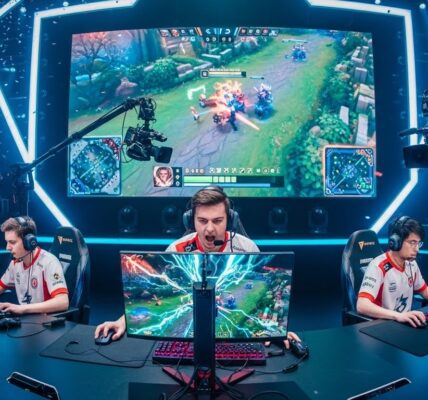
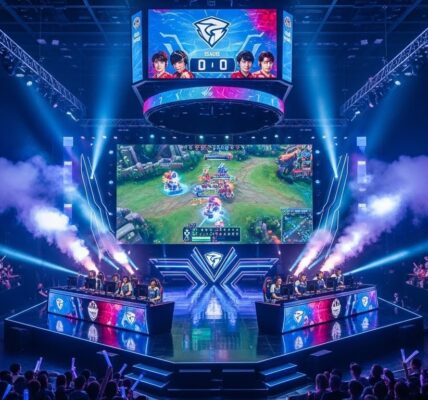
Tournaments and leagues are organized at local, regional, and international levels, offering prize pools that sometimes reach tens of millions of dollars. Major events, such as The International for Dota 2 or the League of Legends World Championship, attract viewership numbers that rival the biggest traditional sporting events.
Sponsors from technology, apparel, and beverage industries invest heavily in esports, recognizing the immense marketing potential of reaching digitally native audiences. As a result, professional players can earn substantial incomes through salaries, sponsorships, and streaming revenue.
The Cultural Impact of Esports
Esports has evolved from a subculture into a mainstream form of entertainment that influences music, fashion, and media. The crossover between gaming and popular culture is evident in collaborations between esports teams and major brands, as well as in the appearance of professional gamers in films and advertising campaigns.
Streaming personalities have become modern-day celebrities, building loyal fanbases that extend beyond their competitive careers. The line between professional gaming and content creation is increasingly blurred, giving players multiple avenues for success and recognition.
Esports has also fostered global connections among players and fans. Tournaments unite diverse audiences from different countries and cultures, breaking barriers and promoting inclusivity. Many young people view esports as an inspiring career path that combines passion, creativity, and community.
Esports in Education and Career Development
In recent years, educational institutions have started to recognize the value of esports beyond entertainment. High schools and universities around the world now offer esports programs, scholarships, and degrees related to gaming, management, and digital media.
These programs teach not only gaming skills but also important life lessons such as teamwork, leadership, and strategic thinking. Esports careers extend far beyond professional play; they include opportunities in event organization, game design, broadcasting, marketing, and coaching.
Students who once faced criticism for spending time gaming are now finding legitimate pathways to turn their passion into a profession. Esports education is bridging the gap between recreation and career, reshaping how society views gaming as a productive and skill-based activity.
The Economics of Esports
The financial growth of esports has been staggering. Industry revenues now reach billions annually, with projections continuing to rise as new markets emerge. The primary sources of revenue include sponsorships, media rights, merchandise sales, and ticketed events.
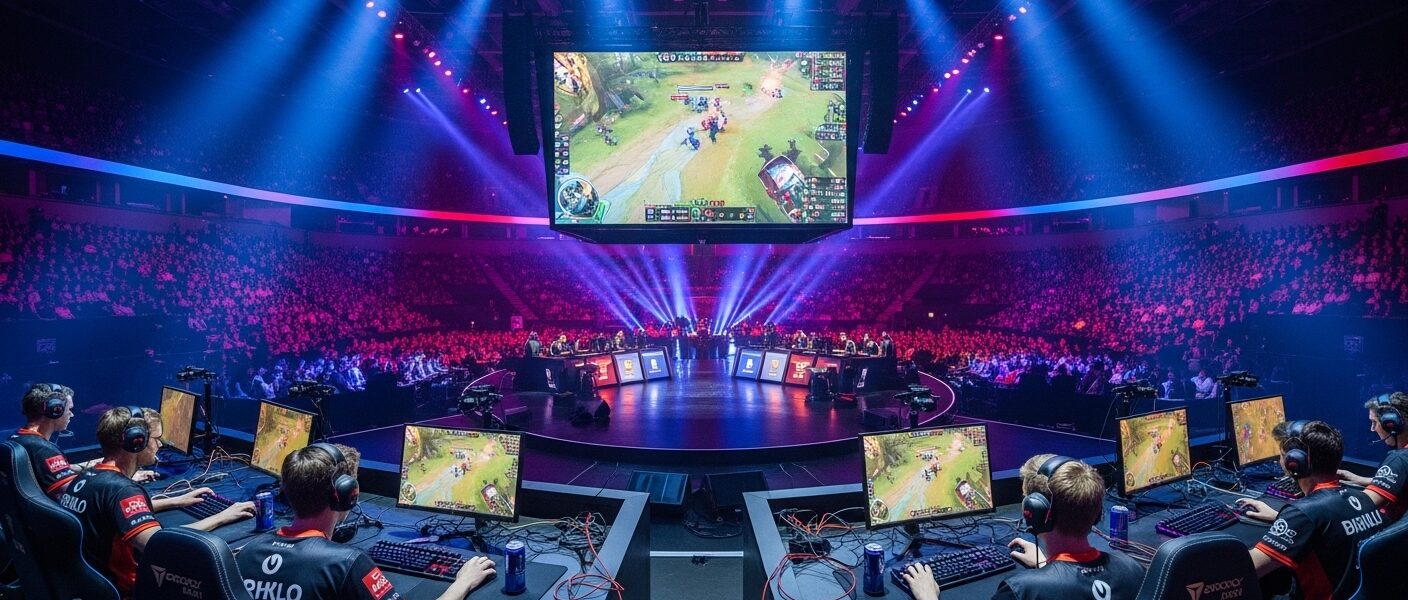
Major tournaments often take place in sold-out arenas, while millions more tune in online. Prize pools are growing rapidly, sometimes exceeding those of traditional sporting championships. This economic expansion has attracted investment from venture capitalists, sports franchises, and celebrities who recognize esports as a key part of future entertainment.
However, the industry also faces challenges such as maintaining player welfare, managing burnout, and ensuring financial transparency. As esports matures, organizations are working to establish fair regulations and sustainable business models that prioritize both profit and professionalism.
Esports and Traditional Sports: A New Rivalry or Partnership?
A common debate among fans and analysts is whether esports should be considered a real sport. While it lacks physical exertion, it demands extraordinary hand-eye coordination, cognitive speed, and mental endurance. Many traditional athletes and sports franchises now embrace esports, blurring the lines between the two worlds.
Several football and basketball clubs have formed their own esports divisions, competing in digital versions of their sports. This partnership not only expands fan engagement but also modernizes their brand image. Meanwhile, esports tournaments have begun adopting sports-style broadcasting, complete with commentators, analysis desks, and post-match interviews.
The synergy between esports and traditional sports highlights how both can coexist and learn from one another. Esports introduces innovation and youth appeal, while traditional sports contribute structure, professionalism, and legacy.
Challenges Facing the Esports Industry
Despite its meteoric rise, esports still faces significant challenges. One major concern is player burnout due to intense practice schedules and high pressure. Unlike traditional sports, esports careers tend to be short, often peaking before the age of 25.
Another issue is regulation. The global nature of esports makes it difficult to establish consistent rules, player rights, and anti-cheating measures. Match-fixing scandals and performance-enhancing software controversies have also raised concerns about integrity.
Additionally, maintaining diversity and inclusion within esports remains a work in progress. Women and minority players are often underrepresented or face discrimination, though positive efforts are being made to create safer and more welcoming spaces.
Finally, the dependence on specific game publishers creates instability. If a game loses popularity or its developer changes direction, entire competitive scenes can collapse. Building long-term sustainability requires balancing creative freedom with competitive stability.
The Future of Esports
Looking ahead, esports shows no signs of slowing down. The next decade promises even more integration with mainstream media, innovative technologies, and global collaboration. As virtual and augmented reality continue to develop, fans may soon be able to experience matches as if they are inside the game itself.
Esports is also expected to expand into emerging markets across Asia, Africa, and South America, bringing new players, languages, and cultures into the fold. The rise of mobile gaming will further democratize access, allowing anyone with a smartphone to compete at a professional level.
Moreover, the possibility of esports being included in major multi-sport events, such as the Olympics, reflects how far the industry has come. What was once dismissed as a hobby is now recognized as a legitimate global sport that embodies teamwork, technology, and talent.
Conclusion: The New Age of Competition
Esports has evolved into more than just competitive gaming—it represents the future of interactive entertainment, community engagement, and digital innovation. It stands as a testament to human creativity, where passion and technology unite to create something extraordinary.
From the earliest arcade battles to billion-dollar global tournaments, esports has reshaped how people play, watch, and connect. It has proven that competition can thrive in virtual spaces just as much as on physical fields. The players are the new athletes, the screens are the new arenas, and the fans are part of a movement that transcends boundaries.