

Introduction: The Unstoppable Rise of Esports
Esports has come a long way from its humble beginnings in the 1970s when competitive gaming was mostly confined to small LAN parties and college tournaments. Today, it is a multi-billion-dollar global industry with millions of fans, professional players, and dedicated teams. As technology continues to evolve, so does the world of esports, which is steadily reshaping the way we view entertainment, competition, and even careers.
While the term “esports” might still be foreign to some, it has quickly become a mainstream phenomenon, not only for those involved in gaming but for large companies, investors, and traditional sports organizations looking to tap into the growing digital market. This blog post will explore the rise of esports, its economic impact, the challenges it faces, and what the future holds for the industry.
The Origins of Esports: How Gaming Competitions Evolved
Esports can trace its roots back to the late 20th century when the first gaming tournaments started taking shape. The first recorded esports competition took place in 1972 at Stanford University with the game Spacewar!, where students competed for a prize of a year’s subscription to Rolling Stone magazine. While this early competition may seem quaint by today’s standards, it laid the groundwork for what would eventually become a global phenomenon.
The real explosion of esports came in the 1990s with the advent of internet-based multiplayer games. Titles such as StarCraft, Warcraft III, and Counter-Strike allowed players to compete against each other from different locations, fueling the rise of online tournaments. South Korea played a pivotal role in the esports boom during the early 2000s, where the government, television networks, and game developers collaborated to establish a professional ecosystem. This was the first time gaming competitions began resembling the structure of traditional sports leagues, complete with professional teams, sponsors, broadcasters, and huge prize pools.
As esports gained popularity, dedicated venues for tournaments were built, and games were streamed live on television and later, on the internet. By the time major esports events like the League of Legends World Championship and The International were launched, esports was well on its way to becoming a global phenomenon.
Esports Today: A Multi-Billion-Dollar Industry
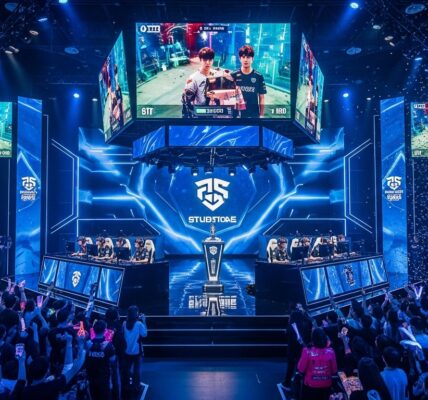
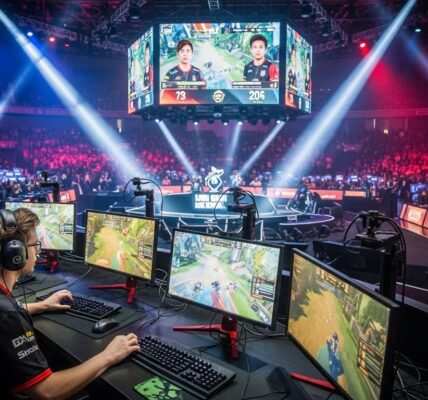
The modern esports ecosystem is far more sophisticated than it was two decades ago. Today, esports is a fully established industry that includes not only competitive players but also coaches, analysts, team managers, sponsors, event organizers, and broadcasters. Esports tournaments can attract millions of viewers both online and in-person, with some of the largest events being broadcast live on global television networks.
The industry generates billions of dollars annually, with the majority of revenue coming from sponsorships, advertising, media rights, ticket sales, and merchandise. Leading brands such as Coca-Cola, Intel, and Nike have invested heavily in esports, seeing the potential to connect with a younger, tech-savvy audience. Game publishers such as Riot Games, Blizzard Entertainment, and Valve have also played a crucial role in shaping the landscape by organizing and funding esports leagues and tournaments for their respective titles.
A significant contributor to the industry’s success is the rise of streaming platforms like Twitch, YouTube Gaming, and Facebook Gaming. These platforms have made it easier for players to stream their gameplay and interact with their audiences, creating personal brands in the process. For professional gamers, streamers, and influencers, this has become a legitimate source of income through sponsorships, donations, and ad revenue. This ability to build a direct relationship with fans has revolutionized the way content is consumed and monetized in the digital age.
Key Esports Titles and the Diversity of the Industry
One of the unique features of esports is its diversity in terms of game genres and the types of competitions that exist. There is no singular “esport,” but rather, a wide range of competitive games that appeal to different types of players and fans. Some of the most popular esports genres include:
- Multiplayer Online Battle Arenas (MOBAs): Games like League of Legends and Dota 2 are among the most popular and competitive games in esports. These games are typically played in 5v5 format, where teams control powerful heroes and battle against each other to destroy the opponent’s base. Both League of Legends and Dota 2 have massive global tournaments with prize pools reaching millions of dollars.
- First-Person Shooters (FPS): Titles such as Counter-Strike: Global Offensive, Call of Duty, and Valorant are staples in the esports FPS category. These games require quick reflexes, strategic teamwork, and precise aim. Tournaments for FPS games have been widely popular, with some events like the CS:GO Major and Valorant Champions Tour attracting huge online audiences.
- Real-Time Strategy (RTS): While somewhat less mainstream than MOBAs and FPS titles, RTS games like StarCraft II continue to have a dedicated following. These games focus on resource management and strategic combat, where players must outsmart and outmaneuver their opponents.
- Sports Simulations: Games like FIFA and NBA 2K have become prominent esports titles, with professional players competing for top honors in online leagues. These games simulate real-world sports and allow fans to engage with their favorite teams and athletes in a virtual space.
- Fighting Games: Fighting games like Street Fighter, Tekken, and Super Smash Bros. have long been a part of the competitive gaming scene. These games are known for their high skill ceilings and intense one-on-one matches, with tournaments like Evo drawing large crowds.
The diversity of game titles ensures that esports is appealing to a wide range of players and fans, from those who enjoy strategic thinking and team-based play to those who prefer fast-paced action and reflex-based competition.
The Cultural Impact of Esports
Esports has had a profound cultural impact, not only in terms of entertainment but also in shaping the way society views gaming as a whole. No longer viewed as a solitary or “nerdy” activity, gaming has become a social, communal experience. Esports has provided a platform for players to interact with their fans, develop global followings, and build lucrative careers from their passion.
Esports has also been embraced by mainstream media, with broadcasts of major tournaments being viewed by millions of people worldwide. Large-scale events like The International or The Fortnite World Cup are now televised and streamed on multiple platforms, often drawing audiences comparable to traditional sports events.
Moreover, universities and colleges have begun to recognize esports as a legitimate extracurricular activity, offering scholarships and forming competitive teams. This shift represents a broader acceptance of esports and gaming as a serious pursuit, both academically and professionally.
The Challenges Facing Esports
Despite its rapid growth, esports faces several challenges. One major issue is the physical and mental toll it takes on players. Many professional gamers train for hours each day, often experiencing burnout, injuries, and mental health struggles. The constant pressure to perform at the highest level can be overwhelming, and esports organizations are increasingly recognizing the need for player wellness programs, including mental health support, proper rest, and physical therapy.
Another challenge is the issue of accessibility. While esports has become more mainstream, the high cost of gaming equipment and the need for fast internet connections can make it difficult for individuals in certain regions or socioeconomic groups to participate. As a result, many regions lack competitive representation, limiting diversity in professional esports.
Finally, cheating and match-fixing continue to be significant concerns in the esports world. With the high stakes involved in many tournaments, dishonest practices can undermine the integrity of competitions. Tournament organizers and game developers are working hard to combat these issues by implementing anti-cheating measures and cracking down on match-fixing scandals.
The Future of Esports: Endless Possibilities
Looking ahead, the future of esports is incredibly promising. As technology continues to improve, so will the experience of both players and fans. The integration of virtual reality (VR) and augmented reality (AR) could completely revolutionize competitive gaming by creating even more immersive and interactive experiences.
Cloud gaming is also likely to play a significant role in the future of esports. With platforms like Google Stadia and NVIDIA GeForce Now, players will be able to access high-performance gaming without needing powerful PCs or consoles. This could democratize esports, making it more accessible to people around the world.
Furthermore, the continued collaboration between traditional sports organizations and esports leagues could lead to even more mainstream acceptance of esports. In the coming years, we may see esports incorporated into major sports events, such as the Olympics or the Commonwealth Games, as competitive gaming continues to blur the lines between digital and physical sports.
Conclusion: Esports is Here to Stay
Esports has firmly established itself as a dominant force in the entertainment world. With a growing fanbase, lucrative sponsorships, and increased cultural acceptance, it is clear that esports is more than just a passing trend. The industry continues to evolve, driven by technological advancements, new gaming experiences, and an ever-expanding global audience.
As esports grows in popularity, it will continue to inspire new generations of gamers, content creators, and professionals. The future of esports is bright, and it will undoubtedly play a central role in shaping the digital landscape for years to come.