
Introduction: Esports – A New Era of Competitive Gaming
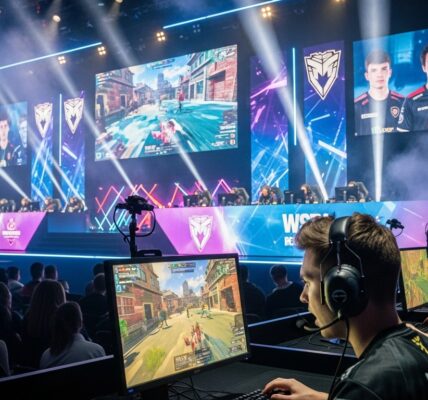
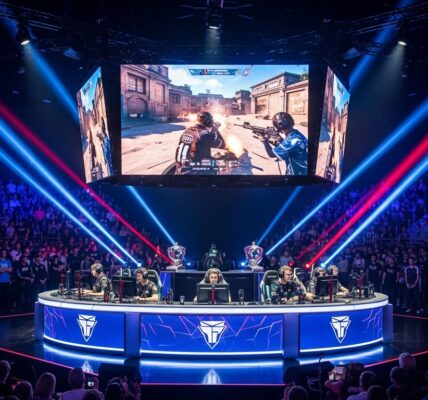
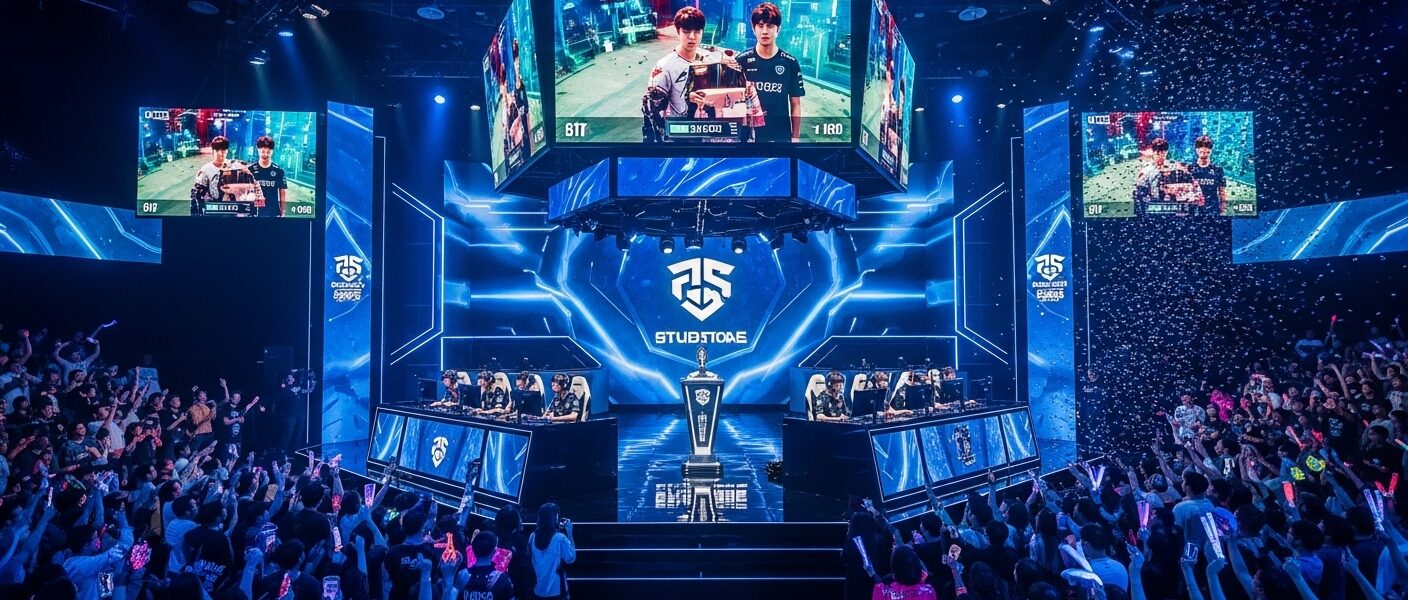
In recent years, esports has transformed from a subculture of avid gamers into a global entertainment phenomenon. What started as small online tournaments in the 1990s has evolved into a massive industry with millions of fans, professional teams, and multi-million dollar prize pools. Today, esports is as influential and popular as traditional sports, attracting not only players but also investors, broadcasters, and a growing audience of fans who tune in from around the world.
Esports, or electronic sports, involves organized, multiplayer video game competitions, particularly between professional players, individually or as teams. The rise of esports has been fueled by several factors, including the global proliferation of high-speed internet, the growth of streaming platforms like Twitch, and the increasing recognition of gaming as a legitimate career. With the development of new gaming titles and professional leagues, esports is now a driving force in digital entertainment, bringing new opportunities for players, fans, and businesses alike.
This blog post delves into the evolution of esports, the impact it has on the gaming and entertainment industries, and the future potential of competitive gaming.
The Early Days: The Genesis of Competitive Gaming
Esports has roots that stretch back to the 1970s when the first organized video game tournaments began. One of the earliest events was the “Space Invaders Championship” held in 1980, which was created to promote the arcade game Space Invaders. Although these early tournaments were modest in scale and participation, they laid the groundwork for the competitive gaming scene that would emerge decades later.
However, it wasn’t until the 1990s that esports began to take shape as we know it today. The rise of PC gaming and the internet provided the ideal environment for multiplayer games to flourish. Games like Quake, StarCraft, and Warcraft attracted competitive players who participated in regional and international tournaments. These games offered the first glimpse of the competitive potential of online gaming, with titles like StarCraft gaining a massive following in South Korea, which is still one of the global hubs for esports today.
By the early 2000s, games like Counter-Strike and Warcraft III became staples in the esports scene. These games introduced team-based strategies, tactical gameplay, and professional competition, elevating esports to a new level. Major tournaments, such as the World Cyber Games (WCG) and the Cyberathlete Professional League (CPL), began to bring together top players from around the globe to compete for titles and cash prizes.
The Professionalization of Esports: From Amateur to Big Business
The real turning point for esports came in the late 2000s with the rise of new, groundbreaking titles that offered a more streamlined and professional experience. League of Legends, released in 2009, became a key driver of esports’ growth. Riot Games, the developer behind League of Legends, created the first truly organized esports league, the League of Legends Championship Series (LCS), which set the standard for professional esports competitions. The success of League of Legends sparked the creation of similar professional leagues for other popular titles, including Dota 2, Overwatch, and Counter-Strike: Global Offensive.
The professionalization of esports also meant a shift from casual players to dedicated, full-time professionals. Esports teams began to form, with sponsors and investors backing players who now had the opportunity to make a career out of competitive gaming. These teams invested in coaching staff, analysts, and player development programs, just like traditional sports teams. This level of professionalization allowed the esports industry to attract major sponsorship deals, partnerships, and media coverage, further legitimizing competitive gaming as a mainstream form of entertainment.
The Role of Streaming and Digital Platforms
A major factor in the growth of esports has been the rise of streaming platforms, particularly Twitch, which launched in 2011. Twitch revolutionized how gamers and esports fans engage with competitive gaming, providing a platform for streamers to broadcast their gameplay in real-time to audiences around the world. Esports tournaments began to be streamed live, attracting large audiences who would watch professional players compete for cash prizes.
In addition to Twitch, YouTube and Facebook Gaming also began investing in esports streaming, helping to expand the reach of competitive gaming. These platforms allowed fans not only to watch live tournaments but also to engage with players, teams, and fellow fans through chat features, live commentary, and social media integration.
The accessibility of streaming has helped break down barriers, allowing fans to follow esports events from the comfort of their homes. With millions of viewers tuning in to watch major tournaments like The International (Dota 2’s annual world championship), League of Legends Worlds, and Overwatch League, esports has found its place as a mainstream entertainment experience.
Esports: The Global Phenomenon
Today, esports is a global industry, with professional leagues, tournaments, and fans all around the world. Asia, particularly South Korea and China, has long been the epicenter of esports, where games like StarCraft, League of Legends, and Dota 2 have amassed enormous followings. South Korea is home to some of the most successful esports organizations and is known for its dominance in competitive gaming. StarCraft alone became a national sport, with players achieving celebrity status.
In North America and Europe, esports has exploded in popularity in recent years, driven by large-scale tournaments, mainstream media coverage, and growing sponsorships from top brands. Cities like Los Angeles, Berlin, and London now host major esports events, and teams based in these cities draw international attention. Esports organizations, such as Team Liquid, Cloud9, and Fnatic, have players from around the world and represent their countries in international tournaments.
The Olympic movement has also taken notice of esports. In 2021, the International Olympic Committee (IOC) held its first esports competition as part of the Olympic Virtual Series. While esports has yet to become an official Olympic sport, the IOC’s engagement with esports signals the growing influence and recognition of competitive gaming.
The Business of Esports: Sponsorships, Investments, and Prize Pools
Esports is not just a hobby; it’s a billion-dollar industry. The business side of esports has seen incredible growth, driven by sponsorships, media rights, ticket sales, and merchandising. Major brands like Coca-Cola, Intel, and Red Bull have become key sponsors of esports events and teams. These brands see esports as a way to reach younger, tech-savvy audiences who are increasingly disengaged from traditional sports.
In addition to sponsorships, media rights have become a significant source of revenue for esports organizations. Platforms like Twitch, YouTube, and traditional broadcasters are paying big money for the rights to stream major tournaments. As viewership grows, these media deals become even more lucrative, with tournaments like The International and League of Legends Worlds commanding millions of dollars in broadcasting rights.
Prize pools for esports tournaments have also reached eye-watering amounts. For instance, the prize pool for The International 2021 reached over $40 million, making it the largest esports prize pool in history. These massive payouts attract top talent and inspire aspiring players to pursue esports as a career.
The Impact of Esports on Youth Culture and Education
One of the most significant cultural impacts of esports has been on youth. Esports has introduced a new form of entertainment that resonates with digital natives and has created new career opportunities for young people. Competitive gaming is seen by many as a legitimate career path, with scholarships for esports players now available at universities and colleges. Several universities have even started offering esports programs, where students can learn not only about gaming but also about the business, marketing, and broadcasting aspects of the industry.
Esports has also contributed to the broader acceptance of gaming as a social activity. Online multiplayer games have become a way for friends to connect and collaborate, fostering social interactions among players from diverse backgrounds and geographical locations. In a world where digital socialization is increasingly common, esports provides an inclusive environment where people can bond over shared interests and skills.
Moreover, esports encourages important life skills such as teamwork, communication, and strategic thinking. Players must learn to work together in high-pressure environments, communicate effectively with teammates, and make quick decisions during intense matches. These transferable skills are not only valuable in gaming but also in real-life situations, including the workplace.
The Future of Esports: What Lies Ahead?
The future of esports looks incredibly bright, with the industry expected to continue growing at a rapid pace. New technologies, such as virtual reality (VR) and augmented reality (AR), have the potential to revolutionize the gaming experience, creating even more immersive and interactive esports events. As esports becomes more integrated with mainstream culture, we can expect to see further innovations in broadcasting, fan engagement, and content creation.
The continued professionalization of esports will also see an increase in investment, sponsorship, and infrastructure. With more money pouring into the industry, players will receive higher salaries, teams will have better resources, and tournaments will offer even bigger prize pools.
As esports expands globally, the diversity of games being played in competitive settings will also increase. While games like League of Legends and Counter-Strike dominate the scene now, we can expect to see new games rise to prominence, creating new competitive ecosystems and fanbases.
Conclusion: Esports – The Future of Competitive Entertainment
Esports has come a long way from its humble beginnings as a niche hobby. Today, it stands as a global entertainment industry, with professional players, massive tournaments, millions of fans, and significant revenue streams. The digital revolution has turned competitive gaming into a mainstream spectacle, offering new opportunities for players, fans, and businesses.