
Introduction: A Game-Changer in the World of Sports
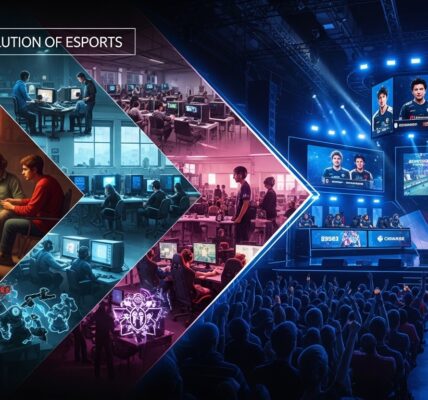
In recent years, esports has evolved from a niche pastime into a massive global phenomenon. What was once seen as a mere hobby is now a multi-billion-dollar industry, attracting millions of fans, professionals, and sponsors alike. The appeal of esports goes beyond just the games themselves; it taps into the growing interest in digital culture, competitive spirit, and entertainment. So, what exactly is driving this explosive growth, and why has esports become such a dominant force?
What is Esports?
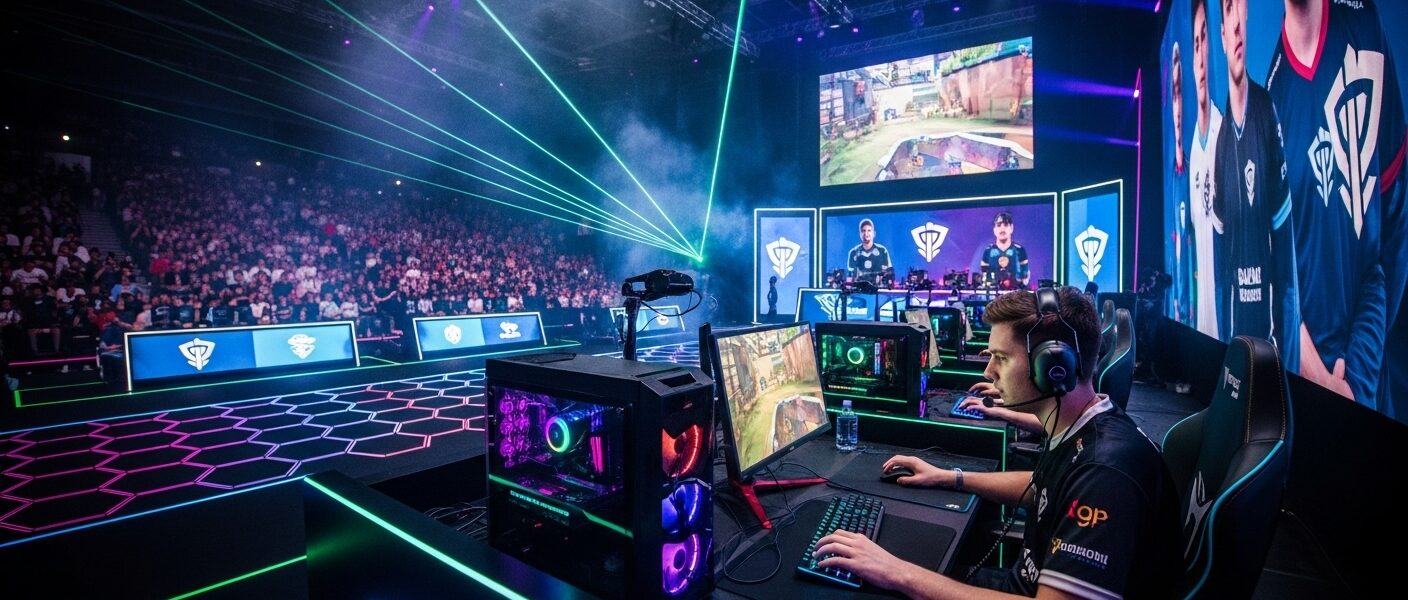
Esports, short for electronic sports, refers to organized, multiplayer video game competitions. These competitions are usually held in front of live audiences, with players or teams battling for large prize pools. The most popular games in esports include League of Legends, Dota 2, Counter-Strike: Global Offensive, Fortnite, and Valorant. These games require not only skill and strategy but also teamwork, communication, and mental endurance.
Esports differs from casual gaming in that it is highly competitive and often structured around leagues, tournaments, and professional teams. It’s not just about playing a game; it’s about performing at the highest level, often in front of an audience, both physically and digitally.
The Growth of Esports: A Cultural Shift
Esports’ rapid rise to prominence can be attributed to multiple factors. The accessibility of high-speed internet and powerful gaming PCs has made it easier for people to participate in online gaming. Furthermore, streaming platforms like Twitch and YouTube have allowed gamers to build large followings, enabling them to turn their passion for gaming into full-time careers.
This accessibility has contributed to esports’ massive appeal across the globe. It’s not limited by geography or age—fans and players come from all corners of the world. From watching tournaments in packed arenas to streaming live matches on platforms, esports has developed a global community that transcends borders and connects fans of all backgrounds.
The Economics of Esports
Esports is no longer just about playing games—it’s an industry in its own right. The business side of esports has exploded over the past decade. Sponsorships, broadcasting rights, merchandise sales, and advertising have become significant revenue streams. Brands like Coca-Cola, Intel, and Mercedes-Benz have poured millions into sponsoring events and teams, recognizing the immense potential of reaching a younger, digitally engaged audience.
Top-tier esports organizations and teams now operate like traditional sports franchises, with dedicated coaches, managers, and analysts working behind the scenes to help players perform at their best. Prize pools for major tournaments can reach into the millions, with the biggest tournaments, such as The International (for Dota 2), offering some of the highest payouts in competitive gaming.
The Players: Athletes of the Digital Age
Professional esports players are some of the most skilled individuals in the world of gaming. Becoming an elite player requires thousands of hours of practice, refined strategies, and exceptional mental focus. The life of an esports athlete can be grueling, with long hours of training, scrims (practice matches), and participation in tournaments. But like traditional athletes, esports players must also be physically fit. Reactions times, hand-eye coordination, and mental clarity all play a crucial role in their success.
Players in esports not only compete but also engage with their fanbases through social media and live streams. Their personalities and skills help cultivate a dedicated following, making them celebrities in their own right. With the rise of streaming platforms, many players are able to monetize their audience, earning money from advertisements, sponsorships, and fan donations.
Esports and Its Impact on Traditional Sports
One of the most fascinating aspects of esports is its growing influence on traditional sports. Esports has brought a new wave of fans into the realm of competitive sports, and many traditional sports teams and leagues are beginning to invest in esports. Football clubs like Manchester City and Barcelona, for instance, have their own esports teams, tapping into the younger generation of fans who might not be as engaged with traditional sports.
Moreover, the success of esports has led to discussions about its potential inclusion in the Olympic Games. While still a topic of debate, the inclusion of esports in global sporting events would mark a monumental shift in how digital competition is viewed alongside physical sports.
Challenges and Future Prospects
Despite its growth, esports faces several challenges. Player burnout is one of the biggest concerns, as the intense training and pressure to perform can take a toll on players’ mental and physical health. Additionally, the esports industry is still relatively young, and there’s a lack of universal regulation and standardized practices in many areas.
Furthermore, issues of inclusivity are still prevalent. Although esports is seen as a more inclusive space compared to traditional sports, women and underrepresented groups continue to face barriers in terms of visibility, support, and opportunity. Efforts are being made to address these disparities, but more work is needed to create a truly equitable environment for all players.
The Future of Esports: Infinite Possibilities
Looking forward, the future of esports seems bright. As technology continues to advance, esports will likely evolve in ways we can only imagine today. The rise of virtual reality (VR) and augmented reality (AR) could redefine how players experience games, making the competitions even more immersive for players and spectators alike.
With more investment from mainstream media, traditional sports organizations, and educational institutions, esports is set to become a central pillar in global entertainment. Universities now offer scholarships for esports athletes, and there are even professional coaching programs aimed at helping players refine their skills and build careers within the industry.
Conclusion: A Digital Playground for the Future
Esports has transformed from a hobby into a thriving global ecosystem. Its meteoric rise has changed the way we think about competition, entertainment, and even sports. With millions of fans worldwide, lucrative career opportunities, and endless potential for innovation, esports is no longer just a game—it’s a cultural revolution. As it continues to evolve, esports will undoubtedly play an even bigger role in shaping the future of entertainment.