

Introduction: The Digital Evolution of Competition
In the past few decades, the world of competition has transcended traditional physical boundaries to enter the realm of digital battles. Esports, or competitive video gaming, has surged from niche gatherings to a multi-billion dollar global phenomenon. What once was considered a casual pastime has evolved into a professional sport with massive audiences, lucrative sponsorships, and cultural significance.
This blog post delves into the origins of esports, explores its current landscape, examines the factors fueling its explosive growth, discusses challenges it faces, and glimpses into its promising future. Whether you are a gamer, fan, or simply curious about this phenomenon, this journey into esports reveals why it is reshaping how we define competition and entertainment.
The Roots of Esports: From Arcades to Online Arenas
Esports has deep roots dating back to the early days of video gaming. In the late 1970s and 1980s, video games were primarily played in arcades, where players often competed for high scores on popular machines. These contests were informal but ignited the spirit of competition among gamers.
One of the first notable competitive gaming events was the Space Invaders Championship held in 1980, drawing thousands of participants and marking a milestone in organized gaming competitions. Despite this early spark, esports remained a relatively underground activity for years.
The 1990s ushered in a transformative era with the rise of PC gaming and local area networks. Titles like Doom and Quake introduced fast-paced multiplayer battles, allowing players to compete in real-time across connected computers. This period saw the emergence of grassroots tournaments, often hosted by gaming communities and universities, setting the foundation for the esports infrastructure we see today.
The Internet Revolution and the Birth of Global Esports
The true explosion of esports occurred with the widespread adoption of the internet in the late 1990s and early 2000s. Online connectivity enabled players from different parts of the world to compete with each other without geographic limitations. Multiplayer games such as StarCraft and Counter-Strike became the flagship titles that defined early esports competitions.
Simultaneously, the development of streaming technology revolutionized how esports was consumed. Platforms designed for broadcasting gameplay allowed fans to watch live matches and interact with commentators and other viewers in real-time. This transformed esports into a spectator sport, drawing audiences comparable to traditional sports.
Game developers recognized this growing audience and began investing in esports ecosystems. They hosted official tournaments with sizable prize pools and collaborated with broadcasters to improve production quality, which helped attract sponsors and mainstream media attention.
The Structure of Esports: Players, Teams, and Tournaments
Esports is a complex ecosystem involving various stakeholders working together to create competitive experiences.
Professional players are at the heart of esports. These individuals dedicate countless hours to training, developing game-specific skills, and mastering strategies. Unlike traditional sports, esports athletes often start young due to the reflexive and cognitive demands of gaming, with many professional careers peaking before the age of 30.
Teams and organizations provide infrastructure and support for players. Much like traditional sports franchises, they offer coaching, management, sponsorship deals, and training facilities. Prominent teams often compete across multiple games to maximize their reach and brand presence.
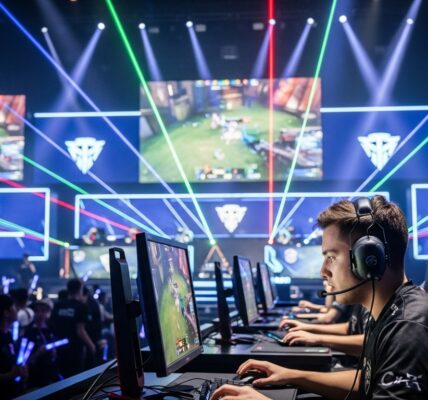
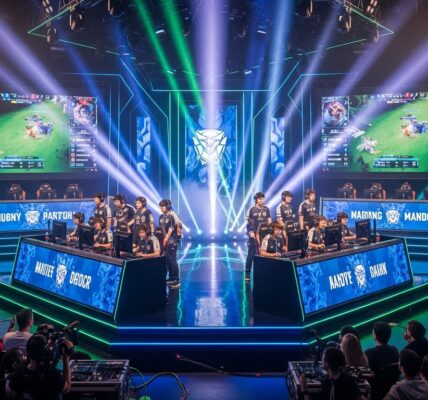
Tournaments vary in size and format. Some are small community events, while others are massive international spectacles held in arenas. Esports leagues have also been established to create ongoing competition and fan engagement, featuring city-based teams and seasonal play similar to conventional sports leagues.
Fans are an essential part of this ecosystem. They engage with esports not only by watching matches but also by following players on social media, participating in online forums, and attending live events. The interactive nature of esports enhances this relationship, fostering vibrant communities around games and teams.
Economic Impact: The Business Powering Esports
The growth of esports has led to a thriving industry generating billions of dollars each year.
Sponsorships and advertising play a significant role in this economy. Brands ranging from tech companies to consumer goods sponsor tournaments, teams, and individual players. These partnerships offer companies exposure to a highly engaged and youthful audience.
Media rights for broadcasting tournaments also contribute substantially to esports revenue. As production quality increases, broadcasters can attract more viewers and advertisers. Additionally, streaming platforms often share advertising income with content creators and organizers.
Ticket sales from live events are another important revenue stream. Major esports tournaments now fill stadiums worldwide, where fans gather to witness competitions firsthand. Merchandise sales, including branded apparel and collectibles, further support teams and organizations.
In-game purchases related to esports events provide a unique revenue channel. Developers often release special skins or items tied to tournaments, which players can buy to show support for their favorite teams or to commemorate events.
Investment in esports is growing rapidly. Traditional sports franchises, celebrities, and venture capitalists are increasingly entering the space, viewing it as a high-growth industry with substantial potential.
Cultural Significance: How Esports is Changing Society
Esports is more than just competition; it is a cultural movement reshaping how people connect and express identity.
One of the most striking features of esports is its global reach. Players and fans from diverse countries and backgrounds come together, transcending linguistic and cultural barriers. Online platforms create inclusive spaces where shared passion unites communities worldwide.
The perception of gaming is shifting. Once stigmatized as a frivolous hobby, gaming and esports are now recognized as legitimate pursuits requiring skill, dedication, and strategic thinking. Educational institutions are offering scholarships and programs related to esports, and some governments are beginning to acknowledge esports athletes with official status.
Diversity and inclusion remain ongoing challenges, but progress is evident. Female players, LGBTQ+ individuals, and players from underrepresented regions are gaining visibility and respect within the community. Initiatives promoting safe and respectful environments are increasingly prioritized.
Esports also offers new career paths beyond playing. Roles in coaching, broadcasting, event management, marketing, and technology development are expanding, creating a broader ecosystem for people passionate about gaming and competition.
Challenges Facing Esports: Navigating Growth and Sustainability
Despite its rapid growth, esports faces significant challenges that must be addressed to ensure long-term success.
Player health is a major concern. The intense demands of training and competition can lead to physical issues such as repetitive strain injuries, as well as mental health struggles including burnout and stress. Developing balanced routines and providing adequate support is crucial.
The dependency on specific games creates volatility. Esports organizations and players can be severely affected if a game loses popularity or developer support. Diversifying across multiple titles is a strategy to mitigate this risk.
Regulation and governance are still evolving. Unlike traditional sports, esports lacks a universal governing body, which complicates enforcing standardized rules, contracts, and anti-cheating measures. Industry leaders are working toward establishing frameworks to protect players and maintain fair competition.
Monetization ethics also raise concerns. Balancing commercial interests with fair play and player well-being requires vigilance, particularly regarding gambling, microtransactions, and the potential for exploitative practices.
Infrastructure disparities limit global participation. In many parts of the world, access to reliable internet, quality hardware, and organized competitions remains a barrier. Addressing these gaps is essential for esports to fulfill its inclusive promise.
The Future of Esports: Trends and Innovations on the Horizon
Esports continues to evolve, driven by technological innovation and cultural shifts.
Mobile esports is rapidly expanding, especially in regions where smartphones are the primary gaming device. Mobile-friendly competitive games attract vast audiences, opening new markets for esports.
Immersive technologies like virtual reality and augmented reality hold promise to revolutionize the viewing and playing experience, making esports more engaging and interactive.
Artificial intelligence is becoming a powerful tool for teams, helping analyze gameplay and develop strategies, as well as enhancing broadcast production with advanced analytics.
Cross-platform and cross-game competitions may broaden competitive landscapes, allowing more players to participate regardless of hardware or game preferences.
Sustainability efforts are gaining momentum, focusing on player health, environmental impacts of events, and ethical governance to ensure the industry’s responsible growth.
Conclusion: Embracing the Digital Future of Competition
Esports has emerged as a transformative force, blending technology, culture, and competition into a global phenomenon. Its rise from humble beginnings to international prominence illustrates the power of digital innovation to reshape traditional concepts of sport and entertainment.
The journey of esports is ongoing, with new challenges and opportunities on the horizon. As it continues to mature, esports will not only redefine competition but also foster communities, careers, and cultural exchange across the globe.
For anyone intrigued by gaming, competition, or the future of entertainment, esports offers a fascinating and dynamic world to explore. Beyond the screen, it invites us all to witness and participate in the revolution of digital competition.