

Esports, short for electronic sports, has rapidly transformed from a niche hobby into a billion-dollar global industry that rivals traditional sports in viewership, sponsorship, and cultural influence. Over the last two decades, the competitive gaming world has evolved into a structured and highly professional ecosystem, complete with leagues, teams, sponsorships, coaches, and millions of devoted fans. What was once a pastime enjoyed in basements and arcades has become a mainstream entertainment powerhouse, filling stadiums and streaming platforms worldwide.
In this deep dive, we explore the evolution of esports, the factors that have driven its rise, the games and players that shaped it, and how it is reshaping the future of competition and entertainment.
The Origins of Competitive Gaming
The roots of esports can be traced back to the early days of arcade gaming in the 1970s and 1980s. The first known video game competition took place in 1972 at Stanford University, where students competed in the game “Spacewar.” The grand prize? A year’s subscription to Rolling Stone magazine. Though humble by today’s standards, this event laid the groundwork for the concept of organized video game competition.
As the arcade era blossomed in the 1980s, games like Pac-Man and Donkey Kong inspired a generation of competitive players. Arcade leaderboards became battlegrounds for local bragging rights. Players would spend hours and quarters trying to achieve the highest possible scores, and soon, magazines began publishing world records for various games. These early competitions were not yet the global spectacles we see today, but they planted the seeds of community and competition that would eventually define esports.
The 1990s marked a turning point with the rise of home consoles and local multiplayer gaming. Titles like Street Fighter II and Mortal Kombat brought competitive play into living rooms and arcades alike. Meanwhile, the emergence of the internet in the late 1990s made it possible for players to compete remotely, connecting gamers across continents for the first time. This era gave birth to early esports tournaments such as the Cyberathlete Professional League and QuakeCon, both of which helped establish competitive gaming as a legitimate pursuit.
The Internet Revolution and the Birth of Modern Esports
The early 2000s marked the dawn of modern esports. With the growth of broadband internet, PC gaming became more accessible, and online multiplayer games started to dominate. Titles like Counter-Strike, Warcraft III, and StarCraft: Brood War became staples of competitive play, especially in regions like South Korea, where professional gaming gained cultural legitimacy far earlier than in the West.
In South Korea, StarCraft became a national phenomenon. Televised matches, sponsorships, and dedicated training facilities for professional players became common. Gamers like Lim “BoxeR” Yo Hwan achieved celebrity status, paving the way for esports to be recognized as a legitimate career path. The infrastructure developed during this time — from professional teams to organized leagues — became a model that other regions would later emulate.
Meanwhile, in the West, LAN parties and early tournaments like the World Cyber Games and Major League Gaming (MLG) introduced esports to new audiences. As more games integrated online functionality, competitive communities formed organically around titles like Halo, Call of Duty, and Dota. Esports was no longer a fringe activity; it was becoming an organized, professional scene.
The Streaming Era and Global Expansion
The most significant catalyst for esports’ explosion came with the rise of live-streaming platforms. Services like Twitch and YouTube Gaming revolutionized how audiences consumed gaming content. No longer did fans have to attend physical events or wait for recorded broadcasts; they could now watch their favorite players and teams live, interact with them in chat, and become part of a global community.
This shift fundamentally changed the nature of esports. It was no longer just about the games—it was about personalities, stories, and the shared excitement of competition. Streamers and professional players built massive followings, turning esports into a form of participatory entertainment. The accessibility of live streaming also democratized exposure; small tournaments could now reach global audiences, and niche games could cultivate dedicated fan bases.
Games like League of Legends, Dota 2, and Counter-Strike: Global Offensive became cornerstones of the esports world during this era. Each developed its own ecosystem of professional leagues, international tournaments, and multi-million-dollar prize pools. Riot Games’ League of Legends World Championship began filling stadiums, while Valve’s The International offered record-breaking prize money, thanks to community-funded prize pools.
The Business of Esports
As audiences grew, so did commercial interest. Esports evolved into a lucrative industry attracting sponsorships from global brands, investments from traditional sports organizations, and partnerships with media networks. According to industry analysts, global esports revenue has surpassed the billion-dollar mark, driven by sponsorships, advertising, media rights, merchandise, and ticket sales.
Traditional sports teams and celebrities began investing in esports organizations, blurring the lines between conventional and digital sports. NBA franchises launched their own esports teams, and football clubs in Europe began competing in games like FIFA. This crossover not only legitimized esports but also expanded its appeal beyond gaming enthusiasts to mainstream audiences.
Esports organizations such as Fnatic, Team Liquid, and T1 now operate like professional sports franchises, complete with marketing departments, coaches, analysts, and training facilities. Player contracts, salaries, and transfer negotiations mirror those found in traditional sports. The professionalization of the industry has also led to discussions around player rights, mental health, and sustainable career paths — issues that further validate esports as a mature and evolving field.
Iconic Games That Shaped Esports
Every era of esports has been defined by certain games that captured the imagination of players and audiences alike. StarCraft laid the foundation, but it was soon joined by a diverse array of titles across different genres.
In the real-time strategy genre, StarCraft II continued the legacy of competitive play with an emphasis on precision and strategic depth. The first-person shooter genre was revolutionized by Counter-Strike and Call of Duty, which emphasized teamwork, communication, and tactical gameplay. Meanwhile, fighting games like Street Fighter and Super Smash Bros. built vibrant grassroots communities that continue to thrive through local tournaments and global championships.
Perhaps the biggest game-changer came with the rise of the Multiplayer Online Battle Arena (MOBA) genre. Games like League of Legends and Dota 2 created massive ecosystems that combined strategic complexity with thrilling team-based action. These titles became synonymous with esports excellence, hosting some of the largest tournaments and generating global fanbases that rival those of major sports leagues.
More recently, battle royale games such as Fortnite, Apex Legends, and PUBG have introduced a new kind of competition, blending survival gameplay with esports spectacle. Fortnite’s massive in-game events and crossovers have blurred the boundaries between gaming, pop culture, and competitive entertainment.
The Role of Technology and Infrastructure
The growth of esports would not have been possible without technological advancements. High-speed internet, powerful gaming PCs, and advanced streaming technology have all contributed to making esports accessible to millions. Cloud gaming and AI-powered analytics are further enhancing the experience, providing real-time insights into gameplay and performance.
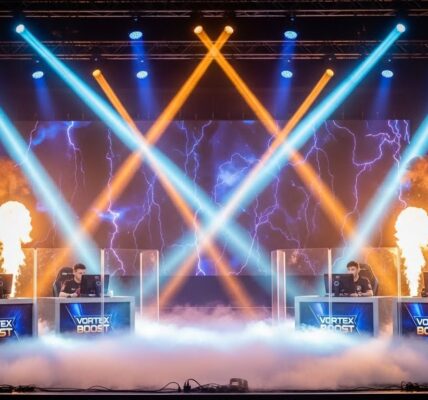
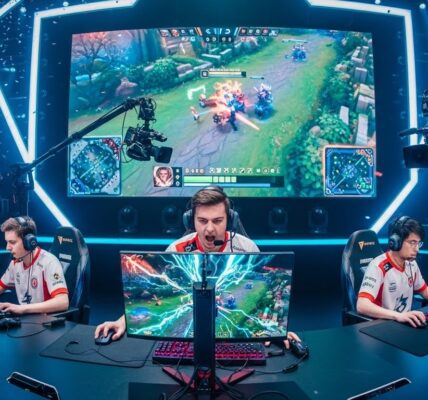
Event production has also evolved dramatically. Major tournaments now rival traditional sports broadcasts, complete with commentators, analysts, instant replays, and virtual reality integration. Esports arenas are equipped with massive LED screens, synchronized lighting, and sound systems that immerse spectators in the action. The technological sophistication of these events demonstrates how far the industry has come from its humble beginnings.
Virtual reality and augmented reality are also poised to play a major role in the next phase of esports development. These technologies have the potential to create entirely new competitive formats, blending physical and digital experiences in unprecedented ways.
Esports and Education
One of the most fascinating developments in recent years is the integration of esports into education. Universities and colleges around the world have started offering scholarships for esports athletes, recognizing competitive gaming as a legitimate extracurricular pursuit. High schools have begun forming esports clubs and varsity teams, promoting teamwork, strategic thinking, and digital literacy.
Educational institutions are also exploring the broader applications of esports, using it as a tool to teach subjects like computer science, marketing, and event management. The rise of esports academia reflects how gaming is no longer seen as a distraction but as a gateway to developing valuable 21st-century skills.
The Cultural Impact of Esports
Beyond competition, esports has become a significant cultural force. It has influenced fashion, music, and entertainment in profound ways. Collaborations between game developers and popular artists have blurred the boundaries between digital and real-world culture. For example, virtual concerts within games and crossover events have demonstrated how gaming can serve as a cultural hub.
Esports has also redefined community building. Fans gather on streaming platforms, social media, and in-person events to celebrate their favorite teams and players. Online communities have become extensions of fandom, where discussions, memes, and fan-created content thrive. The sense of belonging that esports fosters is one of its greatest strengths.
Moreover, esports has challenged outdated stereotypes about gamers. It has highlighted diversity in skill, creativity, and teamwork, showcasing that gaming is not an isolating activity but a social and collaborative one. Players from all backgrounds and regions can compete on an even playing field, united by their passion for gaming.
Challenges Facing the Esports Industry
Despite its rapid growth, esports still faces several challenges that need to be addressed for long-term sustainability. One major issue is player burnout. Professional players often train for long hours, sometimes exceeding ten to twelve hours a day. This intense schedule can lead to physical and mental fatigue, shortening careers and raising concerns about player welfare.
Another challenge is financial stability. While top-tier teams and tournaments generate significant revenue, many smaller organizations struggle to sustain operations. Uneven prize distributions, inconsistent sponsorships, and fluctuating viewership can make financial planning difficult. The industry is still finding ways to balance profitability with accessibility and fairness.
Cheating and integrity are also ongoing concerns. The use of software hacks, match-fixing scandals, and betting controversies have occasionally tarnished the image of esports. Organizations are now implementing stricter regulations, anti-cheat software, and ethical standards to ensure fair competition.
Additionally, diversity and inclusivity remain areas for improvement. While esports is theoretically open to all, female and non-binary players often face barriers such as harassment or lack of representation. Efforts are underway to create safer, more inclusive spaces where everyone can participate and compete freely.
The Future of Esports
The future of esports looks bright, with no signs of slowing down. As technology continues to advance, new genres and experiences will emerge, attracting even broader audiences. Virtual reality esports, mobile gaming competitions, and cloud-based tournaments will likely become mainstream, further democratizing access to competitive gaming.
Esports is also expected to gain greater recognition from traditional sporting bodies. The possibility of esports being included in multi-sport events like the Olympics has been widely discussed. While debates continue about whether esports qualifies as a “sport,” there is no denying its cultural and competitive significance.
In the years ahead, we may see more integration between esports and other industries. From entertainment collaborations to educational programs and even health and fitness innovations, esports has the potential to reshape how society views play, competition, and community.
Conclusion: More Than Just a Game
Esports has come a long way from the early days of arcade competitions and LAN parties. Today, it stands as one of the most dynamic and influential industries in the world. It has created opportunities for players, developers, and entrepreneurs, while fostering a global culture of competition, creativity, and connection.
The story of esports is ultimately one of passion and progress. It represents how technology, community, and imagination can transform a simple pastime into a worldwide phenomenon. As the boundaries between physical and digital worlds continue to blur, esports will undoubtedly remain at the forefront of innovation, shaping the future of entertainment for generations to come.