
Introduction to Esports
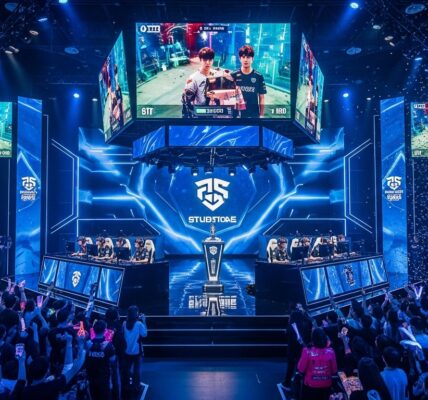
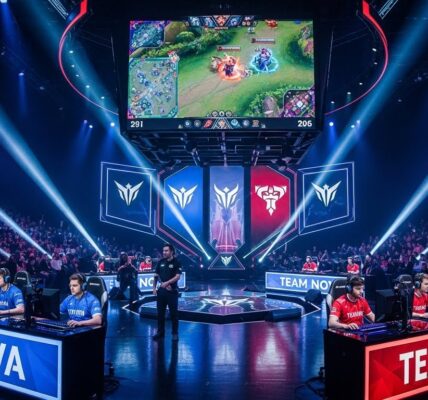
Esports, short for electronic sports, has evolved from a niche pastime into a global entertainment and competitive phenomenon. It represents the world of organized, multiplayer video game competitions, particularly between professional players, individually or as teams. What once began as small local tournaments among friends has transformed into a billion-dollar industry with millions of viewers, massive sponsorships, and global recognition. The world now sees gamers as athletes, and arenas once built for traditional sports now echo with the cheers of fans celebrating victories in games like League of Legends, Counter-Strike, and Dota 2.
The growth of esports has been one of the most remarkable cultural and technological developments of the 21st century. It bridges entertainment, technology, and competition in a way that no previous activity has. Today, esports is not merely about playing games but about careers, communities, and global influence.
The Early Days of Esports
To understand the massive industry esports has become, one must look back at its humble beginnings. The first recognized video game competition dates back to 1972, when Stanford University hosted a tournament for the game Spacewar. The prize was a one-year subscription to Rolling Stone magazine, but the event marked the first step toward professional gaming.
During the 1980s, arcade gaming began shaping competitive play. Titles like Pac-Man and Donkey Kong introduced the concept of high scores, inspiring players to challenge one another. The 1990s, however, brought the true foundation of modern esports. The rise of home consoles, personal computers, and the internet made competitive gaming more accessible. Games like Street Fighter II and StarCraft introduced organized tournaments and created communities that still influence esports culture today.
The Internet Era and the Birth of Global Competitions
The late 1990s and early 2000s marked the turning point for esports. With broadband internet becoming widely available, players could now compete globally without being in the same room. Titles such as Counter-Strike, Warcraft III, and Quake gained massive followings.
This period also witnessed the birth of professional leagues and tournaments. The Cyberathlete Professional League (CPL), founded in 1997, and Major League Gaming (MLG), established in 2002, gave esports structure and legitimacy. South Korea emerged as a leader in esports during this time, with StarCraft becoming a national sensation. Players achieved celebrity status, and televised matches attracted millions of viewers.
The Professionalization of Esports
By the 2010s, esports had firmly established itself as a professional pursuit. Players began earning substantial salaries, teams had corporate sponsorships, and global events offered multimillion-dollar prize pools. Game developers began designing titles specifically with esports in mind.
The professionalization of esports brought structure similar to that of traditional sports. Teams had coaches, analysts, nutritionists, and managers. Organizations such as Team Liquid, Fnatic, and T1 became household names in the gaming community. Major tournaments like The International (for Dota 2), League of Legends World Championship, and Fortnite World Cup offered prize pools that rivaled or surpassed those of established sports competitions.
The Role of Streaming and Online Platforms
A key factor in the explosion of esports popularity was the rise of streaming platforms. Twitch, YouTube Gaming, and other live-streaming services changed the way fans consumed esports content. Unlike traditional sports that required cable networks, esports was born and thrived in the digital world.
Streaming allowed anyone with an internet connection to become part of the audience. Fans could interact directly with players, learn from their gameplay, and become part of an ever-growing online community. Influential streamers and content creators helped promote esports further by sharing insights, tutorials, and entertaining commentary.
This accessibility made esports one of the most democratic entertainment forms ever created. You didn’t need to live near an arena or buy an expensive ticket — you just needed an internet connection.
Popular Esports Titles and Their Communities
Different games define different eras of esports. Each major title has contributed to the scene’s growth and developed its own unique community.
League of Legends revolutionized the Multiplayer Online Battle Arena (MOBA) genre. Its annual World Championship attracts millions of viewers worldwide and showcases top-tier talent from all regions. The game’s complexity, strategy, and teamwork have made it a fan favorite.
Dota 2 holds the record for some of the largest prize pools in esports history. Its tournament, The International, is funded partly through the game’s community, illustrating the deep connection between developers and fans.
Counter-Strike: Global Offensive (CS:GO) continues to be a staple of the esports ecosystem, known for its tactical gameplay and long-standing competitive structure. The game’s simplicity and skill-based mechanics make it one of the most respected esports in history.
Fortnite introduced a new demographic to esports. Combining creative building mechanics with a fast-paced shooter format, it attracted younger audiences and casual gamers. Epic Games’ investment in competitive events elevated Fortnite into a global spectacle.
Call of Duty, Valorant, and Overwatch also have strong esports ecosystems, offering diversity in gameplay styles and competitive opportunities.
Esports as a Career Path
Once dismissed as a hobby, gaming is now a legitimate profession. Professional players earn income from tournament winnings, sponsorships, and streaming. Top-tier players have become celebrities, with fanbases rivaling those of musicians and athletes.
Esports careers extend beyond players. Commentators, analysts, event organizers, coaches, and developers all play vital roles in the industry. Content creators build their brands through educational or entertaining videos. Universities and colleges now offer esports scholarships, recognizing the discipline, teamwork, and strategic thinking required to excel in the field.
The Global Impact of Esports
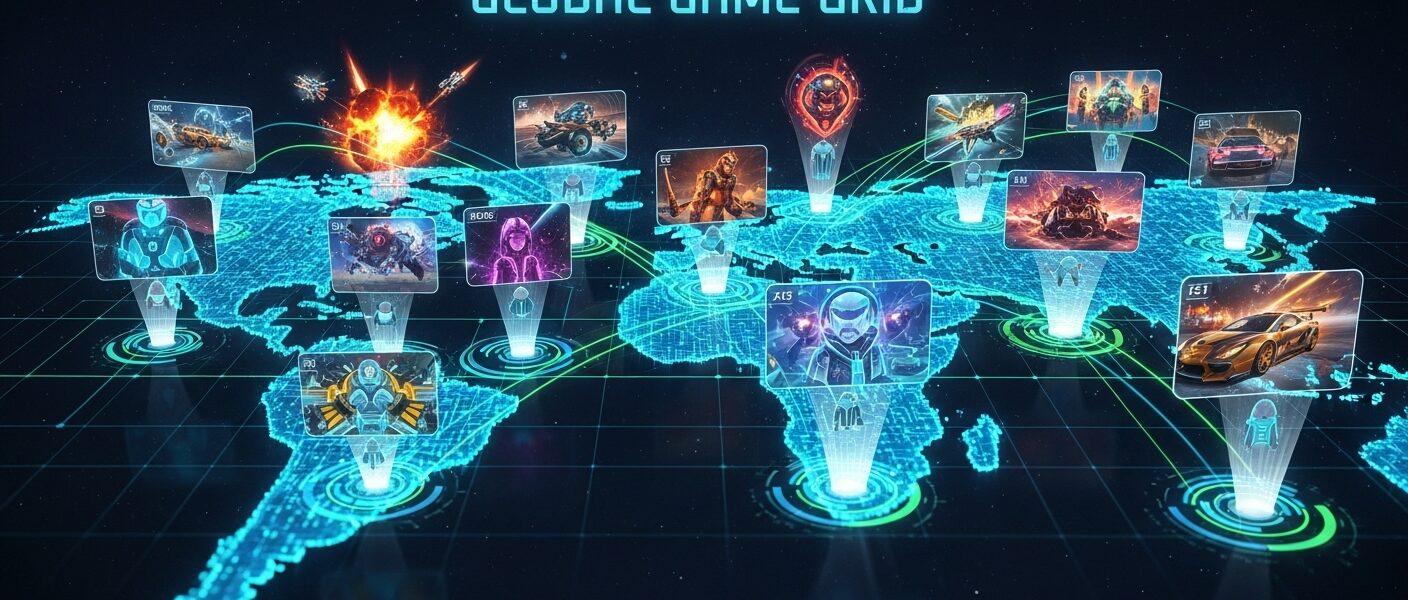
Esports transcends geographical and cultural boundaries. It unites players from all walks of life through a shared passion for competition and skill. Global tournaments feature teams from North America, Europe, Asia, and beyond. Major cities such as Seoul, Los Angeles, and Shanghai have become esports hubs, hosting international championships in massive arenas.
Countries like China and South Korea have made esports part of their national identity, with government support and dedicated esports facilities. The global nature of the industry has fostered international friendships and rivalries, contributing to cultural exchange and understanding.
The Business of Esports
Behind every match and every team lies a complex business structure. Esports generates revenue through sponsorships, media rights, merchandise, advertising, and ticket sales. Brands ranging from tech companies to soft drink giants invest heavily in esports to reach younger audiences.
Game developers also benefit financially by supporting esports ecosystems around their titles. Successful esports scenes can dramatically increase a game’s longevity and sales. Investors have recognized this, and esports organizations now attract millions in funding.
The rise of franchised leagues, such as the Overwatch League and Call of Duty League, mirrors the model used by traditional sports. Teams pay franchise fees and represent specific cities, creating stability and local fanbases.
Esports and Traditional Sports: A Growing Connection
While esports and traditional sports may seem worlds apart, the two industries are increasingly intertwined. Many traditional sports organizations have invested in esports teams or created gaming divisions. Football clubs like Paris Saint-Germain and Manchester City, as well as basketball franchises like the Golden State Warriors, have entered the esports arena.
The skills and dedication required in esports parallel those of traditional athletes. Players train for hours daily, studying strategies and refining their reflexes. Esports has even been proposed for inclusion in major international multi-sport events, highlighting its growing legitimacy.
The Role of Technology in Esports Growth
Technology drives esports forward. From advanced gaming hardware to virtual reality and artificial intelligence, technological innovation enhances both player performance and viewer experience.
High-refresh-rate monitors, powerful graphics cards, and optimized peripherals allow players to compete at the highest level. Meanwhile, broadcasting technology has evolved to make esports visually engaging, with real-time data overlays, commentary, and crowd interaction.
The rise of virtual and augmented reality promises to redefine how audiences experience esports. Interactive broadcasts and immersive environments may soon allow fans to feel as if they are inside the game.
Esports Education and Infrastructure
The educational world has also embraced esports. Universities and high schools worldwide are establishing esports programs, offering degrees in game design, management, and marketing. Students learn about teamwork, leadership, and technology — skills applicable beyond gaming.
Dedicated esports arenas and training centers have sprung up globally, providing facilities where players can practice and compete professionally. These investments demonstrate the long-term vision and sustainability of the industry.
Challenges Facing the Esports Industry
Despite its incredible success, esports faces several challenges. Player burnout is a significant concern, as intense schedules and pressure can affect mental health. The industry must also continue addressing issues such as fair play, doping, and match-fixing.
Sustainability and revenue distribution remain topics of debate. While top-tier tournaments generate substantial income, smaller events and grassroots players often struggle financially. Diversity and inclusion are also ongoing challenges, as the industry works to create a more welcoming environment for all genders and backgrounds.
The Future of Esports
The future of esports looks brighter than ever. As technology advances, so will the sophistication of competitions. Cloud gaming, AI coaching tools, and enhanced virtual production will revolutionize how esports are played and consumed.
With the next generation growing up immersed in digital entertainment, esports is set to rival traditional sports in audience size and cultural influence. Schools, governments, and corporations will continue to integrate esports into their ecosystems, cementing its position as a legitimate and respected field.
The potential for expansion into emerging markets, particularly in Africa, South America, and Southeast Asia, promises further growth. These regions have vast populations of young gamers eager to participate in global competitions.
Conclusion: Esports as the Future of Competition
Esports has transformed from a small community of dedicated gamers into one of the most influential industries on the planet. It blends competition, technology, creativity, and entertainment into a single global culture. What was once seen as a pastime is now a professional pursuit, shaping the identities of millions of players and fans.
The rise of esports represents more than just gaming; it signifies how digital experiences can unite people across continents. It has broken barriers, created careers, and redefined what it means to be an athlete in the modern age. The story of esports is still being written, but one thing is certain — it will continue to inspire, innovate, and evolve for generations to come.