

Introduction to Esports
In the modern digital era, esports has emerged as one of the most fascinating and fast-growing industries across the globe. What once started as casual gaming competitions among friends has transformed into a billion-dollar professional field where players, teams, and organizations compete for prestige, recognition, and massive prize pools. Esports, short for electronic sports, refers to organized competitive gaming where players battle in popular video games such as League of Legends, Counter-Strike, Dota 2, Fortnite, and many others. It has captured the attention of millions of fans, transcending the boundaries of traditional sports and becoming a cultural phenomenon of the twenty-first century.
The Origins and Early History of Esports
The concept of competitive gaming dates back to the early 1970s when the first video game tournaments began to take shape. The first recognized gaming competition took place at Stanford University in 1972, featuring the game Spacewar. The prize was modest—a one-year subscription to Rolling Stone magazine—but the event marked the birth of organized digital competition. In the 1980s, with the rise of arcade games like Pac-Man and Donkey Kong, competitive gaming began to gain momentum. Arcades became social hubs where players tried to outscore one another, pushing the limits of gaming skill and reflex.
As technology advanced, so did the scope of gaming competitions. The 1990s marked a significant turning point with the introduction of multiplayer computer games and the internet. Games like Doom, Quake, and StarCraft allowed players to compete online, connecting people across cities, countries, and continents. This decade laid the groundwork for modern esports, paving the way for professional tournaments, sponsors, and dedicated gaming leagues.
The Boom of Esports in the 2000s
The early 2000s witnessed a massive explosion in the popularity of esports, fueled by improved internet connections and the rise of professional gaming organizations. South Korea emerged as the global leader in esports, particularly through the game StarCraft. The country established professional leagues, gaming television channels, and even government support for esports as a legitimate industry. Players were treated like celebrities, with fan followings similar to those of traditional athletes.
Meanwhile, Western countries began to catch up. Major tournaments like the Cyberathlete Professional League (CPL) and Major League Gaming (MLG) gained prominence, offering large prize pools and attracting international competitors. The emergence of games like Counter-Strike, Warcraft III, and Dota provided esports with new platforms to flourish. This period also saw the professionalization of gaming teams, player contracts, sponsorships, and the establishment of esports as a career path rather than just a hobby.
The Role of Streaming and Digital Platforms
One of the most significant drivers of esports’ success has been the rise of streaming platforms such as Twitch and YouTube. These platforms revolutionized how fans consume gaming content. Instead of relying on traditional television broadcasts, fans could now watch their favorite players live, interact through chat, and feel directly connected to the community. Streaming turned gaming into a form of interactive entertainment where players became influencers and entertainers in their own right.
The accessibility of streaming also democratized esports. Anyone with skill, dedication, and internet access could showcase their talent to a global audience. This led to the discovery of countless new players who might otherwise have gone unnoticed. Streaming also helped esports events reach millions of viewers worldwide, with major tournaments now rivaling the viewership of established sporting events like the Super Bowl or the FIFA World Cup.
Popular Esports Titles and Genres
The esports world is incredibly diverse, featuring a wide range of genres and titles that cater to different styles of competition. Among the most popular categories are:
1. Multiplayer Online Battle Arena (MOBA) Games:
Games like League of Legends and Dota 2 dominate the esports scene. These games require teamwork, strategy, and quick decision-making. The depth of gameplay and constant updates keep them fresh and challenging for both players and viewers.
2. First-Person Shooters (FPS):
Titles like Counter-Strike: Global Offensive, Valorant, and Call of Duty have massive competitive followings. These games emphasize precision, communication, and tactical awareness. FPS tournaments are known for their intensity and fast-paced action.
3. Battle Royale Games:
Games like Fortnite and PUBG introduced large-scale, last-player-standing formats that captured mainstream attention. Their dynamic gameplay and unpredictable outcomes make them thrilling for spectators.
4. Fighting Games:
Franchises such as Street Fighter, Tekken, and Super Smash Bros. have long histories in competitive gaming. Fighting game tournaments showcase individual skill, timing, and mastery of complex mechanics.
5. Sports Simulation Games:
Titles like FIFA, NBA 2K, and Rocket League replicate traditional sports in a digital format. These games bridge the gap between traditional athletes and gamers, appealing to fans of both worlds.
The Professional Esports Ecosystem
The esports industry has developed an elaborate and well-structured ecosystem. It includes players, teams, coaches, analysts, broadcasters, event organizers, sponsors, and fans. Professional players dedicate countless hours to training, studying strategies, and refining their skills. Teams often employ full-time staff to manage operations, develop marketing strategies, and ensure player well-being.
Tournament organizers such as ESL and DreamHack host global events that draw tens of thousands of in-person spectators and millions online. Sponsorships from major companies provide financial backing, while media rights and merchandising generate additional revenue. Esports organizations also invest heavily in branding, creating loyal fanbases that support their teams in every match.
Esports as a Career
Gone are the days when gaming was dismissed as a waste of time. Today, esports offers a legitimate career path. Players can earn substantial salaries, prize money, and sponsorship deals. Top-tier professionals live in gaming houses, receive physical and mental training, and follow structured routines similar to traditional athletes. Beyond players, the industry offers numerous roles such as commentators, event managers, content creators, and marketing specialists.
The rise of collegiate esports has also opened new opportunities for young gamers. Many universities now offer scholarships for esports players, recognizing their skills and competitive potential. This further legitimizes esports as a field of study and professional pursuit.
Cultural Impact of Esports
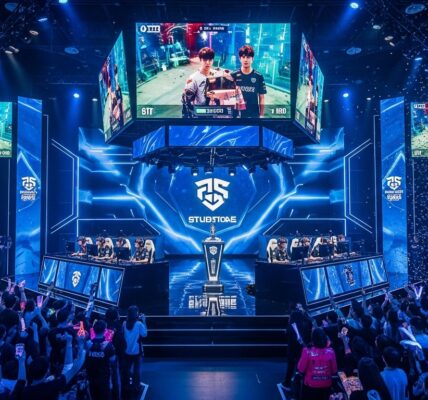
Esports has become a cultural movement that extends beyond gaming itself. It has redefined entertainment, merging aspects of technology, media, and sports culture. Esports tournaments fill massive arenas, with elaborate stage designs, light shows, and live commentary. Fans wear team jerseys, chant slogans, and celebrate victories much like fans in football or basketball.
Moreover, esports has influenced fashion, music, and pop culture. Collaborations between gaming brands and mainstream artists have become common, with popular musicians performing at esports events. The aesthetic of gaming has also shaped youth culture, influencing clothing styles, memes, and online communication.
The Globalization of Esports
Esports transcends geographic and linguistic barriers. Players from different countries compete on the same stage, representing their nations or international organizations. Regions such as Europe, North America, China, and Southeast Asia have become esports powerhouses. Each region brings its own unique strategies, fan communities, and cultural influences to the scene.
The global nature of esports also promotes diversity and inclusivity. While challenges remain in achieving gender balance and regional equity, efforts are being made to create opportunities for everyone, regardless of background. Esports is one of the few truly global activities where success depends solely on skill, strategy, and dedication.
Challenges Faced by the Esports Industry
Despite its rapid growth, esports faces several challenges. One major issue is sustainability. Many players experience burnout due to intense schedules and constant competition. Unlike traditional sports, esports careers are relatively short, as reflexes and mental agility peak early. This raises questions about player welfare and long-term financial stability.
Another challenge lies in regulation. Esports lacks a unified governing body, leading to inconsistencies in rules, player contracts, and tournament standards. Match-fixing, cheating, and doping have also emerged as concerns, requiring stricter oversight and ethical frameworks.
Additionally, while esports has made progress in inclusivity, it still struggles with gender representation. Female players and streamers often face harassment and lack of support, highlighting the need for greater equality and safer environments.
The Role of Technology in Esports Development
Technology is the backbone of esports. From high-performance gaming PCs to advanced internet infrastructure, every aspect of competitive gaming relies on cutting-edge technology. The rise of virtual reality (VR) and augmented reality (AR) promises new dimensions of gameplay, allowing players to immerse themselves deeper into digital environments. Artificial intelligence (AI) is also being used to analyze gameplay, develop strategies, and enhance training programs.
Streaming platforms continue to innovate, offering improved viewing experiences with real-time statistics, multi-angle replays, and interactive features. These advancements make esports more engaging for both players and fans. Furthermore, the integration of blockchain and digital tokens in esports has introduced new forms of fan engagement and monetization.
The Relationship Between Esports and Traditional Sports
Initially, traditional sports organizations viewed esports with skepticism. However, as its popularity skyrocketed, many professional sports teams and leagues began investing in esports divisions. Football clubs, basketball teams, and even racing organizations have established esports branches to connect with younger audiences.
Esports shares many similarities with traditional sports—teamwork, competition, fan loyalty, and global reach. Both require discipline, training, and strategic thinking. However, esports also brings something new: accessibility. Unlike physical sports, gaming can be played and watched from anywhere in the world. This inclusivity has expanded the definition of what it means to be an athlete in the digital age.
Esports Education and Research
The growth of esports has encouraged academic institutions to explore it as a serious field of study. Universities offer degrees in esports management, marketing, and game design. Researchers analyze its psychological, social, and economic aspects, studying topics such as teamwork, leadership, and cognitive performance in gaming environments.
Educational programs also teach aspiring professionals how to navigate the business side of esports, from event planning to sponsorship negotiations. This academic recognition further solidifies esports as a legitimate and influential industry.
The Future of Esports
The future of esports looks brighter than ever. With continued technological advancements, increasing mainstream acceptance, and growing investment, the industry is poised for long-term success. The inclusion of esports in multi-sport events such as the Asian Games marks a significant step toward global recognition. Discussions about including esports in the Olympic Games are ongoing, reflecting how far the industry has come.
In the coming years, we can expect more integration between esports and emerging technologies. Virtual reality competitions, cloud gaming, and AI-driven analysis could redefine how players train and compete. Additionally, greater efforts toward inclusivity, diversity, and mental health awareness will shape a more sustainable and welcoming environment for all participants.
Conclusion
Esports is not merely about playing video games—it is a cultural revolution that has redefined entertainment, sports, and digital connectivity. From humble beginnings in arcades and university halls, it has evolved into a global powerhouse of competition, innovation, and creativity. Esports unites people across nations, languages, and backgrounds through the shared love of gaming and the spirit of competition.
As technology continues to advance and society embraces digital transformation, esports will only continue to grow, offering new opportunities for players, fans, and industries alike. The rise of esports symbolizes more than just the success of gaming; it represents the dawn of a new era where digital skill, creativity, and community shape the future of human interaction and entertainment.