
Introduction
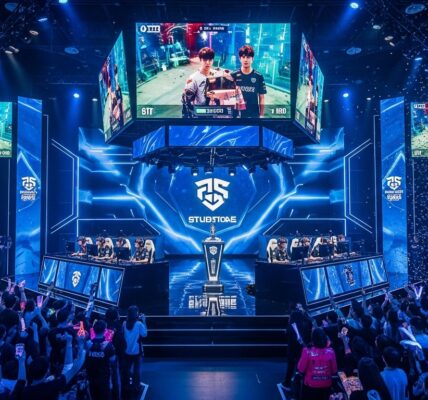
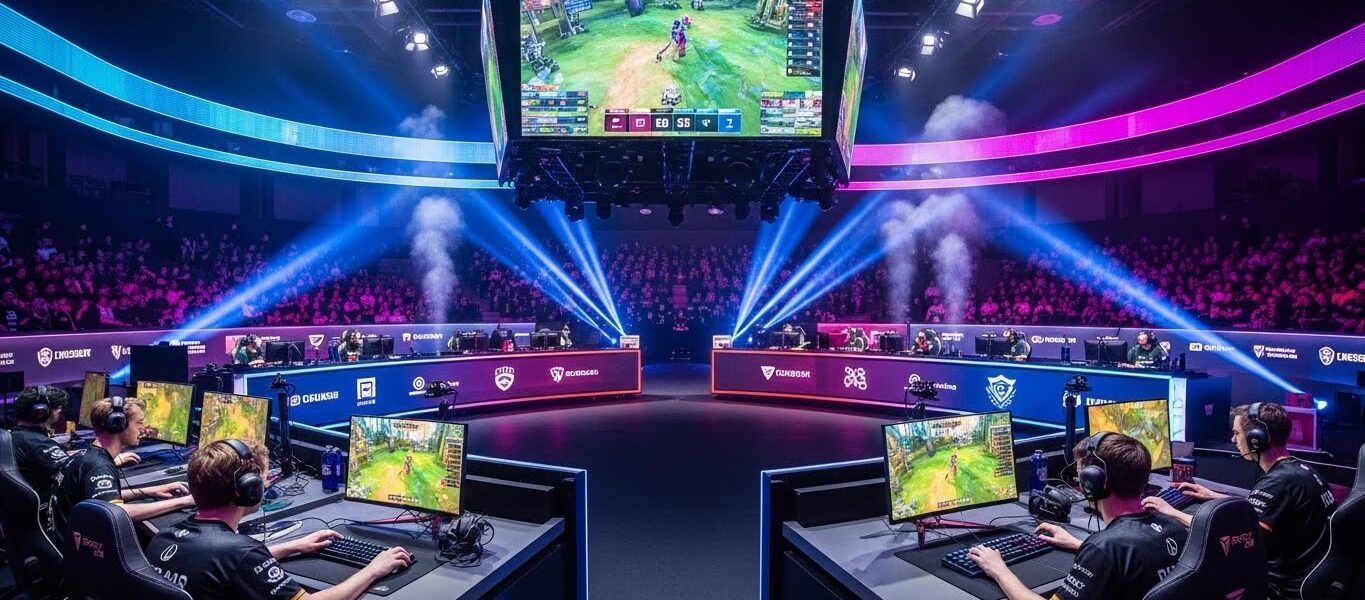
The world of competitive gaming, once seen as a niche hobby practiced in dimly lit internet cafés and basements, has transformed into a global entertainment powerhouse. Esports now fills stadiums, attracts millions of online viewers, and generates revenues comparable to traditional sports. What was once a subculture has become a legitimate, structured industry with professional athletes, coaches, analysts, and massive fan bases. In this blog, we explore the rise of esports, the elements that enabled its explosive growth, the challenges it faces, and the future trajectory of this fast-evolving digital phenomenon.
The Origins of Esports and Its Early Milestones
Esports did not emerge overnight. The earliest forms can be traced back to small competitive gaming tournaments held in the late twentieth century. Classic titles like Street Fighter, Counter-Strike, StarCraft, and Quake laid the foundation for organized competitive play. These games demanded not only reflexes but also strategy, teamwork, and precision. Local tournaments slowly evolved into national and then international competitions.
What made esports unique from the beginning was its digital accessibility. Anyone with a computer or console could participate, eliminating traditional barriers seen in physical sports such as location, facilities, or financial resources. This openness helped esports grow organically and build passionate communities long before companies realized the commercial potential behind competitive gaming.
The Explosion Driven by Online Streaming
The game-changing moment for esports came with the rise of online streaming platforms. For the first time, gamers could broadcast their experiences in real time to global audiences. This allowed competitive scenes to grow beyond the constraints of physical venues. Fans who could never attend tournaments in person were suddenly able to watch professional players from anywhere in the world.
This shift transformed esports into a form of entertainment similar to traditional sports broadcasts. Viewers tuned in not only to watch competitions but also to follow their favorite players, learn strategies, and immerse themselves in gaming culture. As viewership skyrocketed, sponsors, advertisers, and major organizations took notice. Gaming went from a personal pastime to a spectator event on a massive scale.
The Rise of Professional Esports Players
Many still underestimate the skill, discipline, and dedication required to compete professionally in esports. The top players train for long hours every day, perfecting mechanics, studying opponents, and refining their strategies. They often work with a team comprising coaches, analysts, nutritionists, and sometimes even sports psychologists.
Esports athletes develop exceptional hand-eye coordination, rapid decision-making, and the ability to remain calm under pressure. Their performances are often compared to those of traditional athletes, and thousands of aspiring players dream of making it to the professional level. With contracts, salaries, endorsements, and prize pools that sometimes exceed those in traditional sports, competitive gaming has become a viable career for talented players around the world.
The Business and Industry Behind Esports
The esports economy has expanded rapidly, supported by several key pillars. Sponsorships remain the largest source of revenue, as brands across technology, energy drinks, lifestyle products, and even automotive sectors have invested heavily in esports teams and tournaments. Major companies recognize esports as a gateway to younger audiences who are deeply engaged and loyal to their favorite organizations.
Tournaments generate additional revenue through ticket sales, merchandise, and broadcast rights. Game publishers also play a significant role by structuring leagues, supporting official tournaments, and promoting competitive scenes for their titles. In many cases, publishers see esports as a long-term investment that increases player engagement and extends the lifespan of their games.
The rise of dedicated esports arenas, training facilities, and media production studios reflects the industry’s professionalization. Esports is no longer an improvised setup in a gaming café; it is a full-fledged global business with numerous stakeholders.
The Globalization of Esports
One of the most remarkable aspects of esports is its global reach. Unlike traditional sports, which often have strong regional foundations, esports communities form globally from the start. A player in Brazil can compete with someone in South Korea or Sweden, and fans from every continent watch the same tournaments simultaneously.
Different regions have become famous for their strengths in specific games. South Korea is known for its dominance in strategy and mobile games. Europe excels in tactical shooters and team-based games. North America hosts some of the largest organizations and tournaments. Meanwhile, Southeast Asia and China boast massive communities and viewership numbers that continue to grow each year.
This worldwide participation has turned esports into a cultural bridge, creating a shared interest that transcends language, nationality, and background. In an increasingly interconnected world, esports showcases how digital entertainment can unify diverse populations.
The Educational and Career Opportunities Emerging From Esports
The growth of esports has opened a wide range of new career paths beyond professional play. Universities now offer scholarships to talented esports players, much like traditional athletic scholarships. Academic programs in esports management, event production, marketing, and game design are becoming increasingly common.
Esports events require production crews, commentators, hosts, analysts, graphic designers, and sound engineers. Teams employ social media managers, content creators, public relations staff, and financial experts. As a result, esports is contributing to job creation in ways that extend far beyond gaming itself.
For younger people, esports can be an educational tool that teaches teamwork, strategic thinking, discipline, and digital literacy. Schools have begun integrating esports clubs to encourage collaboration and to engage students who might not feel connected through traditional extracurricular activities.
The Challenges Facing Esports Today
Despite its remarkable success, the esports industry faces several challenges. Player burnout is a significant issue, as the pressure to maintain peak performance can lead to mental and physical strain. Teams and tournament organizers are increasingly implementing wellness programs, but the challenge remains.
Another concern is the volatility of game popularity. Unlike traditional sports that remain largely unchanged for decades, esports titles can rise and fall rapidly. This makes long-term investment and planning more complex for organizations and investors.
Monetization can also be unpredictable. While esports earns attention comparable to major sports, its revenue generation still lags behind. Ensuring sustainable earnings for teams, players, and tournament operators is a critical industry priority.
Additionally, global regulation remains inconsistent. Each country has its own rules on gaming, contracts, and digital entertainment, which complicates international competition. Establishing standardized guidelines will be essential for future growth.
The Social and Cultural Impact of Esports
Esports has dramatically influenced modern culture. It has reshaped entertainment consumption habits, introduced new forms of celebrities, and fostered communities centered around digital interaction. Many young fans look up to esports athletes the same way previous generations idolized traditional sports stars.
The inclusiveness of esports also plays a meaningful role in culture. People of all backgrounds can participate from home, removing barriers related to geography, physical ability, or economic status. Many individuals find friendship, support, and identity through esports communities.
Content creation has grown alongside esports. Streamers, analysts, and commentators offer entertainment, education, and personality-driven content that enriches the ecosystem. Esports has become a lifestyle, influencing fashion, music, and social trends worldwide.
The Future of Esports and What Lies Ahead
The future of esports looks promising as the industry continues to innovate. Advancements in technology will shape the next evolution of competitive gaming. High-speed internet, virtual reality, augmented reality, and more immersive gaming experiences will offer new dimensions to competition and entertainment.
Esports may also become more integrated with traditional sports. Some major sports organizations have already launched their own esports teams. Collaboration between the two fields will likely continue, creating unique crossover events and hybrid entertainment experiences.
As esports gains more mainstream acceptance, inclusion in major international sporting events becomes increasingly likely. With ongoing discussions and pilot programs, the possibility of esports becoming part of global multi-sport competitions is closer than ever.
Education, youth engagement, and global connectivity will further fuel the industry’s growth. Esports is not merely a passing trend; it is a digital evolution of competition, entertainment, and community.
Conclusion
Esports has transformed from a small, passion-driven community into a global cultural and economic force. Its influence extends beyond gaming, shaping media, entertainment, education, and technology. Driven by innovation, community, and competition, esports reflects the changing landscape of how people connect and engage in the digital age.
As the industry continues to expand, it will bring new opportunities, challenges, and advancements. One thing is clear: esports is here to stay, and its impact on the future of entertainment will only grow stronger. Whether you are a dedicated fan, a curious newcomer, or someone discovering the world of competitive gaming for the first time, the digital arena welcomes you to join the action.