
Introduction
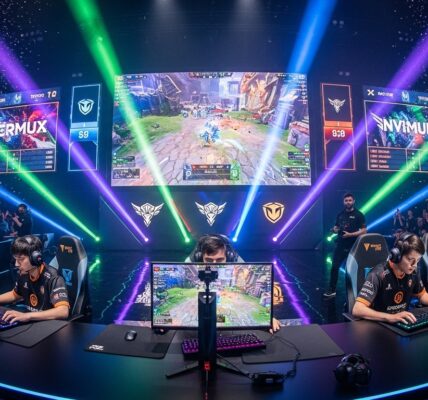
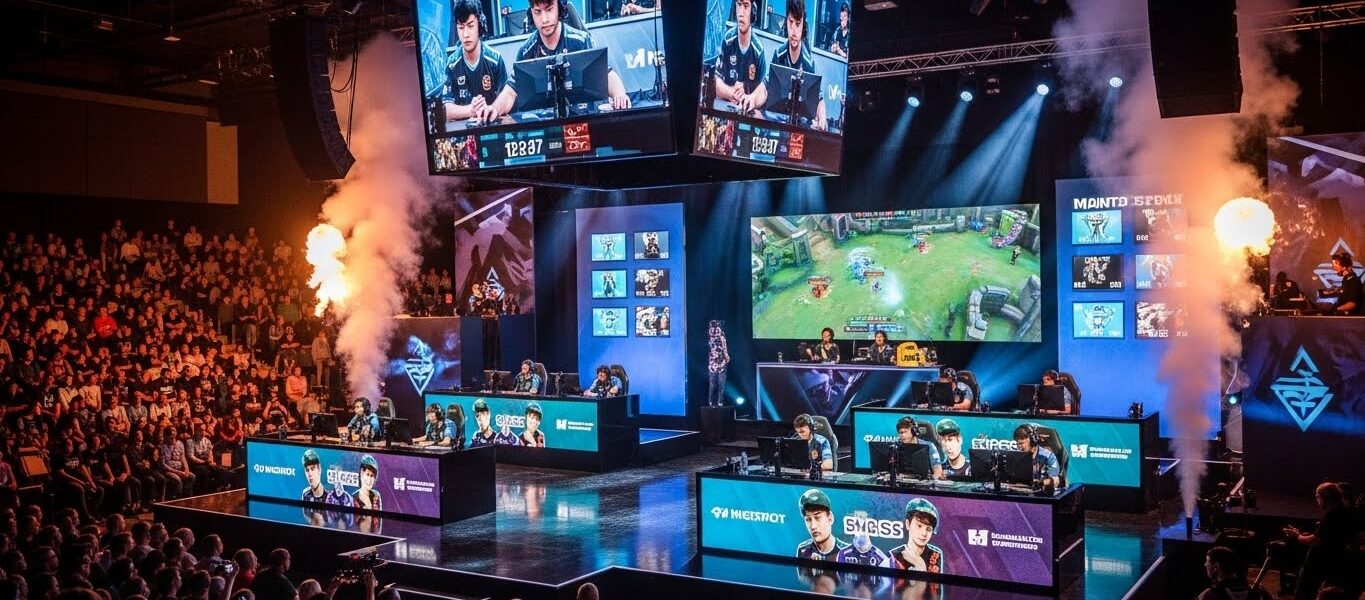
In the past, video games were often dismissed as a hobby for children and teenagers. Today, esports has emerged as a major global industry, attracting millions of viewers, professional players, and corporate investments. Competitive gaming has transformed from casual online matches to stadium-filling events with huge prize pools and international recognition. Esports represents a cultural, technological, and economic shift, showcasing how entertainment, skill, and digital connectivity can merge to create a modern spectacle.
The Early Days of Competitive Gaming
The story of esports begins decades ago when arcade competitions and home console tournaments started gaining attention. Players would compete for high scores in classic games, often sharing tips and strategies with peers. These small-scale competitions fostered a sense of community among gamers and laid the foundation for organized competitive play.
As gaming technology evolved, multiplayer games became increasingly popular. The ability to play against others in real time added a new dimension to gaming. The introduction of the internet allowed players to compete across cities, countries, and eventually continents, transforming casual competition into a global phenomenon.
Professionalization and Organized Leagues
The growth of esports demanded structure. Professional teams, leagues, and tournaments emerged, mirroring traditional sports systems. Players began signing contracts, teams hired coaches, and sponsorships provided financial backing. Game developers also contributed by designing titles specifically for competitive play, integrating features like ranked modes and spectator functionality to facilitate tournaments.
Large-scale competitions became more common, attracting live audiences and streaming millions of viewers online. The prize pools grew substantially, sometimes reaching millions of dollars. With this level of professionalism, esports players are treated with the same respect and scrutiny as traditional athletes.
Community and Culture
Esports thrives because of its vibrant community. Fans do more than watch—they actively participate through streaming platforms, social media, and online forums. Spectators discuss strategies, analyze gameplay, and engage directly with players. This interaction strengthens the bond between fans and the esports ecosystem.
Global reach is another defining feature. Fans from different countries cheer for teams and players, creating a shared culture that transcends geographical boundaries. Esports has become more than a game; it is a cultural movement where passion, collaboration, and creativity intersect.
The Appeal of Esports
Esports captivates audiences for several reasons. Games are visually engaging and strategically complex, providing entertainment similar to traditional sports. Tournaments can be streamed anywhere in real time, making it accessible to millions. Unlike conventional sports, esports requires no physical stadium or rigid schedule to reach audiences globally.
Accessibility also plays a major role. Anyone with a gaming device can play, watch, or learn from professional players. Stories of players rising from humble beginnings to international fame inspire fans, adding an emotional connection that strengthens audience engagement.
Economic Growth and Business Opportunities
Esports has developed into a multi-billion-dollar industry. Revenue comes from sponsorships, advertising, media rights, merchandise, and ticket sales. Corporations recognize the potential of esports to reach younger, digitally engaged audiences and invest heavily.
Professional teams operate like traditional sports organizations, with management, training facilities, and talent scouting. Players often live in gaming houses where they practice, strategize, and refine skills under the supervision of coaches and analysts. Streaming platforms further contribute to the economy, enabling content creators to earn through advertisements, subscriptions, and donations.
Technology as a Driving Force
Technology has been crucial to the growth of esports. High-speed internet allows seamless online gameplay, while advanced hardware supports complex graphics and mechanics. Streaming services provide a global platform for audiences to watch and interact with competitions.
Emerging technologies, such as virtual reality and augmented reality, promise to revolutionize esports by creating immersive experiences. Artificial intelligence is increasingly used for analyzing gameplay, developing strategies, and providing personalized coaching to professional players.
Training and Lifestyle of Professional Players
Professional esports athletes undergo rigorous training similar to traditional sports. Practice involves hours of gameplay, analyzing opponent strategies, and honing skills to maintain competitive edges. Mental agility, quick reflexes, and strategic thinking are crucial for success.
Support staff such as coaches, nutritionists, and psychologists are now common in professional teams, ensuring players maintain physical and mental well-being. Organizations prioritize sustainable routines to prevent burnout and maximize long-term performance, reflecting the seriousness and professionalism of the industry.
Esports in Education
Esports has made significant inroads into educational institutions. Universities offer scholarships and host competitive teams, while specialized programs in esports management, game design, broadcasting, and digital media provide students with career opportunities.
These programs prepare students for diverse roles within the esports ecosystem, from content creation and event organization to analytics and marketing. The integration of esports into education highlights its legitimacy and potential as a long-term career path.
Global Reach and Cultural Impact
Esports has a worldwide audience, connecting fans across continents. Major tournaments attract millions of viewers online and fill stadiums for live events. Different regions have developed unique esports cultures, with countries like South Korea becoming synonymous with professional gaming, while North America and Europe host some of the largest international competitions.
This global reach fosters cross-cultural exchange and collaboration, creating a shared language of gaming strategies, fan culture, and esports media. The worldwide popularity of esports demonstrates its ability to unify people through shared interests and experiences.
Challenges Facing the Industry
Despite its success, esports faces challenges. Maintaining player health, ensuring fair competition, and regulating the industry are ongoing concerns. Professional gaming demands intense focus and long hours, which can lead to burnout or physical strain. Organizations are increasingly aware of these risks and are implementing measures to safeguard players.
Furthermore, esports must navigate issues related to cheating, match-fixing, and industry transparency. Establishing standardized rules, monitoring gameplay integrity, and promoting ethical practices are essential for sustaining growth and credibility.
The Future of Esports
The future of esports is bright and full of possibilities. Advances in technology, such as virtual reality competitions, AI-assisted training, and interactive streaming experiences, will enhance gameplay and fan engagement. Mobile esports is also expanding rapidly, offering a platform for millions of new players and fans worldwide.
Esports could even gain formal recognition in international sports events, reflecting its cultural and economic significance. As the industry grows, opportunities for careers in management, broadcasting, content creation, and analytics will continue to expand, making esports a versatile and enduring part of the modern entertainment landscape.
Conclusion
Esports has evolved from small-scale competitions to a global cultural and economic force. Its rise demonstrates the power of digital communities, technological innovation, and human creativity. Beyond the thrill of competition, esports represents a new form of entertainment that connects people across the globe, offering shared experiences, inspiration, and professional opportunities.
The growth of esports shows no signs of slowing. It is more than a game; it is a movement that redefines what it means to compete, engage, and entertain in the digital age. As technology and culture continue to evolve, esports will remain at the forefront, shaping the future of entertainment and global connectivity.