

Introduction: Esports in the Modern Era
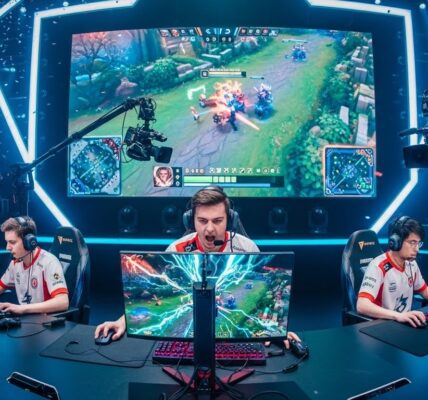
Esports, or electronic sports, has rapidly transformed from a niche hobby into a global phenomenon that transcends traditional entertainment. What started as small-scale video game competitions among friends and local communities has evolved into a multi-billion-dollar industry with professional leagues, international tournaments, and millions of viewers worldwide. Esports now influences popular culture, shapes career opportunities, and provides a platform for innovation and creativity in the digital era. Its growth reflects the evolving ways in which people connect, compete, and experience entertainment, proving that competitive gaming is more than just a pastime—it is a cultural force.
The Origins and Evolution of Esports
The roots of esports trace back to the 1980s when arcade games and early console competitions first became popular. High-score contests for games like Space Invaders and Pac-Man marked the beginning of organized competitive gaming. By the 1990s, games such as Street Fighter, Quake, and StarCraft introduced skill-based competition on a professional scale. The advent of high-speed internet in the late 1990s and early 2000s allowed players to compete online, connecting communities across regions and countries. With platforms for live streaming, sponsorship, and large-scale tournaments, esports gradually professionalized, leading to structured leagues, massive audiences, and recognition as a legitimate competitive pursuit.
Why Esports Captivates Audiences
Esports captivates millions of participants and viewers because it combines strategy, skill, and entertainment in a highly engaging format. Unlike traditional sports, esports is accessible to anyone with a computer, gaming console, or mobile device, making it inclusive across demographics. Competitive gaming requires quick reflexes, mental agility, and strategic thinking, while team-based games demand communication, collaboration, and leadership. For viewers, esports provides an adrenaline-fueled experience akin to traditional sports, with moments of triumph, dramatic comebacks, and intense rivalries. Moreover, esports fosters social interaction, allowing fans to connect, share strategies, and celebrate their favorite teams and players collectively.
Skill Development Through Competitive Gaming
Esports is not simply about playing games; it cultivates a diverse set of skills that extend beyond the digital world. Players develop critical thinking, problem-solving, multitasking, and decision-making abilities under pressure. Team-based games emphasize communication, collaboration, and leadership, while solo competitions promote self-discipline, focus, and resilience. Many professional players maintain rigorous training schedules, combining practice, analytical review, and strategic planning to refine their skills. These abilities are transferable to other areas of life, including education, careers, and personal development, demonstrating that esports fosters both mental acuity and emotional growth.
The Professional Esports Landscape
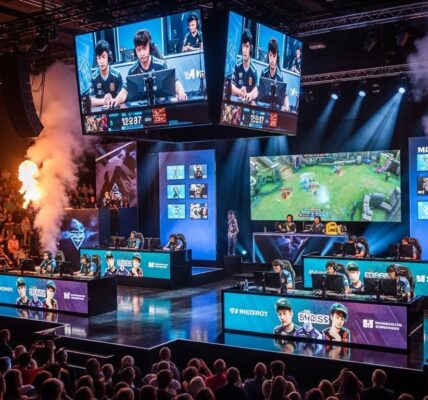
The professional esports ecosystem mirrors traditional sports in many ways, comprising players, teams, leagues, and organizations. Top-tier players compete for substantial prize pools, sponsorship deals, and streaming revenue. Teams employ coaches, analysts, and support staff to optimize performance, much like sports franchises. Major tournaments attract global audiences, with millions tuning in to watch live streams and broadcasts. Beyond competition, esports provides career opportunities in event management, commentary, content creation, and analytics. This professionalization underscores esports as a sustainable industry that offers both competitive excitement and economic viability.
Building Community and Social Connections
At its core, esports thrives on community. Online platforms, forums, and streaming services allow fans to connect with players, share experiences, and engage in discussions about games and strategies. These communities foster a sense of identity and belonging, enabling friendships and mentorships to develop across cultural and geographic boundaries. Esports also promotes inclusivity by allowing participation from diverse age groups, backgrounds, and abilities. For many, esports is more than entertainment; it is a social hub where collaboration, teamwork, and shared achievements strengthen bonds and create lasting connections.
Women and Diversity in Esports
Although historically male-dominated, esports has seen increasing participation by women and underrepresented groups. Female gamers now compete professionally, stream to large audiences, and serve as role models for future generations. Diversity initiatives are creating safer, more inclusive environments that promote equity and respect. Inclusion not only broadens participation but also enriches creativity, innovation, and strategy within the esports community. By embracing diversity, esports demonstrates that talent and dedication are more important than gender, background, or identity, helping redefine cultural norms in competitive gaming.
Challenges and Risks in Esports
Despite its growth, esports faces unique challenges. The intense pressure to perform at high levels can lead to mental health concerns, including stress, burnout, and anxiety. Extended hours of gameplay and screen time can cause physical strain, including eye fatigue, posture issues, and repetitive strain injuries. Additionally, online communities sometimes experience toxic behavior, cheating, and cyberbullying, creating barriers to positive engagement. Addressing these challenges requires awareness, structured training, mental health support, and ethical practices. Many professional organizations now incorporate wellness programs, physical fitness routines, and psychological coaching to help players maintain long-term health and peak performance.
Technology and Innovation in Esports
Technology is the backbone of esports. High-speed internet, advanced gaming hardware, and sophisticated software enable real-time global competition. Data analytics tools allow players and coaches to study performance, optimize strategies, and improve efficiency. Streaming technology connects millions of viewers, providing interactive experiences that enhance engagement. Emerging technologies, including virtual reality and augmented reality, are expanding the ways games are played and experienced, creating immersive environments for players and spectators alike. The continual evolution of technology ensures that esports remains dynamic, competitive, and accessible to a broad audience.
Esports as a Career Path
Esports offers multiple career avenues beyond professional play. Players can pursue competitive gaming, while others may focus on content creation, commentary, coaching, event management, or analytics. Educational institutions are increasingly offering programs in esports management, digital media, and performance psychology, providing structured pathways for career development. Sponsorships, streaming revenue, and professional contracts allow individuals to sustain careers while pursuing their passion for gaming. The professionalization of esports mirrors traditional sports, offering stability, recognition, and long-term opportunities for individuals passionate about digital competition.
The Global Reach of Esports
Esports has become a global phenomenon with major hubs in South Korea, China, North America, and Europe. International tournaments bring together elite players from around the world, promoting cross-cultural exchange, competition, and collaboration. Governments and corporations are recognizing esports’ economic and social potential, investing in infrastructure, leagues, and youth programs. The global footprint of esports highlights its power to unite communities, create economic opportunities, and foster creativity and innovation on an international scale, making it one of the defining cultural forces of the digital age.
The Future of Esports
The future of esports is poised for continued growth, inclusivity, and innovation. Adaptive esports initiatives will make competitive gaming accessible to individuals with disabilities, expanding participation opportunities. New genres, interactive formats, and immersive technologies will attract broader audiences. Collaborations with traditional sports, entertainment, and educational sectors will further legitimize esports and integrate it into mainstream culture. With its combination of entertainment, competition, and social connection, esports is likely to play an increasingly influential role in shaping global culture, careers, and community engagement.
Conclusion: Esports as a Cultural and Competitive Force
Esports is far more than a hobby; it is a transformative platform that reshapes competition, community, and culture in the digital era. It develops critical skills, fosters social connections, promotes diversity, and drives economic growth. Through professional leagues, tournaments, and online communities, esports inspires millions to pursue excellence and creativity, both in gaming and beyond. While challenges such as mental health and ethical issues exist, the industry’s continued innovation, inclusivity, and global expansion underscore its long-term impact. Esports is redefining competition, entertainment, and social interaction, leaving a lasting imprint on the digital world and modern society.