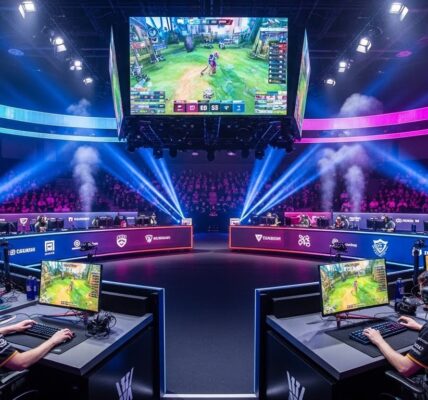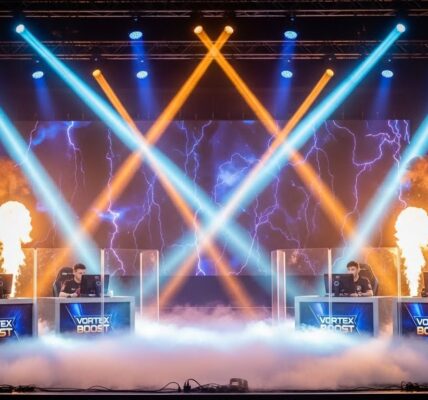


Esports, short for electronic sports, has transformed from a niche hobby into a global phenomenon that commands millions of viewers and participants worldwide. What began as casual gaming competitions among friends has evolved into a multi-billion-dollar industry, reshaping entertainment, sports culture, and even career paths. This blog delves into the history, growth, impact, and future of esports, highlighting why it has become a defining feature of modern digital culture.
The Origins of Esports
The roots of esports can be traced back to the late 1970s and 1980s when early arcade competitions began attracting attention. One of the first known video game competitions was held in 1972 at Stanford University, where students competed in the game “Spacewar!” These events were informal, but they planted the seed for competitive gaming.
By the 1980s, arcade culture exploded, and competitions became more organized. Games like Pac-Man and Donkey Kong attracted large audiences in arcades, creating the first generation of competitive gamers. In the 1990s, the rise of personal computers and networked gaming shifted competitions online. Titles such as Doom, Quake, and StarCraft introduced multiplayer gaming to a global audience, laying the foundation for professional esports tournaments.
The Rise of Professional Gaming
The 2000s marked a turning point for esports as professional leagues began to emerge. South Korea played a pivotal role in legitimizing esports with the rise of StarCraft as a competitive title. The country established professional leagues, television broadcasts, and sponsorship deals that mirrored traditional sports models. Players were no longer casual hobbyists; they became professional athletes with rigorous training schedules, salaries, and fan followings.
Other countries quickly followed. Europe and North America started hosting tournaments for games like Counter-Strike and Warcraft III. These events were increasingly broadcast online, allowing fans worldwide to follow their favorite players and teams. Esports began to shift from small-scale competitions to major entertainment spectacles.
Popular Esports Titles
Esports encompasses a wide variety of game genres, each with its own competitive scene and fan base. Multiplayer online battle arenas (MOBAs) like League of Legends and Dota 2 are among the most popular, offering strategic gameplay and large-scale tournaments. First-person shooters (FPS) such as Counter-Strike: Global Offensive and Call of Duty attract fans who enjoy fast-paced action and precision gameplay.
Battle royale games, including Fortnite and PUBG, have introduced a new style of competition, emphasizing survival and adaptability. Fighting games like Street Fighter and Tekken maintain a loyal following, particularly at events like EVO, which celebrates fighting game culture. Each of these genres offers unique opportunities for players to showcase skill, teamwork, and strategic thinking.
The Esports Ecosystem
The esports industry is supported by a complex ecosystem of players, teams, tournament organizers, sponsors, streaming platforms, and fans. Professional players train like athletes, often dedicating over ten hours a day to practice, strategy, and teamwork. Teams provide coaching, analytics, and management to ensure competitive success.
Tournament organizers, such as major game developers and independent leagues, create structured competitions with prize pools sometimes reaching millions of dollars. Sponsors recognize the marketing potential of esports, investing in branded content, advertising, and endorsements. Streaming platforms like Twitch, YouTube Gaming, and others allow fans to watch live matches, interact with players, and participate in fan communities. This ecosystem fuels the rapid growth and visibility of esports globally.
The Global Audience and Market
Esports has captivated a worldwide audience. Recent studies suggest that over 500 million people engage with esports content, either as viewers, players, or fans. Major tournaments, like the League of Legends World Championship and The International for Dota 2, attract millions of live viewers and generate massive online buzz.
The financial impact of esports is equally impressive. Sponsorship deals, advertising, ticket sales, and media rights contribute to a multi-billion-dollar industry. Many analysts predict continued growth as gaming culture integrates further into mainstream entertainment. The accessibility of online streaming platforms allows audiences from all corners of the world to participate, creating a truly global fan base.
Career Opportunities in Esports
Beyond professional gameplay, esports offers a variety of career paths. Players can pursue long-term careers as competitors, content creators, or influencers. Coaches, analysts, and team managers support player development and strategy. Event organizers, broadcast professionals, and marketing specialists manage tournaments, promotions, and sponsorship campaigns.
Educational institutions have also started offering esports programs, including scholarships and degree courses, preparing students for careers in this burgeoning industry. The rise of esports has demonstrated that digital skills, strategic thinking, and teamwork can translate into tangible career opportunities beyond traditional sports.
Challenges Facing Esports
Despite its growth, esports faces several challenges. One major concern is sustainability for professional players, as careers can be short due to physical strain, burnout, and rapidly changing games. Mental health has become a prominent issue, with organizations increasingly emphasizing wellness programs and support networks.
Another challenge is the need for standardized regulations. Unlike traditional sports, esports lacks unified governing bodies, resulting in inconsistent rules, tournament formats, and dispute resolution processes. Intellectual property rights, cheating, and match-fixing are also concerns that the industry must address to maintain credibility and integrity.
Additionally, inclusivity remains an ongoing challenge. While gaming is enjoyed by diverse audiences, competitive esports still struggles with gender representation and accessibility for marginalized communities. Industry leaders are actively working to create a more welcoming and equitable environment for all participants.
Esports and Technology
Technology plays a crucial role in the development of esports. High-speed internet, powerful gaming hardware, and advanced software enable real-time competition and streaming. Virtual reality (VR) and augmented reality (AR) are emerging as potential future platforms, offering immersive experiences for both players and audiences.
Artificial intelligence (AI) is also making an impact. AI-driven analytics help players and teams refine strategies, analyze opponents, and improve performance. Streaming platforms use AI to personalize content recommendations and moderate online communities. The continuous advancement of technology ensures that esports remains dynamic and engaging for a global audience.
Cultural Impact of Esports
Esports has transcended gaming to influence broader culture. It has become a symbol of digital innovation, teamwork, and competitive spirit. Major tournaments are celebrated as cultural events, with cosplay, fan art, and community activities enhancing the overall experience.
Esports also challenges traditional perceptions of sports and athletes. It demonstrates that skill, strategy, and dedication in digital environments deserve recognition alongside physical sports. The rise of esports celebrities, who command massive followings, reflects the growing legitimacy and influence of the industry.
Moreover, esports promotes inclusivity in new ways. Individuals from different countries, backgrounds, and abilities can compete on a level playing field, connecting through a shared passion for gaming. This global cultural exchange highlights the unifying power of digital competition.
The Future of Esports
The future of esports looks exceptionally promising. As technology continues to advance, the potential for immersive experiences, global tournaments, and innovative gameplay grows exponentially. Mobile gaming is emerging as a major driver, making esports accessible to a broader audience, particularly in regions where console or PC gaming may be less common.
Sustainability and professionalization are expected to improve, with better career management, health support, and regulatory frameworks. Partnerships with traditional sports leagues and media companies are likely to increase, further integrating esports into mainstream entertainment.
The next decade may also see esports expand beyond pure competition, blending with education, virtual events, and interactive experiences. The line between player, fan, and content creator may continue to blur, creating a dynamic, participatory digital culture that thrives on creativity and connection.
Conclusion
Esports has grown from humble beginnings into a global cultural and economic powerhouse. It combines technology, competition, entertainment, and community, redefining what it means to be an athlete and a fan in the digital age. With a passionate global audience, innovative gameplay, and expanding career opportunities, esports is poised to continue its meteoric rise.
As it evolves, esports will face challenges related to sustainability, inclusivity, and regulation, but its potential is undeniable. It is more than just gaming; it is a revolution in how people compete, collaborate, and connect in a digital world. For players, fans, and industry professionals alike, esports represents an exciting frontier of human creativity, skill, and imagination.