Digital Battlegrounds: How Esports Transformed Competitive Gaming Into a Global Phenomenon

Introduction: The Rise of a New Competitive Arena
Esports, once a niche pastime for passionate gamers, has rapidly evolved into one of the world’s most dynamic entertainment industries. Today, it stands shoulder-to-shoulder with traditional sports, attracting millions of viewers, securing massive sponsorship deals, and generating a cultural wave that spans continents. What was once seen as casual gaming has transformed into a professional pursuit, complete with structured leagues, world championships, dedicated training facilities, and global fanbases. This blog explores how esports reached this level of influence, how it operates behind the scenes, and why its future appears brighter than ever.
The Origins of Esports: From Arcades to Arenas
The story of esports begins with the earliest arcade competitions of the 1970s and 1980s. Simple games like Space Invaders and Pac-Man sparked competitive spirit among early gamers. By the 1990s, multiplayer PC games such as Doom, Quake, and StarCraft introduced new possibilities, enabling players to compete through LAN parties and early online networks.
What truly pushed esports forward, however, was the rise of broadband internet and online gaming communities in the early 2000s. Titles like Counter-Strike, Warcraft III, and Dota gained massive followings. These games reduced geographical barriers and built global communities that laid the groundwork for the industry we recognize today.
The Professionalization of Competitive Gaming
Esports took a dramatic leap when tournaments began offering substantial prize pools and structured formats. Leagues emerged with clearly defined schedules, coaching staffs, player contracts, and team branding. This transformation was driven by a growing audience, where millions tuned in to watch matches online through streaming platforms.
Professional players now train for hours each day, analyze gameplay footage, participate in team meetings, and maintain strict performance routines. Esports organizations support them with psychologists, nutritionists, fitness trainers, and strategy analysts. The perception of gaming shifted from hobby to profession, and esports athletes began earning respect similar to traditional sports players.
Popular Game Titles That Defined Esports
Different games have shaped the esports landscape, each contributing unique communities and competitive structures. These titles span multiple genres:
1. Multiplayer Online Battle Arenas
Games like Dota 2 and League of Legends dominate the MOBA category. Each match features strategic depth, teamwork, and rapid decision-making, making them ideal for spectators.
2. First-Person Shooters
Counter-Strike, Valorant, and Call of Duty deliver high-pressure, tactical gameplay. Their fast-paced action and suspenseful rounds keep viewers engaged from start to finish.
3. Battle Royale Games
Titles like Fortnite and Apex Legends introduced massive, chaotic matches where only one team or player survives. Their unpredictability fuels excitement and encourages creative gameplay.
4. Sports Simulation Games
FIFA and NBA 2K draw fans who enjoy virtual versions of traditional sports, bringing in players from communities familiar with real-world athletics.
These games have built loyal fanbases and created iconic moments that have pushed esports into mainstream recognition.
The Global Audience: A Community Without Borders
One of the greatest strengths of esports is its worldwide accessibility. Unlike traditional sports, which often require physical infrastructure, esports only needs a stable internet connection and a device capable of running the game. This inclusivity has allowed millions from every continent to participate as players, viewers, creators, or fans.
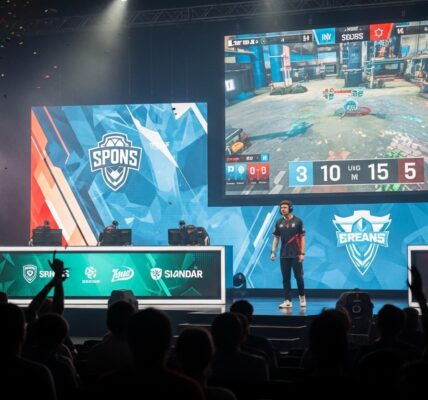
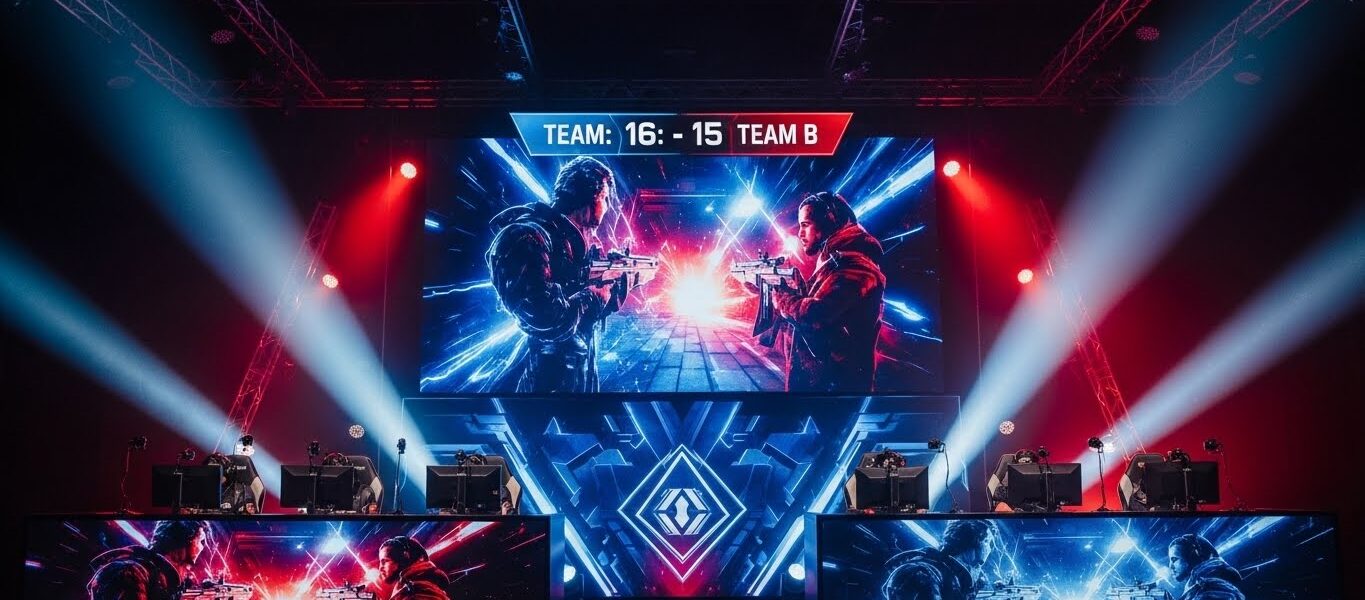
Major tournaments now attract viewership comparable to top traditional sporting events. Grand finals are watched by millions simultaneously, with crowds filling stadiums designed for football or basketball. These events blend entertainment, live commentary, dramatic lighting, and fan interaction, creating unforgettable experiences.
Streaming Platforms: The Heart of Esports Entertainment
The rapid growth of esports is inseparable from the rise of live-streaming platforms. These platforms turned gaming into a social experience. Fans can watch professional matches, follow their favorite streamers, interact with communities, and learn advanced techniques.
Streaming allowed many players to build personal brands beyond competitive events. Content creators have become influencers, entertainers, and ambassadors of the gaming world. This blend of competition and community entertainment has generated a cultural ecosystem that thrives year-round, not just during major tournaments.
Behind the Scenes: How Esports Teams Operate
Professional esports teams function much like traditional sports organizations. They often have multiple squads competing in different games, each with managers, analysts, and coaches.
Training Regimens
Players study strategies, practice mechanical skills, and scrimmage against rival teams. They review gameplay recordings to identify weaknesses and improve decision-making.
Team Coordination
Success in esports heavily relies on communication and synergy. Teams spend countless hours building trust and refining tactics to ensure smooth coordination during matches.
Branding and Marketing
Teams develop their own merchandise, social media presence, and sponsor partnerships. This branding helps build loyalty among global fans and sustains long-term growth.
The Economics of Esports: A Booming Industry
The financial ecosystem surrounding esports is expanding rapidly. Revenue comes from several sources, including sponsorships, merchandise, team branding, advertising, tournament prize pools, media rights, and live event ticket sales.
Large corporations now sponsor teams and events, recognizing the immense potential of gaming’s youth-driven audience. This support funds better facilities, technology, and opportunities for players. Prize pools for some tournaments reach millions, making esports financially competitive with major traditional sports.
Challenges Facing the Esports Industry
Despite its success, esports faces important challenges that must be addressed for long-term sustainability.
1. Player Burnout
Intense training schedules and constant travel can lead to physical and mental fatigue. Organizations are increasingly prioritizing wellness and work-life balance.
2. Stability of Game Titles
Esports rely on game publishers to maintain stable versions and support competitive scenes. Sudden game updates or loss of developer interest can disrupt entire esports ecosystems.
3. Cheating and Integrity Issues
Because matches occur digitally, cheating tools pose serious risks. Tournament organizers now use strict monitoring, anti-cheat systems, and professional oversight.
4. Inclusivity Barriers
Though open to all, esports still faces challenges regarding gender representation, access to resources, and safe online environments. Many efforts are underway to create more inclusive and supportive communities.
Esports in Education: Opportunities for Students
Schools and universities worldwide are recognizing the educational value of esports. Competitive gaming programs teach teamwork, critical thinking, communication, and leadership. Scholarships for esports athletes are becoming more common, giving talented students new pathways to higher education.
Programs often blend technology, media studies, and business, helping students understand the broader industry—not just the gameplay. This integration is helping legitimize esports in academic environments.
The Future of Esports: Bright, Bold, and Boundless
As technology continues evolving, so will the esports experience. Advancements like virtual reality, augmented reality, and haptic feedback may revolutionize how players compete and how fans engage with matches. Improved global internet infrastructure will make competitive gaming even more accessible, especially in developing regions.
Furthermore, as mainstream acceptance grows, esports may one day appear in global athletic events. The lines between gaming, entertainment, and sports are already blurring, and esports sits proudly at the center of this cultural shift.
Conclusion: A New Era of Competitive Expression
Esports has redefined what competition looks like in the digital age. It is not just about playing games—it is about teamwork, strategy, creativity, resilience, and global connection. What started as a hobby has become a thriving worldwide industry, drawing millions into a shared passion for digital competition.
As esports continues to evolve, it promises new opportunities, new communities, and new ways for individuals to showcase their talents. The digital battleground has only just begun to reveal its potential, and the world is watching with excitement.