
Introduction to Esports
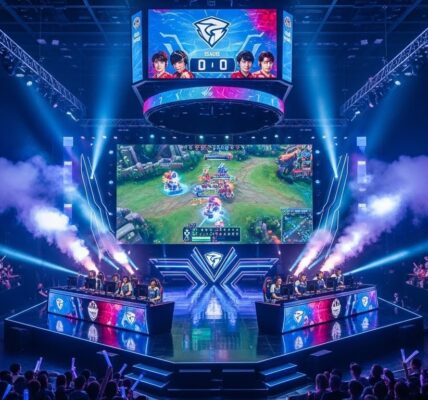
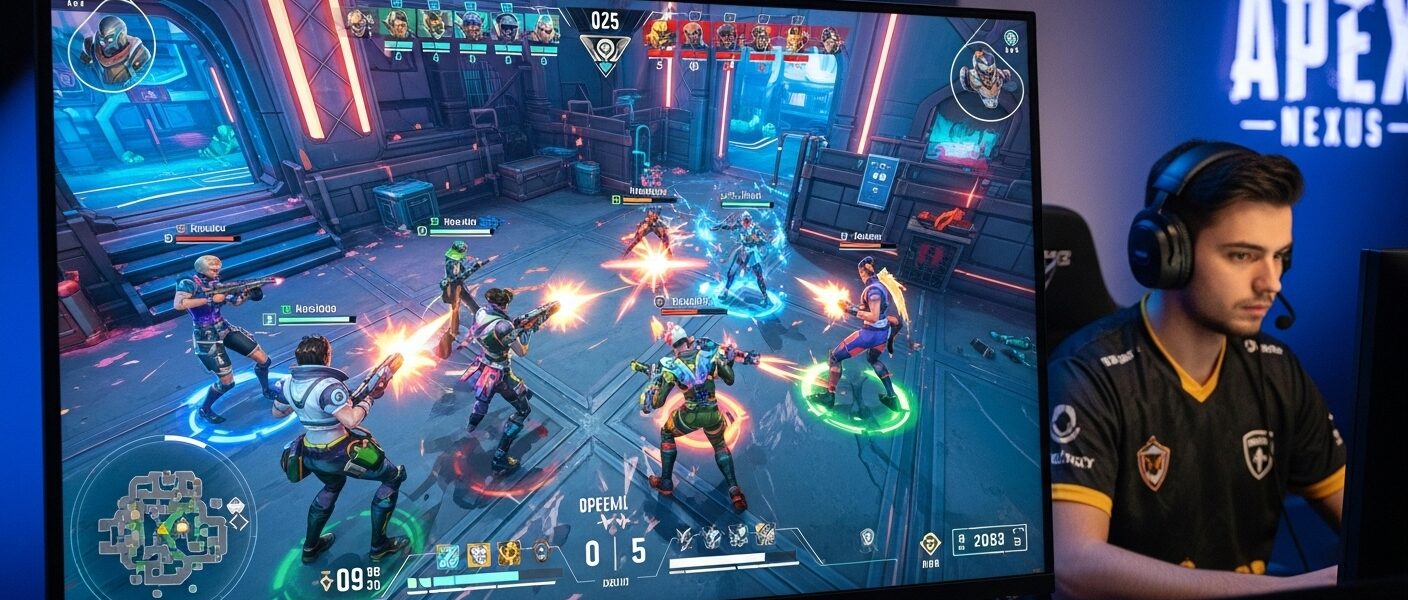
Esports, or electronic sports, refers to organized competitive gaming where individuals or teams face off in video games for entertainment, prestige, and often substantial financial rewards. What started as a niche hobby in the late twentieth century has evolved into one of the fastest-growing industries in the world. Today, esports tournaments fill arenas, attract millions of online viewers, and generate billions in revenue through sponsorships, streaming rights, and merchandise. The phenomenon of esports is not just about playing games—it represents a new form of entertainment, a digital culture, and a career path for many young people across the globe.
The Early History of Esports
The journey of esports began long before the internet era. The first recognized video game competition took place in 1972 at Stanford University, where players competed in the game Spacewar! for a year’s subscription to a magazine. In the 1980s, with the advent of arcade machines and consoles, gaming competitions became more common. Titles like Pac-Man and Donkey Kong sparked local and national tournaments. The 1990s brought significant progress as games like Street Fighter II, Quake, and StarCraft gave rise to competitive communities. South Korea, in particular, became a hub for professional gaming, with dedicated television channels broadcasting matches and government support nurturing the industry’s growth.
The Explosion of Online Gaming
The introduction of high-speed internet revolutionized gaming. Multiplayer games could now be played across continents, bringing together players from different cultures and skill levels. Titles like Counter-Strike, Dota, and League of Legends became the foundation of modern esports. Players could compete without being physically present, leading to the establishment of online tournaments, ranking systems, and professional teams. This shift also allowed game developers to engage with their audiences directly, regularly updating games and hosting events that kept the communities alive and competitive.
Major Games That Defined Esports
Several games have been instrumental in shaping esports into the massive industry it is today. League of Legends, developed by Riot Games, remains one of the most popular and competitive titles in the world. Its annual World Championship attracts millions of viewers and offers prize pools worth millions of dollars. Dota 2, another iconic title, is famous for The International, a tournament with some of the largest prize pools in esports history. Counter-Strike: Global Offensive (now evolved into Counter-Strike 2) has remained a cornerstone of first-person shooter esports, with a devoted fan base and professional scene spanning decades.
Other significant games include Overwatch, Fortnite, Valorant, PUBG, and Call of Duty. Each of these titles represents a different genre and audience, yet they share the same spirit of competition. Fighting games like Tekken, Mortal Kombat, and Super Smash Bros. also maintain strong communities with global tournaments. Sports simulation games like FIFA and NBA 2K bring traditional sports fans into the digital arena, bridging two worlds that were once separate.
The Growth of Esports Infrastructure
As esports gained popularity, its infrastructure evolved to support large-scale competitions. Professional teams now operate much like traditional sports organizations, with coaches, analysts, nutritionists, and mental health professionals. Gaming houses and training facilities provide players with high-end equipment, internet connections, and spaces to practice. Tournament organizers like ESL, DreamHack, and BLAST Premier have set new standards for production quality, delivering events that rival traditional sports broadcasts in terms of spectacle and professionalism.
Universities and colleges around the world have also begun offering esports scholarships, recognizing it as a legitimate field of study and competition. This educational integration helps develop talent pipelines, research gaming psychology, and promote responsible gaming habits among students. Governments in several countries have acknowledged esports as an official sport, enabling players to compete internationally with visas similar to those given to athletes.
The Esports Audience and Community
One of the most fascinating aspects of esports is its global and diverse audience. Fans are drawn not just to the games themselves but to the personalities of the players, the stories of underdog victories, and the shared excitement of real-time competition. Streaming platforms such as Twitch and YouTube Gaming have given rise to a new form of interaction, where fans can watch live matches, chat with others, and support their favorite players through donations and subscriptions.
The sense of community in esports is unlike anything else. It thrives on inclusivity and shared passion. Players from any country, regardless of language or background, can find a place in this ecosystem. Esports fandom extends to social media, fan art, discussion forums, and even cosplay at live events. The level of engagement between players, creators, and fans has made esports not just a competition but a culture in itself.
Esports and Traditional Sports: A Comparison
While esports may seem vastly different from traditional sports, the two share many similarities. Both require strategy, teamwork, mental focus, and discipline. Just like athletes, professional gamers train for hours each day, analyzing gameplay, studying opponents, and maintaining physical and mental health. However, there are distinct differences as well. Esports lacks the physical strain associated with traditional sports, yet demands exceptional reflexes, cognitive ability, and coordination.
Traditional sports organizations have also started to invest heavily in esports. Football clubs, basketball teams, and even Formula One brands have established their own esports divisions. This crossover not only broadens the appeal of both industries but also legitimizes esports as a form of professional competition. The boundaries between the two continue to blur, and many experts believe that esports will soon be integrated into major global sporting events.
Monetization and the Esports Economy
The esports economy is multifaceted and rapidly expanding. Revenue streams include sponsorships, advertising, media rights, merchandise sales, and in-game purchases. Sponsorship remains the largest source of income, with brands from technology, energy drinks, apparel, and even automotive sectors investing heavily in teams and events. Streaming rights have also become valuable assets, as platforms compete to secure exclusive broadcasting deals.
Prize pools are another major attraction. The International for Dota 2 often exceeds tens of millions of dollars, crowdfunded by the gaming community itself. This demonstrates the strong connection between developers and fans, as players directly contribute to the success of the tournaments they watch. Esports merchandise—jerseys, peripherals, and collectible items—adds another layer of commercial growth, helping teams build recognizable brands.
The Role of Technology in Esports
Technology is the backbone of esports. Advances in hardware, software, and internet infrastructure have made competitive gaming possible on a global scale. High-refresh-rate monitors, precision gaming mice, and ultra-low latency connections ensure that performance is consistent and fair. Game engines and streaming technology allow for cinematic broadcasts that rival live sports in visual appeal.
Virtual reality (VR) and augmented reality (AR) are now being explored as future frontiers in esports, offering immersive gameplay and spectator experiences. Cloud gaming and AI-driven analytics are reshaping how teams train and strategize. Artificial intelligence can analyze gameplay data to identify weaknesses, predict opponents’ moves, and even generate personalized training regimens for players.
Challenges Facing the Esports Industry
Despite its success, esports faces several challenges. One of the most significant issues is player burnout. Professional gamers often start their careers young and train intensely, which can lead to mental fatigue and health problems. Maintaining a sustainable lifestyle within such a demanding environment remains an ongoing discussion.
Another challenge is maintaining fairness and integrity. Cheating, match-fixing, and the use of unauthorized software have occasionally tarnished esports’ reputation. Developers and organizations continually work to implement better security and anti-cheat measures. Additionally, the lack of universal regulation can make it difficult to standardize rules and player rights across countries and games.
Representation and inclusivity are also key topics. While esports is open to everyone, women and minority groups remain underrepresented at the professional level. Encouraging diversity and providing safe, supportive environments for all players are essential for the industry’s continued growth.
The Global Impact of Esports
Esports has transcended entertainment—it has become a global movement. Countries like South Korea, China, and the United States have established themselves as esports powerhouses, while emerging regions such as Southeast Asia, the Middle East, and South America are rapidly building their competitive scenes. International tournaments bring together players from every corner of the world, fostering cross-cultural exchange and collaboration.
The economic impact is also significant. Esports events contribute to tourism, local economies, and job creation. Venues that once hosted concerts and traditional sports are now home to massive gaming tournaments. The rise of esports-related careers—ranging from event management and commentary to content creation and marketing—illustrates its growing influence on global employment trends.
The Role of Media and Content Creation
The esports ecosystem thrives on content. Beyond live tournaments, fans consume endless hours of highlights, documentaries, interviews, and behind-the-scenes footage. Streaming personalities have become celebrities, building personal brands that rival those of professional athletes. The connection between players and audiences through social media has transformed how fame and influence operate in the digital age.
Esports media has also developed its own journalism, covering news, analysis, and commentary on teams, leagues, and players. This professional coverage adds depth and legitimacy to the industry. With so much content being produced daily, esports has become not just a competition but a form of entertainment that extends beyond the games themselves.
The Future of Esports
The future of esports looks bright and boundless. As technology continues to evolve, the viewing experience will become even more immersive and interactive. Fans may one day use VR headsets to sit virtually courtside at tournaments or experience matches from the players’ perspectives. Esports could also be included in international multi-sport events, further blurring the line between digital and physical competition.
Youth engagement will continue to drive growth, as new generations are raised in a world where gaming is mainstream. Educational programs, youth leagues, and school-based competitions will nurture the next wave of professional players and industry leaders. Developers will keep experimenting with new game genres suitable for competition, ensuring that esports remains fresh and exciting.
Conclusion: Esports as the Digital Frontier of Entertainment
Esports is not just a passing trend—it is a revolution in entertainment and sports culture. It combines skill, technology, creativity, and community into an experience that resonates with millions worldwide. From humble beginnings in university labs and local arcades to global stadiums and multimillion-dollar tournaments, the journey of esports reflects the evolution of human connection in the digital era.
What makes esports so remarkable is its accessibility. Anyone with a computer, console, or mobile device can participate, watch, or contribute to the community. It has broken barriers of geography, language, and tradition, uniting people under a shared passion for competition and play. As it continues to grow, esports stands as a testament to how digital innovation can transform not only how we play but how we connect, celebrate, and define the future of global culture.