
Introduction: When Gaming Became a Global Stage
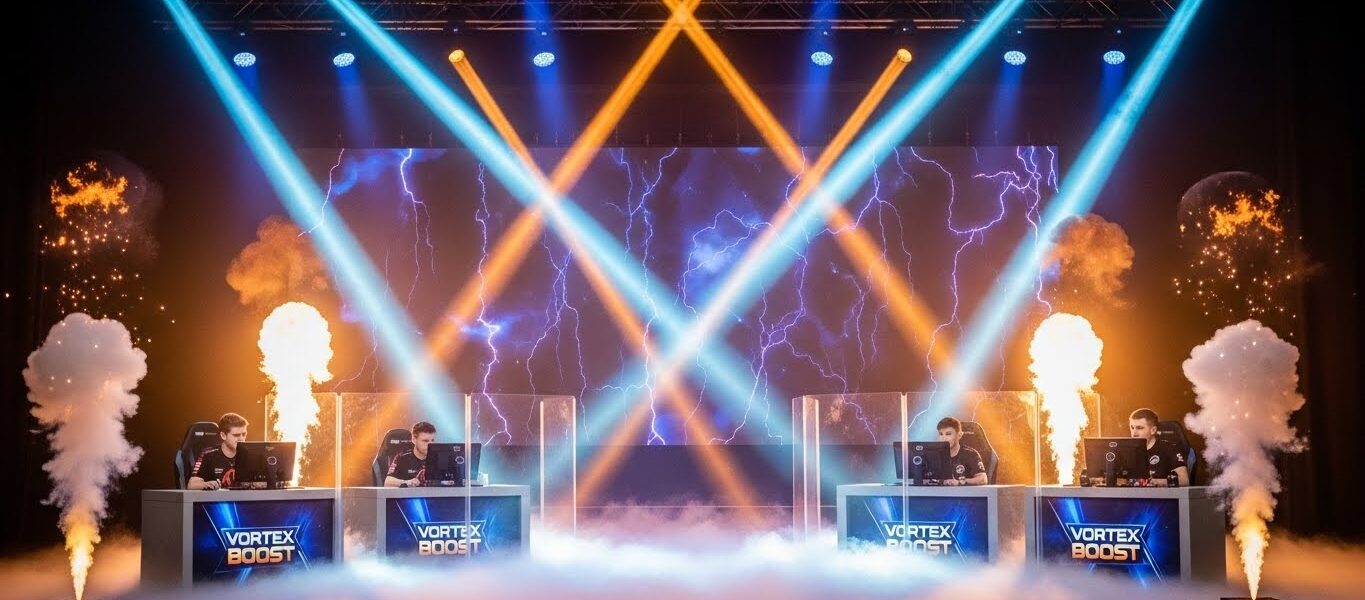
What once began as casual competition among friends has evolved into a global phenomenon that rivals traditional sports in scale, passion, and influence. Esports, or competitive video gaming, is no longer confined to bedrooms and internet cafés. It now fills massive arenas, attracts millions of online viewers, and generates careers that span playing, coaching, broadcasting, marketing, and event management. The esports industry represents a cultural shift in how competition, entertainment, and technology intersect, redefining what it means to be an athlete in the digital age.
Understanding Esports Beyond the Screen
At its core, esports refers to organized, competitive video gaming where individuals or teams face off in structured tournaments and leagues. These competitions span multiple genres, including multiplayer online battle arenas, first-person shooters, real-time strategy games, sports simulations, and fighting games. Each genre demands a different skill set, ranging from lightning-fast reflexes and mechanical precision to deep strategic thinking and team coordination. What sets esports apart is the blend of mental agility, technical mastery, and teamwork, all performed under intense pressure and in front of massive audiences.
The Evolution from Hobby to Industry
The journey of esports from niche hobby to mainstream industry has been gradual yet transformative. Early competitions were small-scale, often organized by gaming communities with minimal prize pools. As internet connectivity improved and streaming platforms emerged, competitive gaming gained unprecedented visibility. Viewers could now watch matches live, follow their favorite players, and engage with communities in real time. Sponsors and investors soon recognized the potential, leading to professional leagues, standardized rules, and significant financial backing. Today, esports is a structured ecosystem with teams, contracts, salaries, and global events.
The Players: Digital Athletes of a New Era
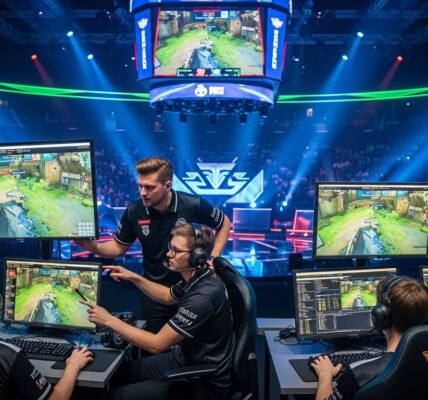
Professional esports players are often misunderstood as casual gamers who simply play for fun. In reality, they follow disciplined routines comparable to traditional athletes. Training can include several hours of practice daily, reviewing gameplay footage, studying opponents, refining strategies, and maintaining physical and mental health. Reaction time, decision-making under pressure, and communication are critical performance factors. Many teams also employ coaches, analysts, psychologists, and fitness trainers to ensure players perform at their peak. The dedication required highlights that esports excellence is earned, not accidental.
Teamwork, Strategy, and the Psychology of Winning
While individual skill is important, esports success often depends on teamwork and strategy. In team-based games, players must synchronize their actions, adapt to rapidly changing scenarios, and trust one another implicitly. A single mistake can shift the outcome of an entire match. This dynamic creates a psychological battlefield where confidence, focus, and resilience are just as important as technical ability. Teams that manage stress effectively and maintain strong internal communication often outperform mechanically superior opponents who lack cohesion.
The Role of Technology in Shaping Esports
Technology is the backbone of esports. High-performance gaming hardware, low-latency internet connections, advanced broadcasting tools, and sophisticated analytics software all contribute to the competitive environment. Innovations such as virtual reality, augmented reality, and artificial intelligence are beginning to influence how games are played, analyzed, and experienced by audiences. Data-driven insights allow teams to refine strategies, while enhanced production techniques make broadcasts more immersive. As technology continues to evolve, esports will likely become even more dynamic and accessible.
Esports as a Spectator Experience
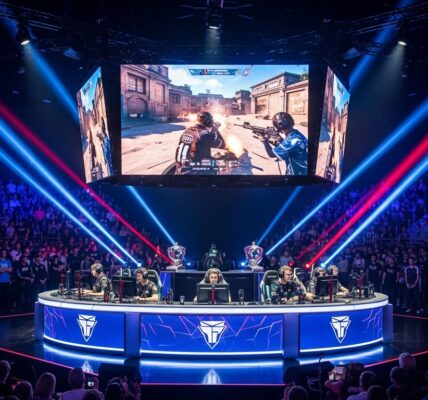
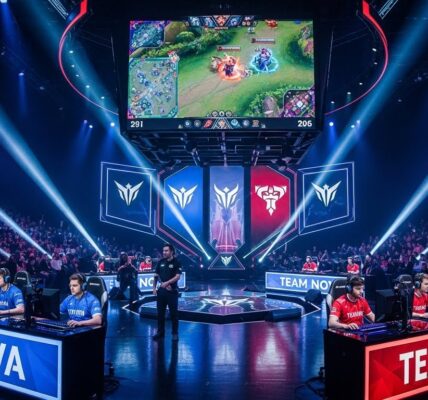
Watching esports is a unique form of entertainment that combines the excitement of live sports with the interactivity of digital media. Fans can watch matches, analyze plays, chat with other viewers, and support their favorite teams in real time. Commentators and analysts play a crucial role by explaining strategies, building narratives, and making complex gameplay understandable to newcomers. The result is an engaging experience that appeals to both hardcore fans and casual viewers, fostering a sense of global community.
Economic Impact and Career Opportunities
The esports ecosystem extends far beyond professional players. It supports a wide range of careers, including event organizers, shoutcasters, content creators, graphic designers, software developers, marketers, and journalists. Brands invest heavily in sponsorships and advertising, while cities benefit from hosting major tournaments that attract tourism and media attention. Educational institutions are also recognizing esports as a legitimate field, offering scholarships and academic programs focused on game design, management, and competitive play.
Challenges Facing the Esports Industry
Despite its rapid growth, esports faces several challenges. Player burnout is a significant concern, as intense schedules and constant pressure can impact mental health. The industry also grapples with issues such as fair play, cheating, and maintaining competitive integrity. Additionally, the lack of universal regulation across different games and regions can create inconsistencies. Addressing these challenges requires collaboration between developers, teams, organizers, and governing bodies to create sustainable and ethical competitive environments.
Inclusivity and Diversity in Competitive Gaming
Esports has the potential to be one of the most inclusive competitive spaces, as physical differences are less restrictive than in traditional sports. However, barriers still exist, including gender imbalance, harassment, and limited representation. Efforts to promote diversity and inclusivity are growing, with initiatives aimed at creating safer environments, supporting underrepresented groups, and encouraging broader participation. A more inclusive esports culture not only benefits players but also strengthens the community as a whole.
Esports and Traditional Sports: A Shared Future
Rather than competing with traditional sports, esports is increasingly complementing them. Many sports organizations have launched their own esports divisions, recognizing the opportunity to engage younger audiences. Shared values such as competition, teamwork, and fan loyalty create natural connections between the two worlds. As acceptance grows, collaborations between esports and traditional sports are likely to increase, further blurring the lines between physical and digital competition.
The Future of Esports: What Lies Ahead
The future of esports appears promising and expansive. Advancements in technology will continue to enhance gameplay and viewing experiences. New games and formats will emerge, keeping the competitive landscape fresh and exciting. As global connectivity improves, talent from diverse regions will gain access to professional opportunities, enriching the scene with new styles and strategies. Esports may also play a larger role in education, entertainment, and even social interaction, becoming a defining element of digital culture.
Conclusion: More Than Just a Game
Esports represents a powerful shift in how society views competition, skill, and entertainment. It is a testament to the creativity of game developers, the dedication of players, and the passion of fans worldwide. Far from being a passing trend, esports has established itself as a lasting industry with cultural, economic, and social significance. As it continues to grow and evolve, esports will not only redefine gaming but also reshape the future of global competition in the digital age.