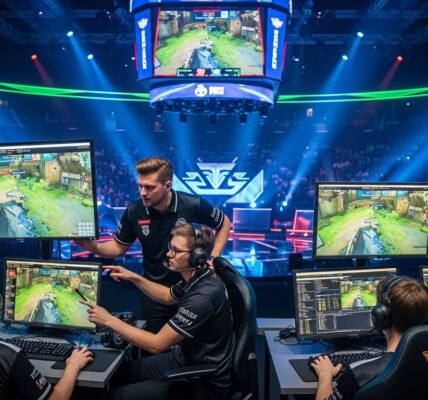


Esports, short for electronic sports, has evolved from a niche hobby into a multi-billion-dollar global industry. Once considered a subculture by many, esports now draws millions of viewers, professional players, and sponsors from around the world. Whether it’s competitive gaming tournaments, streaming on platforms like Twitch, or the explosive rise of esports betting, the impact of esports is undeniable. In this blog post, we will explore the rise of esports, its significance in the world of entertainment, the key players involved, and its bright future.
The Genesis of Esports: From Casual Gaming to Professional Competition
Esports traces its roots back to the early days of gaming. The 1990s saw the advent of online multiplayer games, and with them, a budding interest in competitive play. Titles like Quake and StarCraft allowed players to face off against each other in online matches. Early tournaments were grassroots efforts, usually organized by gaming communities or companies. One of the first major esports events was the Red Annihilation Tournament in 1997, which saw professional players compete in Quake.
In the 2000s, the growth of broadband internet access enabled players from across the world to compete in real-time. The launch of platforms like Battle.net and Steam allowed competitive games to flourish in ways that were previously impossible. The true turning point, however, came with the rise of games like League of Legends and Dota 2, which brought large-scale, professional competitions to the forefront of gaming culture. With the advent of these games, esports began to attract sponsorships, media coverage, and global audiences.
The Structure of Esports: Tournaments, Leagues, and Teams
Esports has a unique structure that mirrors traditional sports in many ways. Major tournaments, often held annually or semi-annually, are the heart of the competitive scene. These events feature the best players from around the world, competing for massive prize pools and global recognition. Some of the most prominent esports tournaments include The International (Dota 2), The League of Legends World Championship, CS:GO Major Championships, and Overwatch League.
In addition to one-off tournaments, many esports titles also have professional leagues. For example, League of Legends has the League of Legends Championship Series (LCS), while Overwatch has its Overwatch League (OWL). These leagues operate much like traditional sports leagues, with franchises and teams competing over the course of a season. Teams in these leagues are made up of the best players from around the globe, and they train rigorously to refine their strategies, teamwork, and individual skills.
Teams play a critical role in esports, as they serve as the foundation for competitive play. Just like traditional sports teams, esports organizations have managers, coaches, analysts, and support staff to help players perform at their best. Some of the most well-known esports organizations include T1, Cloud9, Fnatic, and Team Liquid. These teams have built reputations not only for their exceptional talent but also for their strategic approach to the game, marketing, and fan engagement.
The Players: From Gamers to Global Icons
At the heart of every esports tournament are the players themselves. These individuals dedicate countless hours to mastering their craft, often playing games for eight or more hours a day. While it may seem like an unlikely path to fame, esports players have become some of the most recognizable names in the gaming world.
Players like Faker (Lee Sang-hyeok), one of the greatest League of Legends players of all time, and Dendi (Danil Ishutin), a legend in Dota 2, have reached celebrity status. They are followed by millions of fans on social media, have lucrative sponsorships with major brands, and often appear in commercials and media interviews. In many ways, esports players are akin to traditional athletes, albeit in a digital arena.
While their fame is often linked to their performance in tournaments, many players also stream their gameplay on platforms like Twitch, which allows them to interact directly with their fans. This creates a deeper bond between players and their audience, transforming them into digital celebrities. Players can generate revenue not only through tournament winnings but also from sponsorships, merchandise sales, and donations from their fans.
The Role of Technology in the Esports Ecosystem
Esports would not be what it is today without the rapid advancements in technology. From powerful gaming computers and high-speed internet connections to state-of-the-art broadcast equipment, the technology behind esports is vital to its growth.
First and foremost, high-performance gaming hardware plays a crucial role in competitive gaming. In most major esports titles, even the smallest performance discrepancy can mean the difference between victory and defeat. As a result, esports athletes need cutting-edge PCs, graphics cards, and peripherals to ensure they perform at the highest level. Companies like NVIDIA, Intel, and Razer have capitalized on this demand, sponsoring players and tournaments while selling specialized products for competitive gamers.
In addition to hardware, streaming platforms like Twitch and YouTube Gaming have transformed how esports content is consumed. These platforms provide a direct connection between players and their fans, allowing them to watch live tournaments, support their favorite teams, and engage with the broader gaming community. The ability to stream esports events to a global audience has allowed even the most obscure games to gain traction and build substantial followings.
Broadcasting technology has also improved to accommodate the complex needs of esports. In-game data, player statistics, and live commentary all contribute to the viewer experience. Advanced graphics, real-time analytics, and interactive elements make esports broadcasts highly engaging and informative, drawing in both hardcore fans and casual viewers alike.
The Business of Esports: Sponsorships, Media Rights, and Advertising
Esports has transformed into a billion-dollar industry, thanks in large part to its ever-expanding business opportunities. Corporate sponsorships, media rights, and advertising have become essential components of the esports ecosystem. Major brands like Coca-Cola, Intel, and Nike now invest heavily in esports, both through sponsorships and partnerships with teams, players, and tournaments.
Sponsorship deals are a major revenue stream for esports organizations and tournaments. Companies pay significant amounts of money to have their logos displayed during tournaments, on players’ jerseys, and in various advertising placements. These deals are not limited to just large companies; even smaller brands are looking to capitalize on the growing popularity of esports.
Another lucrative aspect of the esports business is media rights. With millions of viewers watching esports events online and on television, broadcasting rights have become a valuable commodity. Platforms like ESPN, YouTube, and Twitch have struck multi-million-dollar deals to air esports events, bringing the sport to a wider audience. This growing media presence has led to greater recognition and acceptance of esports as a legitimate form of entertainment.
In-game advertising has also become a staple of esports. Brands can place advertisements within popular titles, providing seamless integration of products into the gameplay experience. This method of advertising not only engages players but also reaches a massive audience during live streams and broadcasts.
The Future of Esports: Expansion, Innovation, and Global Growth
The future of esports looks incredibly promising, with continued growth expected across several areas. One of the most exciting aspects is the increasing global reach of esports. While traditionally dominated by regions like North America, Europe, and East Asia, esports is now expanding into new markets, including Latin America, the Middle East, and Southeast Asia. As internet infrastructure improves worldwide, more countries are able to participate in competitive gaming, bringing a diverse range of players and audiences to the global stage.
Virtual reality (VR) and augmented reality (AR) also hold immense potential for the future of esports. While VR esports is still in its early stages, it could revolutionize the way players compete and how spectators experience games. Imagine watching an esports tournament in VR, where you can view the action from a player’s perspective or sit courtside for a front-row experience.
The development of mobile esports is another area to watch. With the increasing power of smartphones, games like PUBG Mobile and Free Fire have become major contenders in the esports space, with professional leagues and tournaments dedicated to mobile gaming. As mobile technology continues to improve, mobile esports may rival traditional PC and console gaming in terms of viewership and prize money.
Finally, the rise of esports betting is a phenomenon that cannot be ignored. As esports attracts more mainstream attention, betting platforms are beginning to offer odds on tournaments and matches, providing fans with new ways to engage with the games they love. While this presents certain challenges in terms of regulation and integrity, it also represents a new revenue stream for the industry.
Conclusion: Esports as the Future of Competitive Entertainment
Esports is no longer just a pastime for enthusiasts—it’s a cultural and economic force that is shaping the future of entertainment. With its impressive growth, rising viewership, and expanding opportunities for players, teams, and brands, esports is on track to become as mainstream as traditional sports.
As technology continues to evolve and more people around the world gain access to the digital tools needed to compete, the esports industry will only continue to flourish. Whether you’re a gamer, a fan, or a business looking to enter the space, one thing is clear: esports is here to stay, and its future is brighter than ever before.