
Introduction: The Digital Age of Competition
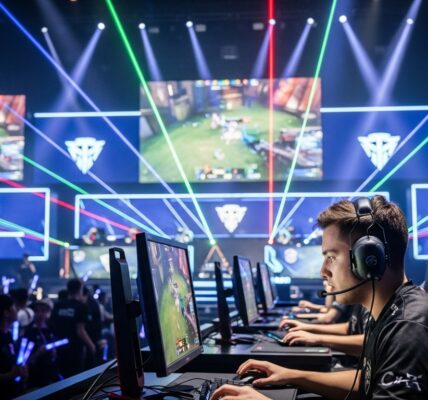
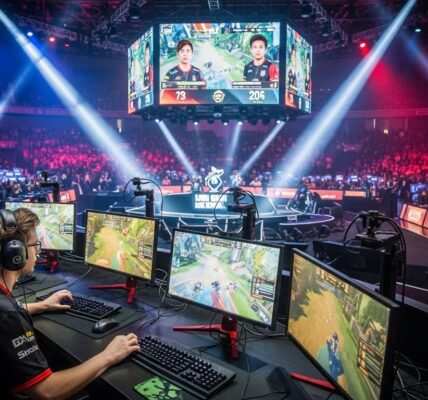
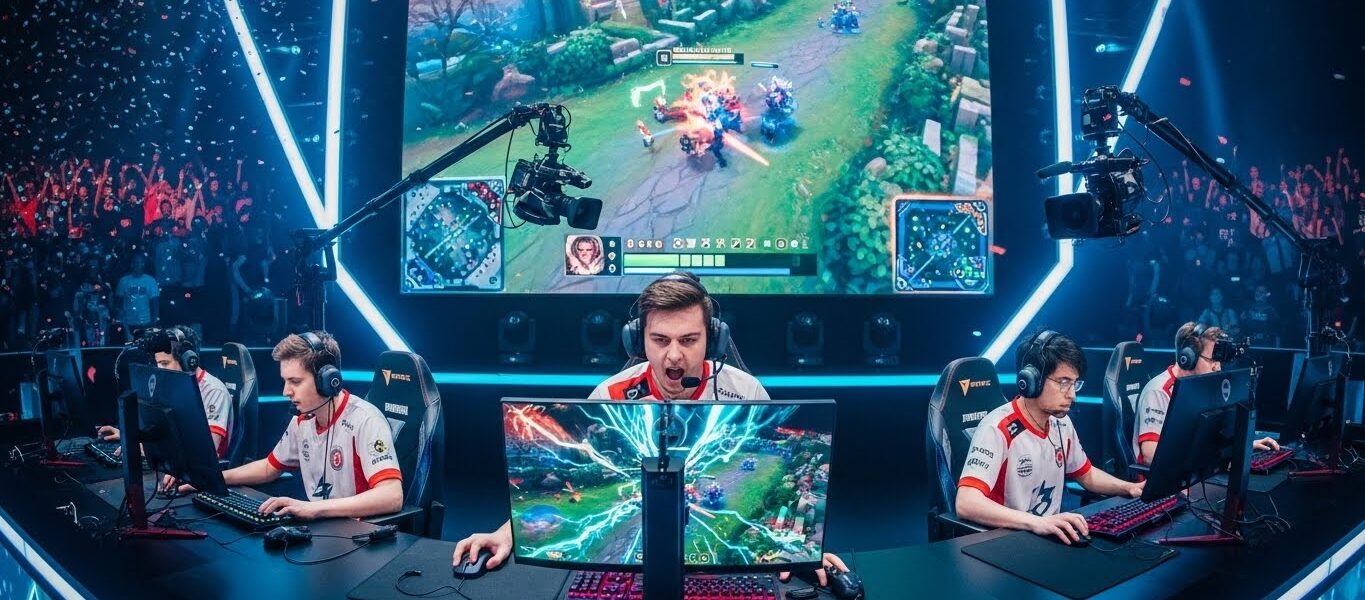
Esports has emerged as one of the most influential cultural phenomena of the 21st century. What began as casual gaming among friends has transformed into a multi-billion-dollar industry, attracting millions of viewers worldwide and creating professional careers for players, coaches, and analysts alike. The term esports, short for electronic sports, refers to competitive video gaming at a professional level. Today, esports is more than just a hobby—it is a form of entertainment, a business, and a cultural movement that has reshaped how people perceive competition and gaming.
The History and Evolution of Esports
Competitive gaming has roots that trace back decades. In the 1970s and 1980s, arcade tournaments were among the first forms of organized gaming competitions. Games like Space Invaders and Pac-Man laid the groundwork for competitive gaming, while fighting games such as Street Fighter II brought a new level of skill and strategy to tournaments. The evolution of the internet in the 1990s transformed gaming into a global pastime. Online multiplayer games like StarCraft, Counter-Strike, and Warcraft III introduced competitive play on a larger scale, allowing players from different regions to compete against each other.
The 2000s saw the rise of streaming platforms, which enabled audiences to watch matches live and interact with players in real-time. Professional leagues and tournaments began offering substantial prize pools, making gaming a viable career option for talented individuals. Today, games like League of Legends, Dota 2, Fortnite, and Call of Duty dominate the esports scene, drawing millions of viewers for each tournament.
Structure and Organization of Esports
Modern esports has developed a professional structure that mirrors traditional sports. Professional teams recruit players based on skill and potential, and players often train intensively for hours each day. Training routines involve not just gameplay but also strategic planning, teamwork, communication, and physical conditioning. Coaches, analysts, and psychologists work alongside players to ensure peak performance, demonstrating that esports demands discipline and mental resilience.
Tournaments and leagues are organized around popular games and feature varying levels of competition. Some events are open to amateur players, while others are invitation-only and showcase the world’s best competitors. The organization of esports into structured leagues has helped legitimize it as a professional pursuit, attracting sponsorships, media coverage, and a global fanbase.
The Global Audience of Esports
One of the most remarkable aspects of esports is its worldwide reach. Unlike traditional sports, which may be limited by geography, esports connects players and viewers from every corner of the globe. Major tournaments draw millions of live viewers online, with fans from Asia, Europe, North America, and other regions tuning in to watch their favorite teams and players compete.
Esports audiences are diverse, consisting of both men and women across various age groups. The stereotype of esports as a male-dominated field is increasingly outdated, with women making up a growing portion of both players and viewers. Additionally, esports has cultivated a sense of community, allowing fans to connect through live chats, forums, and social media. This interactive experience sets esports apart from traditional forms of entertainment, fostering engagement and loyalty among its audience.
Economic Impact of Esports
Esports has become a significant economic force, generating billions of dollars in revenue worldwide. The industry’s income comes from multiple sources, including sponsorships, media rights, merchandise sales, ticket sales, and in-game purchases. Major corporations from technology, energy drinks, and fashion industries sponsor tournaments and teams, demonstrating the commercial potential of esports.
Professional players can earn substantial incomes through tournament winnings, streaming revenue, and endorsements, sometimes exceeding earnings in traditional sports. Cities that host major tournaments benefit economically as well, with increased tourism, hospitality, and local business activity. Educational institutions are also recognizing esports as a legitimate career path, offering scholarships and academic programs tailored to gaming and related industries.
Challenges Facing the Esports Industry
Despite its rapid growth, esports faces several challenges. Player burnout is a significant concern, as professional gamers often train for 8 to 12 hours a day. The intense schedule can lead to physical injuries, sleep deprivation, and mental health issues. Organizations are increasingly implementing wellness programs and structured training schedules to address these challenges and ensure sustainable careers for players.
Another challenge is the lack of standardized regulation. Esports is still a young industry, and issues such as player contracts, cheating, and tournament governance are not universally regulated. Additionally, public perception of esports as a legitimate sport is still evolving, and the industry continues to combat stereotypes that diminish its professionalism and cultural significance.
Cultural Influence of Esports
Esports has had a profound impact on global culture. It has influenced fashion, music, and media, with gaming personalities becoming cultural icons. The rise of streaming platforms has allowed esports players to connect with fans in unprecedented ways, building communities that extend beyond the games themselves.
Esports also promotes inclusivity and accessibility. Unlike traditional sports, which may be limited by physical ability or geography, esports provides a platform where anyone with access to technology can participate and compete. This inclusivity has broadened the appeal of esports and created opportunities for people who may not have engaged with conventional sports.
Educational Opportunities in Esports
The relationship between education and esports is expanding rapidly. Universities worldwide are establishing esports programs that offer courses in game design, management, and digital media. Some institutions provide scholarships to talented players, treating competitive gaming as a legitimate athletic pursuit.
Participation in esports can also teach valuable skills. Strategic thinking, teamwork, leadership, and problem-solving are all essential components of competitive gaming. Students involved in esports often develop transferable skills that benefit them in professional careers, from communication and collaboration to time management and analytical thinking.
The Future of Esports
The future of esports is bright and full of possibilities. Technological innovations such as virtual reality, augmented reality, and artificial intelligence are poised to revolutionize gameplay and the spectator experience. VR esports tournaments and AI-powered coaching tools could reshape how players train, strategize, and compete.
Esports is also becoming increasingly integrated with mainstream media, with television networks and entertainment platforms recognizing its growing audience. The potential for cross-industry collaborations, including films, music, and merchandise, is vast. As esports continues to gain cultural legitimacy, it will influence industries beyond gaming, shaping the way people consume entertainment and engage with digital content.
Conclusion: Esports as a Cultural and Economic Force
Esports is far more than just playing video games; it is a global phenomenon that bridges culture, technology, and competition. From its origins in arcades to modern stadium-filling tournaments, esports represents the evolution of entertainment and sports in the digital age. It creates economic opportunities, fosters global communities, and develops skills that extend beyond gaming.
As the industry continues to expand, esports will further shape cultural trends, educational pathways, and professional opportunities. It demonstrates the power of digital platforms to create new forms of human connection and achievement. Beyond the screen, esports is a revolutionary force that is redefining competition, entertainment, and the very way we experience games.