
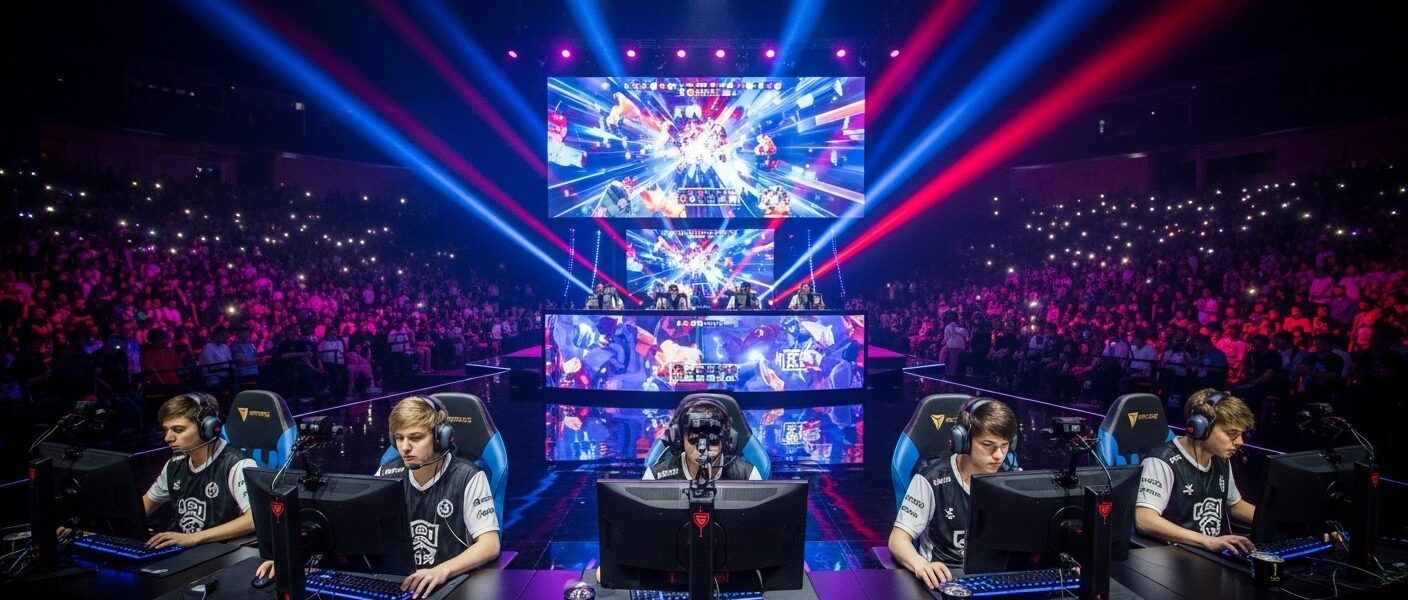

In the past two decades, competitive gaming has transformed from a niche hobby into a global phenomenon. Esports, short for electronic sports, has redefined the concept of sports, entertainment, and competition. No longer confined to the bedrooms of passionate gamers, it has become a mainstream cultural force, attracting millions of viewers, professional players, and sponsors worldwide.
Esports is more than just a pastime; it is a professional industry, an arena for strategic thinking, reflex-driven skill, and teamwork. With organized tournaments, massive prize pools, and international fanbases, Esports has evolved into a legitimate career path and a cultural phenomenon rivaling traditional sports in popularity.
Understanding Esports: What It Really Means
Esports refers to competitive, organized video gaming. Unlike casual gaming, Esports involves professional players, structured leagues, and live tournaments. The games themselves cover various genres, from first-person shooters to multiplayer online battle arenas and real-time strategy games. Titles like League of Legends, Dota 2, Counter-Strike: Global Offensive, and Fortnite have become household names in the Esports community.
The foundation of Esports lies in its competitive nature. Players train rigorously, often for several hours a day, to refine their strategies, coordination, and reflexes. Teams are formed, coached, and managed professionally, creating an ecosystem similar to traditional sports leagues.
The Evolution of Competitive Gaming
Competitive gaming has a rich history dating back to the early 1980s. The first notable tournaments were simple affairs, often held in arcades, where players competed for high scores or small prizes. The 1990s saw the rise of LAN parties and networked competitions, especially with the popularity of games like StarCraft and Quake.
However, the true turning point for Esports came in the 2000s, with the advent of high-speed internet, streaming platforms, and dedicated gaming communities. Online play enabled gamers from different parts of the world to compete against each other, laying the groundwork for the international tournaments we see today. Games like Counter-Strike, Warcraft III, and Halo became the first major Esports titles, attracting both players and viewers.
By the 2010s, Esports began to gain mainstream attention. Major corporations recognized the marketing potential, sponsorship deals increased, and tournaments were broadcasted on television and online platforms. Today, Esports tournaments fill stadiums, are covered by professional media, and draw audiences comparable to traditional sports events.
Popular Esports Genres and Games
Esports is incredibly diverse, encompassing various game genres, each requiring unique skills and strategies. Understanding the primary categories provides insight into why Esports has such wide appeal.
Multiplayer Online Battle Arena (MOBA)
MOBA games like League of Legends and Dota 2 are among the most popular Esports titles. These games involve two teams of players working to destroy each other’s base while defending their own. Success requires strategy, communication, and quick decision-making. Professional players spend countless hours mastering hero abilities, map control, and team coordination.
First-Person Shooters (FPS)
FPS games such as Counter-Strike: Global Offensive, Call of Duty, and Valorant focus on precision aiming, reflexes, and teamwork. Players compete in high-stakes matches to eliminate opponents and complete objectives. FPS games are known for their fast-paced action, split-second decision-making, and intense training routines.
Real-Time Strategy (RTS)
RTS games like StarCraft II emphasize tactical planning and resource management. Players control armies, manage economies, and outmaneuver opponents strategically. RTS Esports tests both mental agility and multitasking, often resulting in nail-biting matches watched by millions.
Battle Royale
Battle Royale games, including Fortnite and Apex Legends, involve large groups of players competing to be the last one standing. These games combine strategy, resource management, and combat skills. The unpredictable nature of Battle Royale matches makes them thrilling to both play and watch.
Sports Simulation Games
Games like FIFA, NBA 2K, and Madden NFL allow players to simulate traditional sports competitively. While they differ from real-life sports physically, the strategies, teamwork, and skill levels required are comparable, offering a unique niche in the Esports ecosystem.
Esports as a Career
The rise of Esports has created a wide array of professional opportunities. Top players can earn substantial salaries, often supplemented by tournament winnings, sponsorship deals, and streaming revenue. Organizations recruit, train, and manage players as they would in traditional sports leagues, offering contracts, coaching, and support systems.
Beyond playing, Esports careers include roles such as coaches, analysts, commentators, event organizers, and content creators. Each role contributes to the thriving ecosystem of competitive gaming, highlighting that Esports is not just a hobby but a legitimate professional industry.
Training and Discipline in Esports
Professional Esports players adhere to strict training schedules similar to those of traditional athletes. Training includes technical skill improvement, strategy planning, team communication drills, and physical health maintenance. Many top players maintain exercise routines to enhance reflexes and mental focus.
Mental resilience is critical in Esports. The pressure to perform in tournaments, the scrutiny of fans, and the need for constant improvement can be intense. Players often work with psychologists to manage stress, maintain focus, and optimize performance under competitive conditions.
Esports Tournaments and Events
Esports tournaments are central to the industry, drawing massive audiences both online and offline. Major tournaments like The International (Dota 2), League of Legends World Championship, and Fortnite World Cup offer multi-million-dollar prize pools, showcasing the industry’s growth and financial impact.
Events are meticulously organized, with live broadcasts, commentary, and spectator experiences rivaling those of traditional sports. Fans can watch matches in stadiums or via streaming platforms, fostering community engagement and fan loyalty. The scale and professionalism of these events have legitimized Esports as a global competitive arena.
The Role of Streaming Platforms
Streaming platforms have been a game-changer for Esports. Platforms like Twitch, YouTube Gaming, and others allow players to broadcast their gameplay live to millions of viewers worldwide. These platforms not only enable fan engagement but also serve as revenue streams for players and organizations through subscriptions, donations, and advertising.
The interactive nature of streaming has enhanced the Esports experience. Fans can chat with players, provide feedback, and participate in live discussions, creating a unique sense of community. This direct connection between players and audiences is a key factor in Esports’ rapid growth.
Esports and Global Culture
Esports has transcended borders, becoming a global cultural phenomenon. Major tournaments attract participants from Asia, Europe, North America, and beyond, highlighting its international appeal. Countries like South Korea, China, and the United States are prominent hubs of Esports activity, each with unique gaming cultures and traditions.
Esports has also influenced mainstream entertainment, inspiring documentaries, movies, and television shows. It has become a point of pride and national representation, with countries competing in international tournaments as they would in traditional sports.
The Economics of Esports
Esports has evolved into a multi-billion-dollar industry. Revenue comes from multiple streams, including sponsorships, advertising, merchandise, ticket sales, and media rights. Top organizations generate substantial income, allowing them to invest in player development, training facilities, and global expansion.
Brands have recognized the marketing potential of Esports, with companies sponsoring players, teams, and events to reach a young, engaged, and tech-savvy audience. This financial ecosystem ensures continued growth and sustainability of the Esports industry.
Challenges Facing Esports
Despite its rapid rise, Esports faces several challenges. Mental health issues, including burnout and stress, are prevalent among professional players. Intense competition and long hours can lead to physical and psychological strain.
Additionally, the industry grapples with issues of inclusivity and representation. While efforts are being made to diversify player demographics, certain groups remain underrepresented. Esports organizations and communities are working to address these challenges through initiatives promoting equality, safety, and healthy competition.
The Future of Esports
The future of Esports looks incredibly promising. Technological advancements, including virtual reality and artificial intelligence, are expected to revolutionize gameplay, training, and fan interaction. Esports may integrate more deeply with traditional sports, creating hybrid experiences and expanding audience reach.
Moreover, educational institutions are increasingly recognizing Esports as a legitimate pursuit, offering scholarships, training programs, and degree courses. This institutional support strengthens Esports’ credibility as a professional and academic pathway.
Conclusion: More Than Just a Game
Esports is no longer a niche hobby—it is a global industry, a cultural phenomenon, and a legitimate career path. With its diverse genres, professional opportunities, and massive audience engagement, Esports has redefined the way we think about competition and entertainment.
From small arcade competitions to multi-million-dollar global tournaments, Esports has grown exponentially. Its impact on technology, culture, and society is undeniable, making it a significant player in the entertainment landscape. The rise of Esports signals that gaming is not just about fun—it is a serious, strategic, and highly competitive pursuit with a bright future ahead.