The Evolution and Impact of Esports: A Deep Dive Into the Competitive Gaming World

Introduction
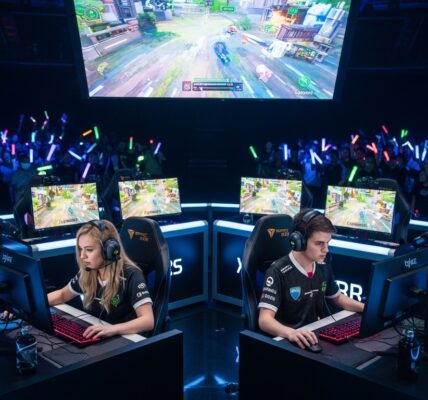
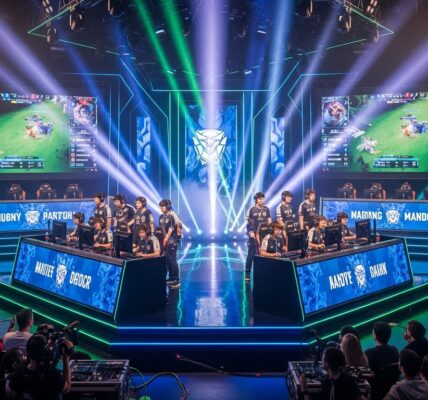
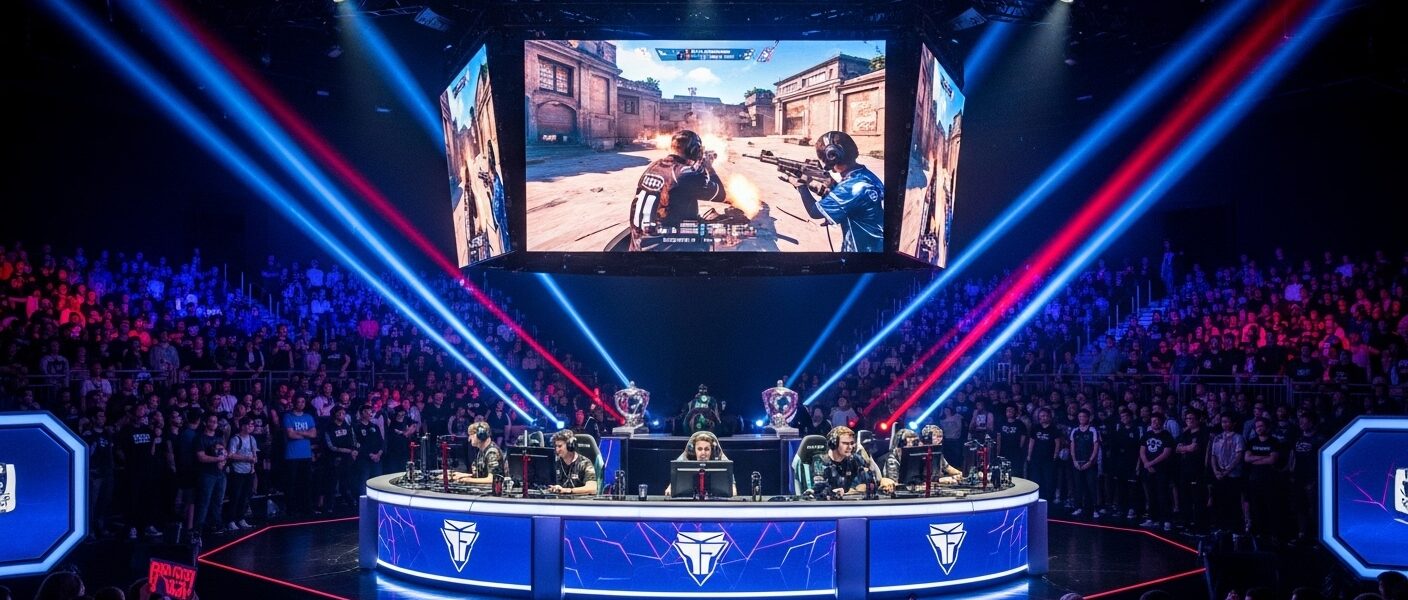
In the past few decades, esports has undergone a remarkable transformation from a niche hobby to a global phenomenon. Once considered a mere pastime for gamers, competitive gaming has blossomed into a multibillion-dollar industry with massive global followings, professional teams, and dedicated events that draw in millions of viewers. The rise of esports has been fueled by advancements in technology, the proliferation of internet connectivity, and the increasing recognition of gaming as a legitimate form of competition.
Today, esports is not just about playing games—it has become a cultural movement, with millions of fans, professional players, influencers, and sponsors, all contributing to its rapid growth. This blog post aims to explore the evolution, key components, and cultural impact of esports, offering insight into its influence on the world of entertainment, sports, and beyond.
The Early Beginnings of Esports
The roots of esports can be traced back to the early 1970s when competitive video gaming first emerged. The first known esports tournament was the Intergalactic Spacewar Olympics, held in 1972 at Stanford University. The competition revolved around a game called Spacewar, one of the earliest arcade games. While this was a small, local event, it marked the beginning of competitive gaming.
As technology evolved throughout the 1980s and 1990s, so did the potential for video games to be played competitively. The rise of arcade games, followed by home consoles and PCs, allowed gamers to connect and compete with one another in ways previously thought impossible. However, it wasn’t until the advent of the internet in the late 1990s and early 2000s that esports began to take its modern form.
In the late 1990s, games like StarCraft, Warcraft III, and Quake began to dominate the competitive gaming scene. These titles provided the foundation for the esports industry as we know it today, and competitive leagues started to form, primarily in South Korea, where gaming culture flourished.
The Explosion of Esports in the 2000s
The 2000s were a pivotal decade for esports, as they witnessed its explosive growth, particularly in Asia and North America. Esports tournaments became larger, more organized, and attracted bigger audiences. One of the first major milestones in this evolution was the creation of professional gaming leagues, which provided structure to competitive gaming and incentivized players to take gaming seriously as a profession.
The emergence of the World Cyber Games (WCG) and Electronic Sports World Cup (ESWC) during the early 2000s gave competitive gamers a global stage on which to compete. These tournaments were among the first to offer substantial prizes, drawing in players from around the world. At the same time, the internet made it possible for gamers to compete online, leading to the growth of esports communities and online tournaments that connected players from different countries and continents.
Esports really began to take off in South Korea, where the StarCraft franchise was particularly popular. The creation of the Korean Pro League (KPL) in the late 1990s and early 2000s helped establish a professional ecosystem for gaming. By the mid-2000s, competitive StarCraft had become a cultural phenomenon in South Korea, and players began to gain celebrity status. This laid the groundwork for esports to be recognized as a legitimate form of entertainment and competition on a global scale.
The Rise of Major Esports Titles
By the mid-2000s, several video game franchises had emerged as the cornerstone of competitive gaming. Games like Warcraft III, Counter-Strike, Dota, and League of Legends became central to the esports ecosystem. The success of these games would help define the competitive gaming landscape for the next decade and beyond.
League of Legends and the Birth of MOBAs
Released in 2009, League of Legends (LoL) quickly became one of the most popular and enduring esports titles in the world. Developed by Riot Games, LoL is a Multiplayer Online Battle Arena (MOBA) game that has captivated millions of players worldwide. Its competitive scene grew rapidly, with the first League of Legends World Championship held in 2011 in Jönköping, Sweden.
The MOBA genre, spearheaded by games like LoL, offered a level of strategic depth and teamwork that was unparalleled in esports at the time. The accessibility of LoL, its free-to-play model, and its high skill ceiling helped it become the center of the esports universe.
Dota 2 and the Emergence of Massive Prize Pools
Another key player in the esports scene is Dota 2, developed by Valve Corporation. Released in 2013, Dota 2 became a formidable rival to League of Legends in terms of both its competitive scene and its global audience. Dota 2‘s crowning achievement was the launch of The International, an annual tournament that began in 2011. What set The International apart was its enormous prize pool, which started at $1 million in 2011 but grew to an astronomical $40 million in 2018, making it one of the highest-paying esports tournaments in the world.
The emergence of these games transformed esports into a spectator sport, with millions of viewers tuning in to watch the action unfold. Esports organizations began to form around these titles, and players turned professional, signing contracts with sponsors and teams. It was clear that esports was no longer just a hobby—it was a business.
The Role of Streaming and Content Creation
As esports grew, so too did its media presence. The rise of platforms like Twitch and YouTube allowed gamers to stream their matches live and share their experiences with a global audience. This democratized esports content and allowed both professional players and casual streamers to build large followings.
Twitch, in particular, played a pivotal role in the growth of esports. Launched in 2011, the platform allowed gamers to broadcast their gameplay live to a worldwide audience. The popularity of esports tournaments on Twitch further fueled the demand for live broadcasts, and the platform quickly became the go-to destination for esports fans.
In addition to Twitch, YouTube has played a significant role in promoting esports. Professional tournaments and content creators use YouTube to upload highlights, analysis, and commentary. The platform’s massive reach allowed esports to penetrate mainstream media, increasing its visibility among a wider audience.
The Professionalization of Esports
As esports evolved, so did the professional structures surrounding it. Teams, sponsors, and organizations emerged, providing the necessary infrastructure for players to compete at the highest level. Esports teams became akin to traditional sports franchises, complete with dedicated coaches, analysts, and managers. Players began to sign multi-million dollar contracts, and sponsorship deals with major brands and tech companies further legitimized esports as a professional sport.
The development of esports leagues also mirrored that of traditional sports leagues. In North America, the creation of the League of Legends Championship Series (LCS) in 2013 provided a formalized structure for competitive play. This paved the way for the establishment of the Overwatch League (OWL) in 2018, the Call of Duty League (CDL), and other major professional leagues for games like Counter-Strike: Global Offensive and Fortnite.
The Global Impact of Esports
Esports has become a global industry, with tournaments held in cities across the world. Asia, North America, and Europe are the major hubs for competitive gaming, but esports has a significant presence in regions like Latin America, the Middle East, and Africa as well.
The accessibility of esports, particularly in developing countries, has made it a powerful cultural force. In places where traditional sports infrastructure may be lacking, esports offers an alternative avenue for youth to engage in competitive play and even turn professional. The rise of gaming cafes and internet cafes in places like Southeast Asia and Eastern Europe has further contributed to the global spread of esports culture.
Esports’ impact has also extended beyond gaming. Brands from various industries, including technology, automotive, fashion, and even traditional sports, have recognized the value of engaging with esports audiences. Sponsorships, partnerships, and cross-promotions have created an ecosystem where esports and traditional industries intersect.
The Future of Esports
As esports continues to grow, its future looks incredibly promising. With more mainstream recognition, increased investment, and a global fanbase, the industry is poised for even greater expansion. Virtual reality (VR) and augmented reality (AR) gaming are likely to play a significant role in the evolution of esports, offering new and exciting ways for players to compete and for fans to experience the action.
Additionally, the rise of mobile gaming presents new opportunities for esports to reach even broader audiences. Games like PUBG Mobile and Mobile Legends are gaining traction in regions where mobile devices are more accessible than traditional gaming consoles or PCs. This could lead to a new wave of esports competitions that cater to mobile gamers.
Esports is also beginning to make its way into mainstream sports arenas. The inclusion of esports in major events like the Asian Games and discussions around its potential inclusion in the Olympics show that esports is gaining recognition as a legitimate competitive pursuit.
Conclusion
Esports has evolved from a niche activity into a global, billion-dollar industry that continues to grow in popularity and influence. With its global reach, diverse range of games, and professional structure, esports has established itself as a legitimate form of competition and entertainment. The future of esports looks bright, with new technologies, platforms, and opportunities on the horizon.
As the industry continues to mature, it will undoubtedly face new challenges, from issues of sustainability to the regulation of competition. However, one thing is clear: esports is here to stay, and its impact on gaming, entertainment, and culture will continue to resonate for years to come.